


Description
Industrial Part D0156H524410001 | Automation Core Category
Dynamic Product Introduction
Sourcing specific replacement components for specialized industrial control loops often presents challenges when precise part numbers lack widespread public documentation. Honestly, the D0156H524410001 component fulfills precise architectural requirements within legacy or high-reliability automation cells, maintaining seamless system compatibility. This unit integrates directly into existing control chassis frameworks without requiring expensive panel rewrites (—though verifying your exact hardware revision level and pin configuration is vital). Compared to generic substitutes, utilizing the exact D0156H524410001 module preserves critical timing margins and signal integrity across demanding industrial processes.
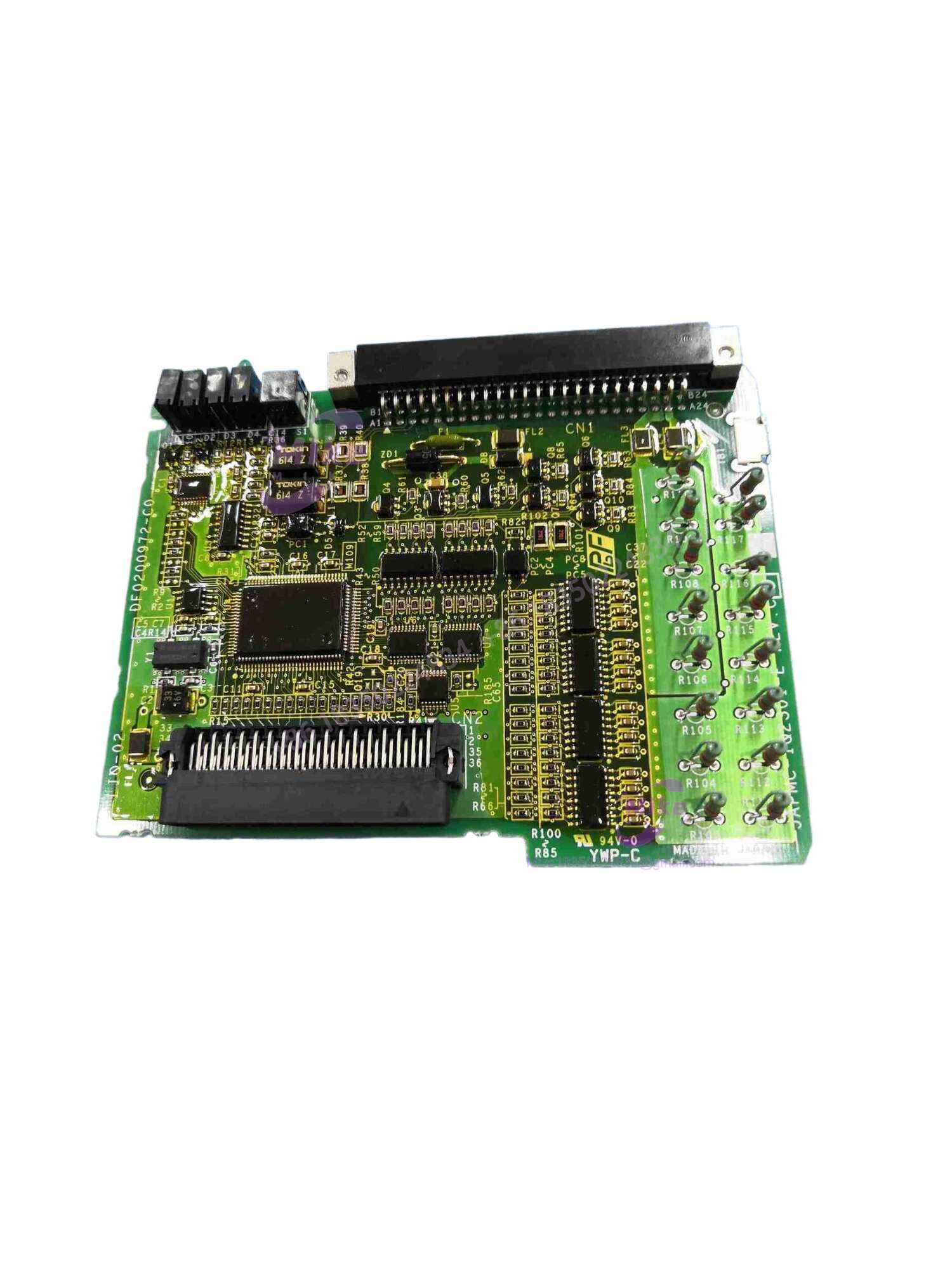
D0156H524410001
Key Technical Specifications
| Specification | Parameter Value |
| Component Designation | D0156H524410001 |
| Device Type | Industrial Control / Interface Assembly |
| Operating Environment | Factory automation & process control |
| Interface Type | Proprietary multi-pin industrial connection |
| Power Requirements | System-regulated DC rails |
| Operating Temperature | 0°C to 50°C industrial standard |
| Mounting Format | Rack, panel, or chassis slot configuration |
| Enclosure Rating | IP20 open-type industrial module |
| Compliance | Industrial CE / RoHS structural compliance |
| Diagnostics | Standard system status indicators |
Global Sourcing & Live-Test SOP (Transparency Core)
Acquiring specialized secondary-market industrial hardware requires strict validation to ensure internal circuit paths and connector pins remain completely uncompromised. For every inbound D0156H524410001 unit, our quality team logs tracking numbers against global OEM traceability sheets and performs high-magnification optical inspections on all solder joints and connection pins.
Once cleared, the unit is installed onto a calibrated test fixture mimicking the target operational environment. Technicians verify signal stability, measure voltage drop across active paths, and subject the assembly to a thermal burn-in cycle. The module is then cleaned, fitted with fresh desiccant, and sealed inside an anti-static moisture-barrier bag.
The Field Engineer’s Pitfall Guide
❗ Connector Pin Contamination: Forgetting to inspect and clean micro-debris or oxidation off connection pins prior to installation can cause intermittent signal drops or communication faults. Always check interface headers with a lighted scope.
❗ Electrostatic Discharge (ESD) Exposure: Handling sensitive circuit components without a certified grounded wrist strap can cause latent damage to internal logic gates. Always utilize an ESD-safe workstation during maintenance.
❗ Unconditioned Supply Rails: Supplying fluctuating or unshielded power to the module assembly risks data corruption or premature component wear. Always verify power source regulation before energizing the cabinet.
Intent-Driven FAQ
- Will I lose configuration data if I swap out part D0156H524410001?
System parameters generally reside in central controller memory or non-volatile storage, but you should always extract a system backup before replacing hardware.
- Is this component a direct plug-and-play replacement?
Yes, provided the exact part number and hardware revision suffix match your original bill of materials and wiring schematic.
- What type of warranty covers surplus industrial modules?
Verified secondary-market inventory includes a comprehensive 1-year operational warranty backed by our pre-shipment bench-test verification logs.
- Can I repair internal component faults on this unit myself?
Component-level repair is strongly discouraged due to specialized factory calibration; always rely on certified service centers for internal work.
- How do I verify if a replacement unit has been bench-tested?
Look for serialized QA verification stickers, clean connector pins free of oxidation, and accompanying test reports included in the packaging.





