

Description
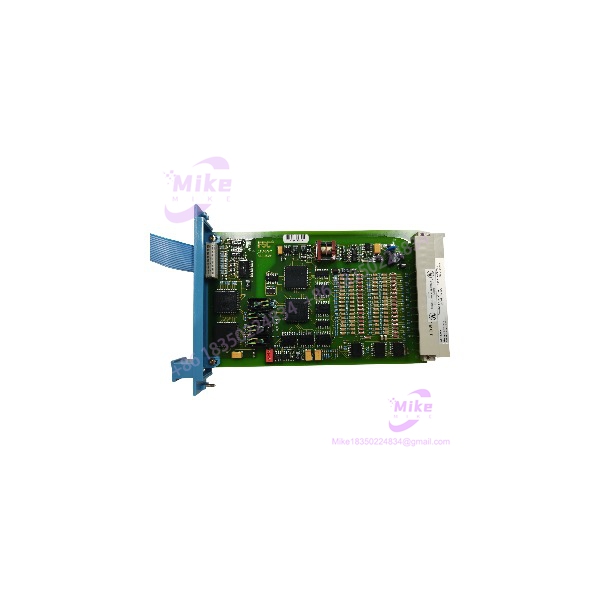
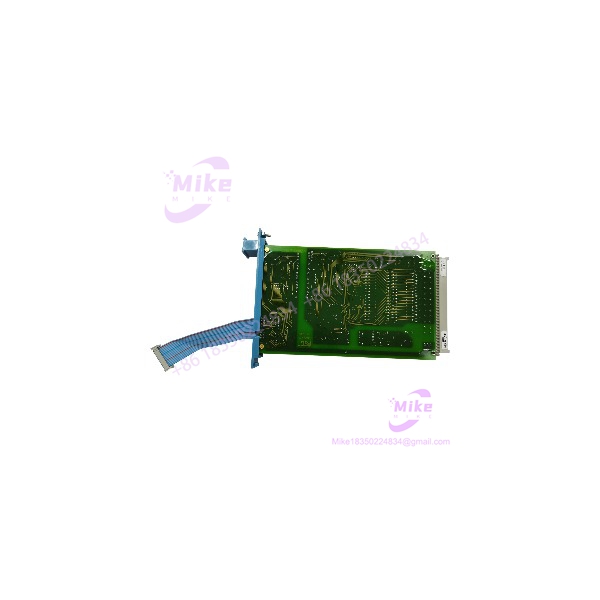
Honeywell SAI-1620M | Safety Manager Analog Input Module
Dynamic Product Introduction
When a process safety loop in a refinery or chemical processing plant trips due to a failing input card, instrumentation engineers cannot tolerate delayed diagnostics or unverified hardware replacements. Dropping in a certified, factory-tested unit like the Honeywell SAI-1620M allows maintenance teams to restore critical safety instrumented functions without compromising SIL3 loop integrity.
Designed specifically for high-availability Safety Manager architectures, this analog input module replaces aging monitoring hardware with rigorous dual-redundant signal processing. Featuring galvanic channel isolation and continuous self-testing diagnostics, it detects field wiring faults and internal drift before safety interlocks are compromised.
SAI-1620M
Key Technical Specifications
The operational parameters below outline the channel capacity, electrical isolation, and hardware ratings for the Honeywell SAI-1620M module:
- Number of Input Channels: 16 isolated analog input loops
- Supported Signal Ranges: Standard 0(4) to 20 mA industrial current loops
- Safety Integrity Level: Certified up to SIL3 (IEC 61508)
- Diagnostic Coverage: Continuous automatic hardware and loop self-testing
- Backplane Interface: Proprietary high-integrity Safety Manager bus
- Operating Voltage Range: Standard internal 24V DC safety system bus power
- Operating Temperature Range: 0°C to +60°C ambient environment
- Approximate Unit Weight: 0.95 kg
Global Sourcing & Live-Test SOP (Transparency Core)
Procuring surplus or replacement safety modules like the Honeywell SAI-1620M requires uncompromising quality control to ensure zero failure rates in hazardous industrial environments.
Inbound Verification
- Paperwork Tracing: Every incoming Honeywell SAI-1620M module is verified against original OEM production lots, customs documentation, and anti-counterfeit serial registries.
- Visual Inspection: The conformal-coated circuit board, edge connector pins, and safety isolation barriers are inspected under magnification for thermal stress or moisture damage.
Live Simulation
- Test Bench Powering: The module is mounted to an authentic Honeywell Safety Manager test rack and powered using regulated system voltages.
- Loop Current Simulation: Calibrated precision current sources inject exact 4–20 mA signals across all 16 channels to verify analog-to-digital conversion accuracy.
Diagnostics
- Fault Injection Testing: Open-circuit, short-circuit, and out-of-range fault conditions are simulated to confirm that internal diagnostic routines trip safety alarms instantly.
- Thermal Soak Run: The module undergoes a 24-hour burn-in run inside an environmental chamber at elevated temperatures to verify component stability under load.
Final Prep
- Memory & Firmware Verification: Internal diagnostic logs are cleared, firmware integrity is validated, and connector pins are cleaned.
- ESD Sealing: Enclosed in a heavy anti-static shielding bag with fresh desiccant packs before being secured in impact-resistant foam packaging.
The Field Engineer’s Pitfall Guide
Replacing a safety-critical module like the Honeywell SAI-1620M during an active plant turnaround requires strict adherence to safety protocols:
- ❗ Forgetting Fault-Reset Sequences: Simply replacing the physical module in a redundant safety rack without clearing master controller error logs can leave the channel in a locked-out tripped state. I’ve seen plant startups delayed for hours because technicians failed to execute the proper software diagnostic reset handshake in the Safety Builder software.
- ❗ Backplane Connector Pin Damage: Forcing the heavy-duty module into the safety chassis at an improper angle can bend vital backplane pins, compromising redundant communication paths. Always align the card carefully along the cabinet guide rails.
- ❗ Ignoring Termination Resistor Settings: Failing to verify terminal block wiring and loop power supplies can cause common-mode noise interference, triggering spurious safety shutdowns across adjacent process loops.
Intent-Driven FAQ
Q: Will replacing my faulty Honeywell SAI-1620M module disrupt my active Safety Manager configuration? A: No, standard safety configuration parameters are stored in the central controller and safety node memory rather than the input card itself, allowing a clean hardware swap as long as node addressing matches.
Q: Can the Honeywell SAI-1620M be used in redundant SIL3 safety loops? A: Yes, the SAI-1620M is engineered specifically for high-integrity Safety Manager architectures supporting redundant channel configurations up to SIL3 compliance.
Q: What input signal ranges does this safety module support? A: The module is designed to process standard industrial 0(4) to 20 mA analog current loop signals transmitted from safety transmitters and sensors.
Q: How do I verify that all 16 channels are communicating properly after installation? A: Log into the Honeywell Safety Builder engineering station and check the channel diagnostic status screen. Green status indicators across all active channels confirm normal analog conversion and loop integrity.
Q: Is it safe to insert or remove the Honeywell SAI-1620M while the safety chassis is powered? A: While some safety racks support hot-swapping under specific system authorization, standard engineering practice dictates isolating power or placing the affected safety loop into bypass mode before handling safety-critical hardware to prevent accidental process trips.