


Description
FANUC A16B-2203-0910 | R-30iA Controller PSU Board, In Stock
Architect’s Product Breakdown
The A16B-2203-0910 functions as a critical backbone energy converter inside FANUC robot controller cabinets. Stationed directly within the controller backplane rack, this power supply unit handles the primary conversion from factory distribution lines to stable, low-voltage direct current rails required by the main CPU board, safety interlocks, and I/O modules. System stability hinges entirely on this board’s capacity to suppress high-frequency noise and manage transient load shifts typical of aggressive multi-axis robotic movements.
When dealing with intermittent controller crashes, unexplained boot failures, or dropping 24V peripheral lines, this power supply is a primary diagnostic focal point. Replacing an aging unit requires careful handling of board-mounted connectors and verification of input voltage jumpers. Neglecting underlying cabinet heat issues or failing to clear dust buildup across the transformer core components drastically shortens the operational lifespan of replacement power boards.
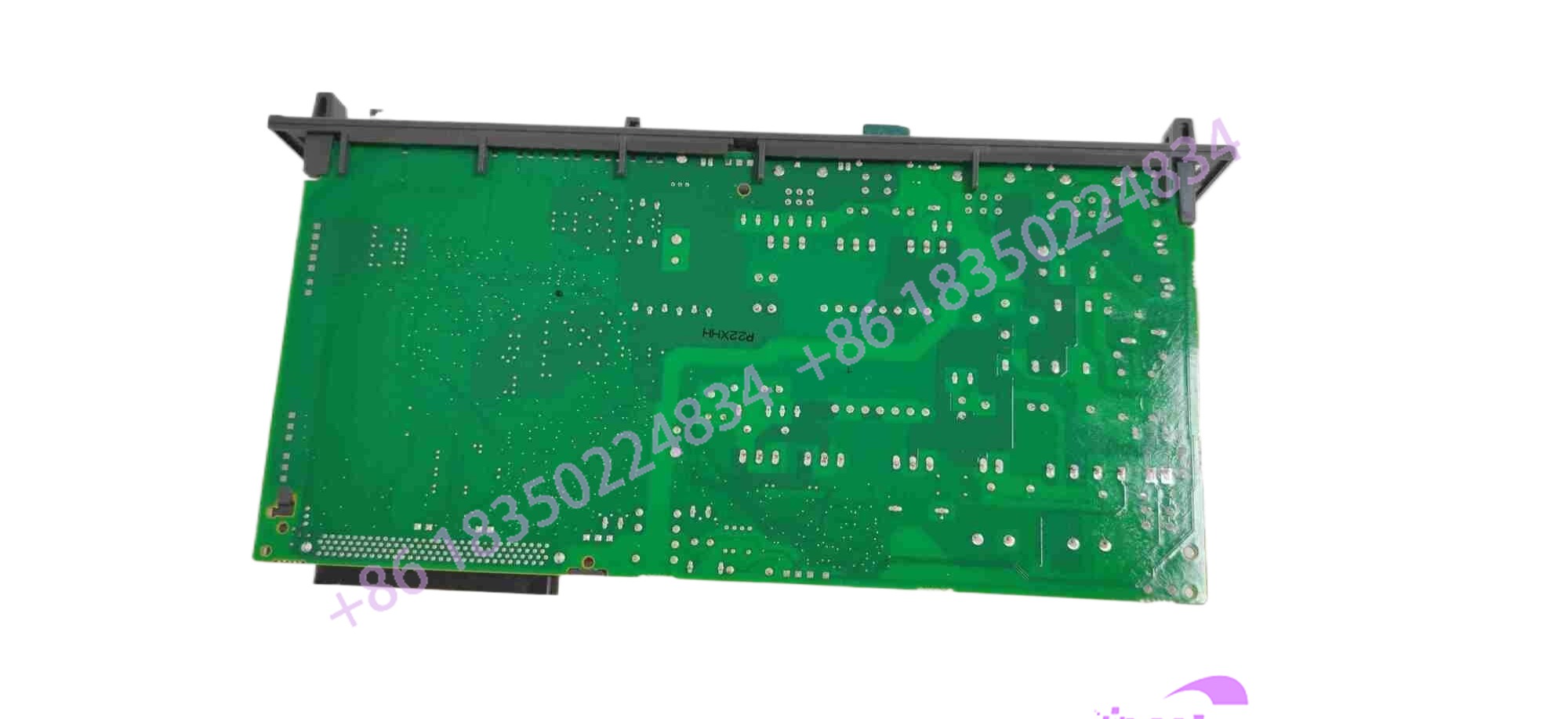
A16B-2203-0910
Key Technical Specifications
| Parameter | Specification |
| Manufacturer | FANUC |
| Part Number | A16B-2203-0910 (Alternate: A16B22030910) |
| Compatible Controller Series | FANUC R-30iA, R-30iB, R-30iB Plus |
| Input Voltage Range | 200V to 240V AC |
| Primary DC Output | 24V DC |
| Mounting Configuration | Controller Rack / Backplane Slot-Mount |
| Cooling Method | Natural Convection / Cabinet Airflow |
| Operating Temperature | 0°C to 45°C (Standard Industrial Electrical Enclosure) |
Field Engineer’s Pitfall Guide
- Residual Energy and Capacitor Discharge: Warning: Do not yank or service this board immediately after dropping the main breaker. Bulk storage capacitors on the unit hold hazardous electrical charges. Wait at least 10 minutes and check terminal voltages with a multimeter before sliding the board out of the rack.
- Backplane Slot Alignment Damage: Do not force the PCB into the rack connector. I have watched technicians bend gold pins on the backplane interface because they attempted to seat the board at an angle. Always align the card edge parallel to the guide rails and press firmly on the designated extraction handles.
- Ignoring Upstream Voltage Fluctuations: Swapping a burnt power supply without checking incoming factory line imbalances invites repeat failures. Verify that your 200V-240V AC legs are balanced within acceptable plant tolerances before committing a new board to service.
QA & Testing SOP (Transparency)
- Visual & Component Audit: Incoming units undergo physical inspection for burned traces, heat-stressed transformers, swollen electrolytic capacitors, and broken edge connectors.
- Static Bench Testing: Technicians measure isolation resistance and verify short-circuit protection thresholds across primary and secondary power stages.
- Dynamic Full-Load Simulation: The power supply board is mounted onto a dedicated R-30iA/R-30iB controller test rig and subjected to prolonged thermal soaking under full operational load profiles.
- Output Ripple & Regulation Check: Voltage stability and ripple suppression on the 24V DC output rails are verified via oscilloscope prior to anti-static sealing and dispatch.
Technical FAQ
Can I use this power supply unit interchangeably between R-30iA and older R-J series controllers?
No. The A16B-2203-0910 is specifically engineered for the pinouts, bus structures, and voltage demands of the R-30iA, R-30iB, and R-30iB Plus controller generations. Cross-installing across incompatible controller families risks permanent hardware damage.
What causes this specific power supply board to throw startup fault codes?
Common triggers include internal capacitor degradation from long-term thermal exposure, short circuits on external 24V peripheral lines, or severe voltage spikes coming from the main plant transformer.
Are the internal fuses on this board field-replaceable?
While surface-mounted or soldered protection fuses exist on the PCB layout, replacing them requires micro-soldering skills and often masks deeper component shorts. Full board replacement or certified depot rebuild is standard field procedure.
Does swapping this power supply wipe the robot system software or parameters?
No. The power supply module only delivers energy to the rack; system software and user programs reside on separate memory and CPU cards backed up by separate batteries. However, always ensure proper controller shutdown procedures are followed before extraction.





