


Description
Emerson AMS A6500-RC | 19-Inch API 670 Rack Enclosure Specs
Dynamic Product Introduction
Retrofitting obsolescent vibration monitoring equipment across high-speed turbines and critical compressors usually forces engineering teams into agonizing cabinet redesigns. Tearing out legacy 19-inch racks destroys field wiring terminations and wastes thousands of man-hours in rewiring labor.
The Emerson A6500-RC chassis framework bypasses this bottleneck by providing a drop-in structural enclosure engineered to accept modern AMS 6500 ATG monitoring cards while retaining existing field cabling. Deploying this chassis modernizes safety shutdown architectures instantly—though verifying backplane bus jumper configurations and power supply redundancy headers is critical before slotting live monitoring cards.
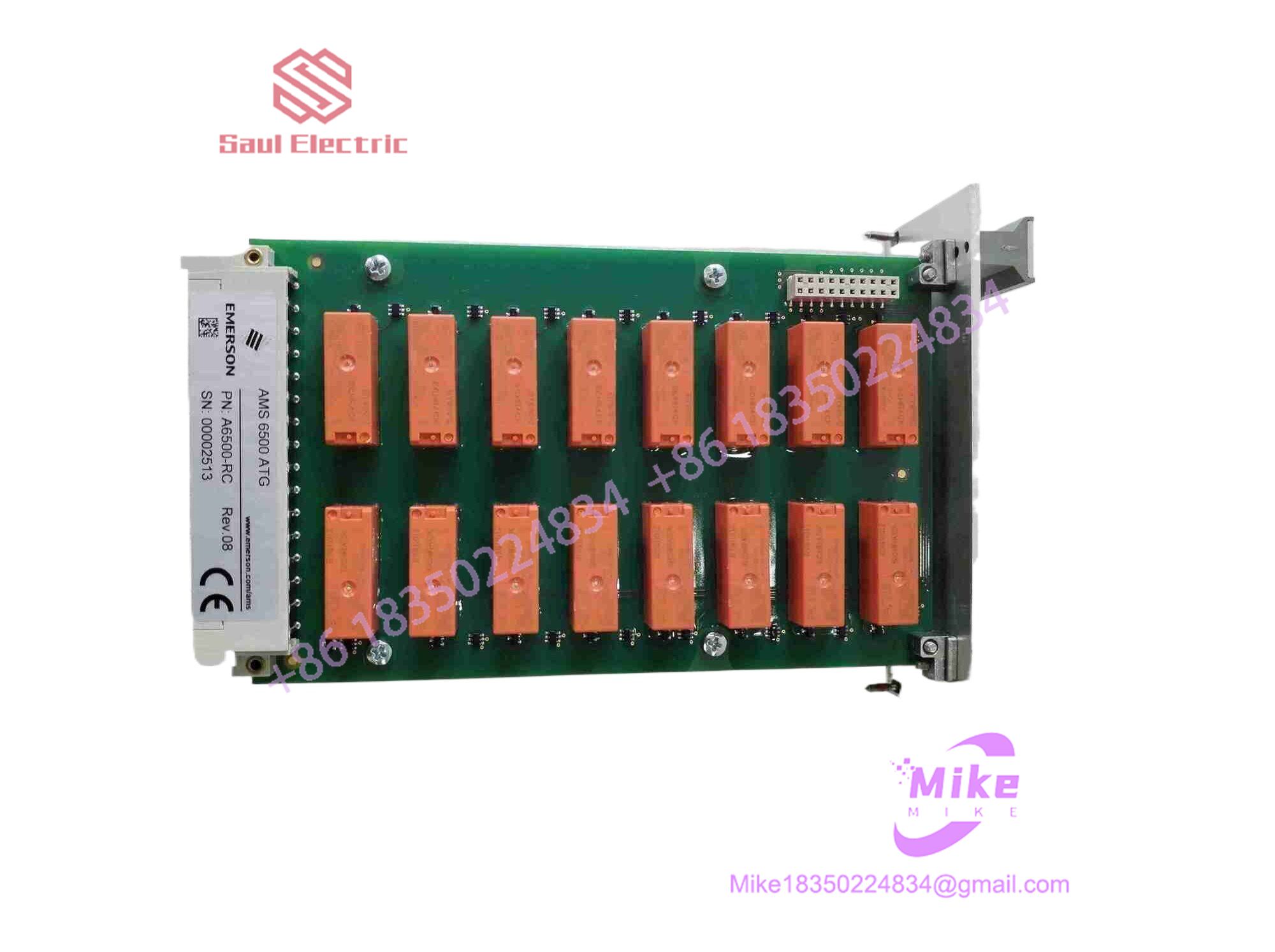
A6500-RC
Key Technical Specifications
| Parameter | Specification Details |
| Enclosure Type | Standard 19-inch rack-mount chassis |
| System Standard | API 670 compliant turbomachinery protection housing |
| Slot Capacity | High-density multi-slot configuration for universal monitor cards |
| Power Distribution | Dual redundant power supply bays (AC/DC options) |
| Bus Architecture | Integrated system bus for inter-card communication and data transfer |
| Backplane Integration | Passive or active modular backplane routing for I/O and power |
| Mounting Options | Standard industrial cabinet rack mount |
| Operating Temperature | -20°C to +65°C environmental tolerance |
| Agency Certifications | CE, ATEX Zone 2, CSA Class 1 Div 2 hazardous area ratings |
Global Sourcing & Live-Test SOP (Transparency Core)
Procuring structural infrastructure hardware for safety-instrumented shutdown systems leaves no margin for structural fatigue or bus trace corrosion. Intermittent backplane connections can generate false turbine trips.
- Inbound Verification: Every incoming chassis undergoes rigorous physical examination, checking backplane trace continuity, guide-rail alignment, and screw-terminal integrity against original factory blueprints.
- Live Simulation: Technicians mount the chassis onto a dedicated test bench, populating it with test-grade power supplies and processor modules to verify backplane voltage delivery across all slots.
- Diagnostics: We execute full-scale voltage drop measurements under artificial load conditions and test communication bus handshakes across internal node ports using advanced multimeters and oscilloscopes.
- Final Prep: Enclosures undergo connector pin cleaning, firmware version auditing of any embedded controller nodes, and antistatic packaging to guarantee zero-defect field installation.
The Field Engineer’s Pitfall Guide
❗ Backplane Power Distribution Overloads: Mixing legacy power supply revisions with high-density modern monitoring cards can overload individual chassis power rails if current draw limits are miscalculated. I’ve seen plants blow internal backplane protection fuses during startup because secondary loads weren’t balanced across dual power feeds.
❗ Bus Termination Neglect: Forgetting to verify or install the correct data bus termination resistors at the end of the rack network will corrupt communication packets, causing intermittent drops between the protection system and the plant distributed control system (DCS).
❗ Chassis Grounding Discrepancies: Failing to secure a low-impedance earth ground strap directly to the designated chassis stud introduces severe electromagnetic interference (EMI) into low-level proximity probe signals, resulting in erratic vibration spikes.
Intent-Driven FAQ
Can I install modern AMS 6500 ATG cards directly into legacy system chassis?
No. While the system is designed to reuse existing field wiring and cabinets, the physical backplane and communication architecture require the updated A6500-RC rack structure to support high-speed digital data transfer, OPC UA protocols, and embedded prediction capabilities.
Does the rack support hot-swapping of individual monitor and power supply cards?
Yes. The enclosure backplane is engineered for safe hot-insertion and removal of redundant power supplies and universal monitor cards, provided your facility maintenance procedures follow standard safety protocols for live machinery protection racks.
Are these chassis supplied with power supplies included?
Configuration varies based on specific procurement packages, but standard units can be ordered with single or dual redundant power supply modules installed. Always verify your site’s voltage input requirements (e.g., 24V DC or 110/220V AC) prior to order finalization.
What warranty protects surplus or replacement rack enclosures?
All delivered hardware is backed by an independent 12-month operational warranty covering backplane trace integrity, structural components, and power distribution bus reliability under normal industrial operating conditions.
How does the enclosure integrate with existing plant control systems?
The rack interfaces seamlessly with higher-level control systems and historian packages through native Modbus TCP/RTU and secure embedded OPC UA servers residing on the system communication modules.





