Description
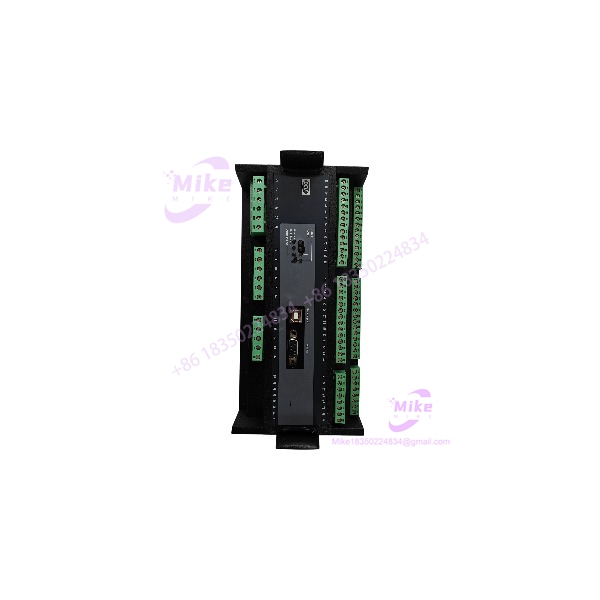
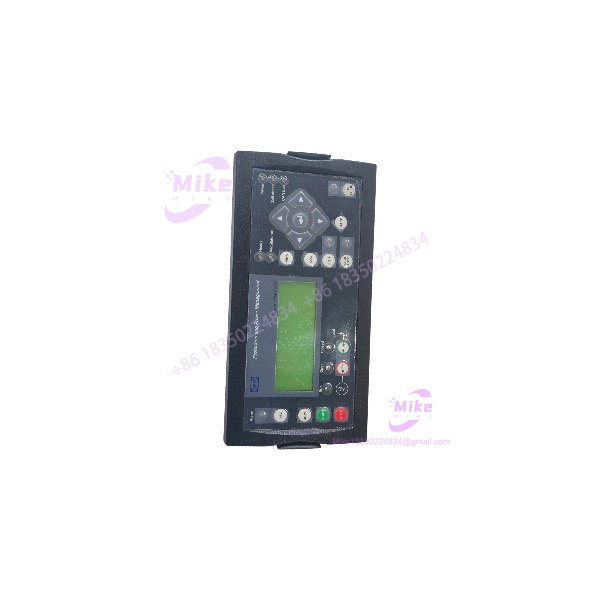
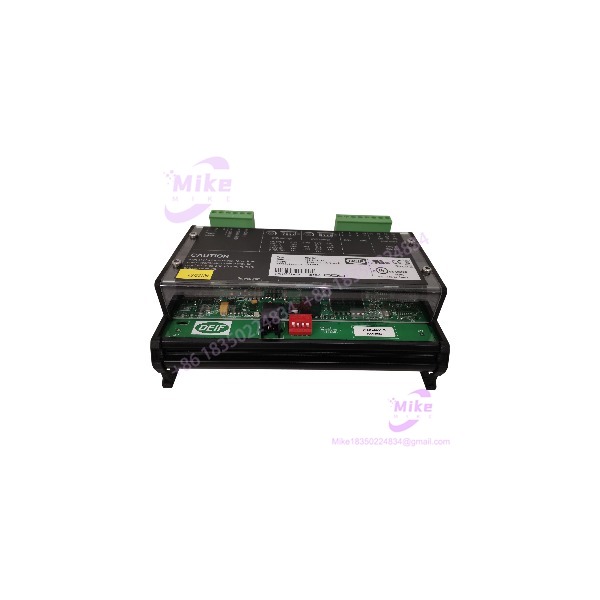
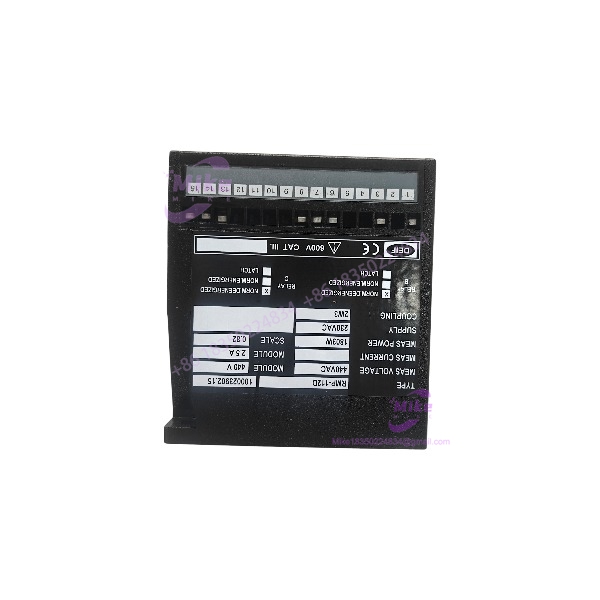
DEIF RMP-112D | Reverse Power Protection Relay | In-Stock
Dynamic Product Introduction
Preventing reverse power conditions during generator paralleling operations is critical to avoid driving the prime mover as a motor, which can cause severe mechanical damage. The DEIF RMP-112D continuously monitors active power flow direction, executing rapid trip output signals when reverse power limits are exceeded. Sourcing a load-tested DEIF RMP-112D ensures immediate drop-in replacement compatibility while maintaining strict adherence to marine and industrial electrical safety standards.
Built for high vibration and harsh thermal conditions in engine control rooms, the DEIF RMP-112D delivers precise reverse current detection down to low power percentages. Front-panel potentiometers allow technicians to dial in precise reverse power thresholds and time delays without requiring proprietary software software tools. For power plant engineers managing emergency gensets or marine switchboards, deploying this fully verified protection unit ensures long-term grid stability and asset longevity.
RMP-112D
Key Technical Specifications
- Model Identification: DEIF RMP-112D
- Monitored Parameter: Reverse Active Power (P <)
- Voltage Input Range: 100 V AC to 485 V AC (Phase-to-Phase)
- Current Input Secondary (I_n): 1 A or 5 A AC (selectable/model dependent)
- Auxiliary Supply Voltage: 24 V DC nominal (18 V DC to 30 V DC operational range)
- Trip Output Contacts: 2x Changeover (SPDT) relays, 250 V AC / 8 A resistive rating
- Reverse Power Range: -2% to -20% adjustable scale relative to nominal power
- Time Delay Setting: 2 s to 20 s adjustable trip delay
- Mounting Configuration: 35 mm DIN-rail or direct panel mounting
- Operating Temperature: -25°C to +70°C (-13°F to +158°F)
Global Sourcing & Live-Test SOP (Transparency Core)
To guarantee flawless trip execution during power system faults, every reconditioned or surplus unit undergoes a multi-step physical and live electrical verification protocol prior to dispatch:
- Inbound Verification: Serial numbers are verified against OEM logs, mechanical housing latches are inspected, and front potentiometer dials are checked for smooth resistance curves.
- Live Simulation: The relay is installed on a test bench powered at 24 V DC auxiliary voltage to verify internal power rail health and status LED logic.
- Three-Phase Power Injection Testing: Using a calibrated three-phase relay test set, voltage and current are applied with varying phase angles to simulate both forward and reverse active power flows (Verification: Reverse power trip point accuracy verified within ±1% of dial setpoint).
- Environmental Thermal Burn-In: The module undergoes an 18-hour continuous soak test at 55°C inside an environmental chamber under active voltage and current monitoring.
- Final Prep: Potentiometers are reset to baseline factory positions, terminal screws are checked, and the unit is sealed inside anti-static ESD packaging with fresh desiccant packs.
The Field Engineer’s Pitfall Guide
CT Open-Circuit & Phase Rotation Safety Hazard
Never open an active Current Transformer (CT) secondary circuit. Verify correct three-phase voltage phase sequence (L1, L2, L3) before powering up the DEIF RMP-112D to avoid false reverse power calculations.
❗ Phase Sequence Reversal: Wiring the voltage input lines with incorrect phase rotation causes the internal vector calculation logic to register forward power as reverse power. This results in an immediate trip command as soon as the generator breaker closes.
❗ Un-Shorting Current Transformers During Swaps: Unseating or disconnecting current leads without shorting the CT secondary circuit at the test block creates dangerous high-voltage arcing. —In field deployments, I’ve seen switchgear control wiring ruined because a technician disconnected CT wires under load without setting the shorting pins first.
❗ Auxiliary DC Power Quality Issues: Supplying the DEIF RMP-112D from an unregulated or noisy DC bus can induce timer circuit instability. Ensure the auxiliary 24 V DC supply operates with less than 10% peak-to-peak AC ripple.
Intent-Driven FAQ
What is the core function of the DEIF RMP-112D in a generator protection scheme?
The DEIF RMP-112D detects reverse active power flow (when the generator consumes power from the bus rather than supplying it), preventing turbine or diesel engine motoring damage.
Can the trip time delay be adjusted directly on the front panel?
Yes. The relay features an integrated potentiometer on the front panel allowing you to adjust the reverse power trip time delay between 2 and 20 seconds.
Does this module require external software tools for commissioning?
No. Operating settings including pickup percentage and time delay are set manually via front-panel dials, requiring no special software programming interface.
How do I test the trip output contacts without running the generator?
Most units feature a front-panel test button or manual override mechanism that simulates a trip condition to verify output contact closure across connected circuit breakers.
What standard warranty is provided for reconditioned and surplus units?
All reconditioned and factory-sealed units include a comprehensive 1-year replacement warranty covering measurement accuracy, output contact operation, and internal power supply stability.