Description
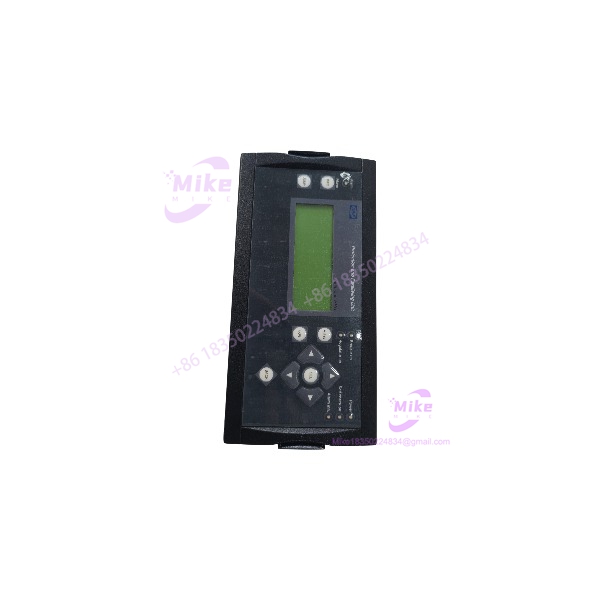
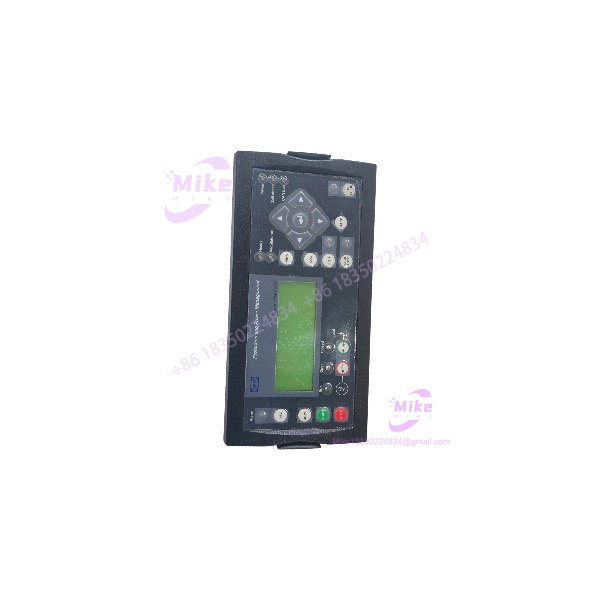
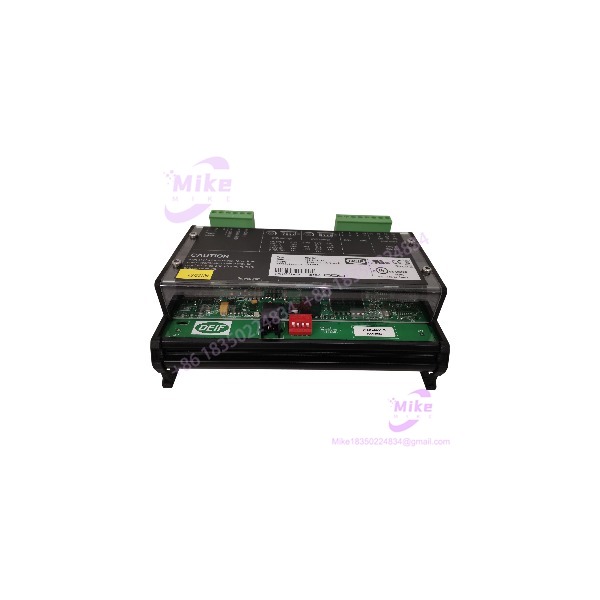
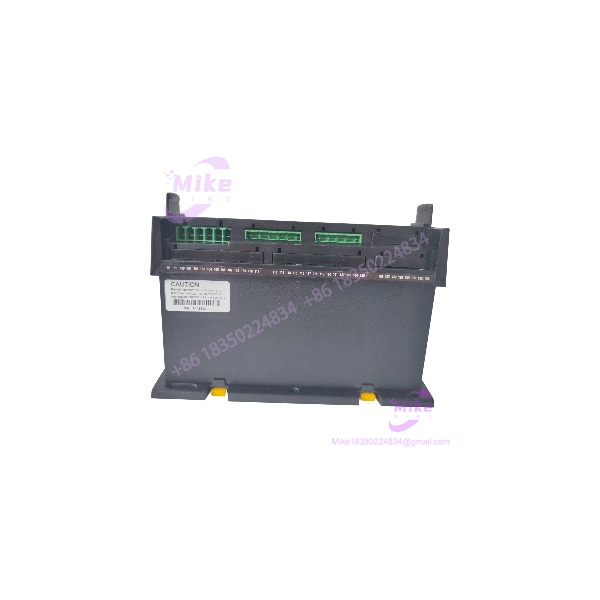
DEIF GPU-2/GS | Generator Protection & Control Unit
Product Introduction
A generator protection unit sits in a very different risk category from an ordinary automation I/O module. The DEIF GPU-2/GS continuously evaluates generator electrical conditions and provides protection and control functions intended to prevent abnormal operating conditions from becoming equipment damage or an uncontrolled generator trip.
The GPU-2 family was developed as part of DEIF’s Multi-line generator control platform. Depending on the exact option and hardware configuration, the unit can monitor generator voltage, current, frequency, power-related parameters, and protection conditions, with programmable alarm and trip behavior. DEIF’s own documentation confirms that the GPU-2 is a dedicated generator protection unit and provides separate documentation for its option configurations.
The GS designation should not be treated as sufficient information for a complete replacement order. GPU-2 units were available with different hardware options, measurement configurations, auxiliary supplies, and application functions. The complete nameplate/order code should therefore be matched against the installed controller before commissioning.
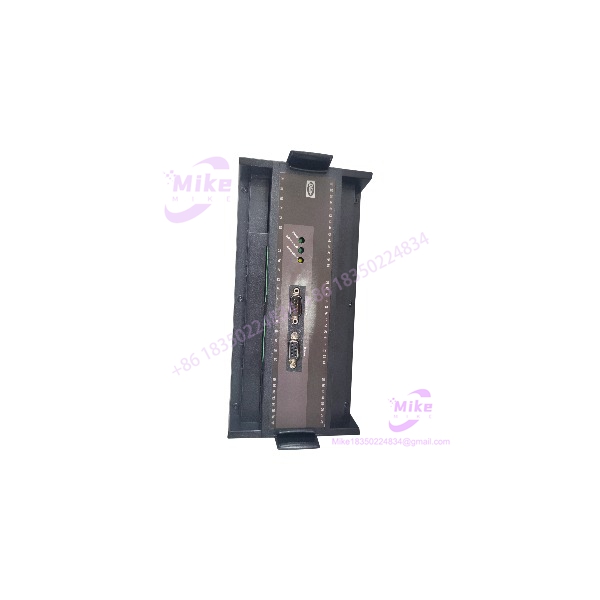
GPU-2/GS
Key Technical Specifications
- Manufacturer: DEIF A/S
- Model: GPU-2/GS
- Series: Multi-line
- Device Type: Generator Protection Unit
- Primary Function: Generator electrical protection and supervisory control
- Generator Voltage Measurement: Models/configurations covering 100–690 VAC are documented in current secondary-market /GS records.
- Current Measurement: Configuration-dependent; 1 A and 5 A CT secondary variants are encountered.
- Auxiliary Supply: Configuration-dependent; verify the installed unit’s nameplate before applying DC power.
- Protection: Programmable generator protection, alarm, and trip functions
- Control Platform: DEIF Multi-line
- Front Interface: Display/keypad configuration depends on the exact hardware variant
- Mounting: Panel-mounted industrial generator-control equipment
- Application Environment: Generator sets, industrial power systems, and marine applications
- Lifecycle: Phased out / end of life according to DEIF.
What the “GS” Configuration Means for Procurement
The /GS designation appears across a number of secondary-market listings, but individual units can carry additional identification such as EW10115YLY and other configuration/order numbers. For example, one current listing identifies a GPU/2/GS unit with a 100–690 VAC measurement range and additional part-number references.
That means /GS alone should not be used to determine every terminal function. The terminal arrangement and installed options need to be checked against the actual DEIF documentation and nameplate.
Global Sourcing & Live-Test SOP
For a legacy , procurement inspection should focus on configuration identity as much as basic power-up testing.
- Nameplate verification: Photograph the complete front and rear labels before removing packaging. Record model, order code, serial number, hardware identification, and any DEIF part number.
- Configuration comparison: Match the replacement against the original controller’s voltage-input, CT-input, auxiliary-power, and output configuration.
- Physical inspection: Examine terminal blocks, display, membrane keypad, housing, mounting points, and PCB condition where access is permitted.
- Power verification: Confirm the required auxiliary DC voltage from the exact unit documentation before energizing. Do not infer the supply voltage merely from the family name.
- Measurement simulation: Use a suitable three-phase electrical test source or protection relay test set to inject controlled voltage/current signals.
- Protection test: Verify selected overvoltage, undervoltage, overfrequency, underfrequency, overcurrent, reverse-power, phase-sequence, and related functions only where those functions are installed and configured.
- Relay-output test: Confirm alarm/trip outputs operate according to the recorded configuration. Use an isolated test interface rather than connecting an actual generator breaker during bench testing.
- Display test: Verify LCD/keypad operation, alarm annunciation, parameter access, and event/log functions where fitted.
- Configuration backup: Record the programmed protection thresholds, delays, CT ratios, VT ratios, generator nominal voltage, frequency, and other site parameters before commissioning.
- 24-hour observation: For a refurbished unit, an extended powered run with simulated measurements is preferable to a simple “powers on” inspection.
- Final packaging: Protect terminals and the front display against ESD, impact, and contamination after testing.
A generator protection controller should never be accepted solely because the LCD illuminates. The real test is whether the measurement chain, protection logic, relay outputs, and configuration behave correctly.
Field Engineer’s Pitfall Guide
❗ 1. Do not buy on “/GS” alone
DEIF produced multiple configurations and options. The official documentation is organized around separate option documents, which is a strong indication that the complete hardware configuration matters.
A replacement with the same family designation can still have different measurement or output hardware. Match the full ordering code and terminal configuration.
❗ 2. CT secondary current must match the installed configuration
Generator protection systems commonly use 1 A or 5 A CT secondaries. A controller configured for one CT secondary standard should not be connected to another without verifying the actual input specification and configuration. Secondary-market /GS documentation identifies both 1 A and 5 A configurations.
And never open-circuit an energized CT secondary during field work. Use the appropriate CT shorting/test arrangement.
❗ 3. Do not connect a replacement directly to a live generator breaker during first test
The can participate in protection and trip functions. A configuration error in CT ratio, VT ratio, nominal frequency, protection threshold, or relay logic can produce an unwanted trip.
Bench-test the controller first. Then compare every protection parameter against the original configuration before connecting its outputs to the generator protection chain.
Intent-Driven FAQ
What is the DEIF /GS?
The DEIF /GS is a Multi-line generator protection and supervisory controller designed for generator-set applications. It monitors electrical conditions and provides configurable protection, alarm, and control functions.
Is /GS a PLC?
No. It is specialized generator protection and control equipment. Although it performs programmable measurement and protection logic, it should not be treated as a general-purpose PLC replacement.
What generator voltage can /GS measure?
The exact range depends on the hardware configuration. Secondary-market documentation for /GS units identifies configurations supporting 100–690 VAC measurement. The actual installed unit’s nameplate and DEIF documentation should be used before connecting generator voltage.
Does /GS use 1 A or 5 A CTs?
Both configurations are encountered. The exact CT input must be verified from the unit’s complete configuration before installation.
Can I replace an older /GS with another /GS?
Potentially, but matching the model family is not enough. Compare the full hardware/order code, voltage and current measurement configuration, auxiliary supply, relay/output arrangement, options, firmware/configuration, and terminal assignments.
Is DEIF still in production?
DEIF currently identifies the as phased out/end of life and states that it does not currently list a direct replacement for the .
That makes verified surplus and tested replacement inventory particularly relevant for maintaining older generator systems.
What should be included with a tested replacement?
Ideally, the supplier should provide clear photographs of the complete nameplate, model/order code, serial information, terminal configuration, power-up result, display test, and documented measurement/relay test. For a configured protection controller, the programmed settings are also important.
Procurement Notes
The DEIF /GS is a specialized generator protection controller for applications where measurement accuracy, protection thresholds, relay behavior, and configuration integrity directly affect generator operation. DEIF has phased out the family, so replacement sourcing is now primarily a legacy-equipment exercise.
The supplied eBay listing describes the item as new, but its eBay item specifics identify the brand as “unbranded” and MPN as “Does Not Apply.” That discrepancy deserves attention before treating the unit as OEM-traceable DEIF inventory.
For a production-critical genset, request photographs of the actual nameplate and terminal side, not stock photographs, and verify the complete DEIF order/configuration code before purchase. A factory-new appearance does not by itself establish OEM provenance or configuration compatibility.