Description
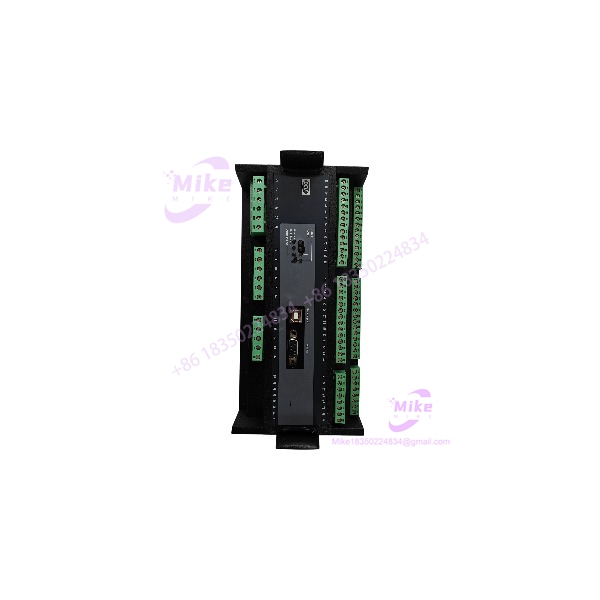
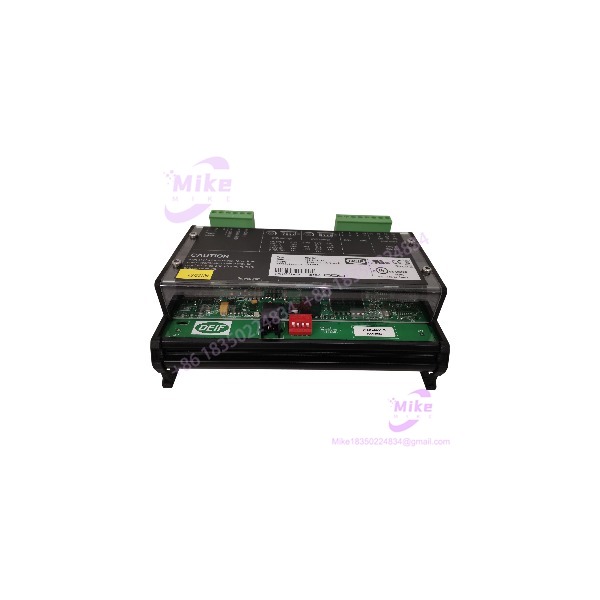
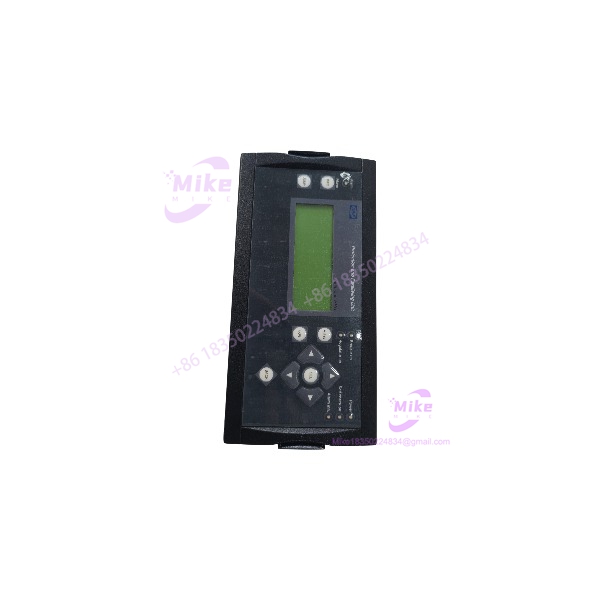
DEIF PPU/2/GS | Genset Protection & Synchronizer, New
Architect’s Product Breakdown
The DEIF PPU/2/GS functions as a self-contained protection and synchronization controller designed for marine and industrial switchboards. This hardware handles complex multi-generator paralleling schemes, ensuring deterministic breaker closure and precise frequency matching. Positioned directly within the generator control panel, it removes the need for separate synchronization meters and discrete protection relays, consolidating core logic into a single hardware footprint.
Deploying this specific model demands careful attention to parameter configuration and firmware versioning. Because legacy switchboards rely on exact communication handshakes across the internal CANbus network, dropping in a replacement unit requires matching software files using official utility tools. Panel technicians must also respect cabinet thermal limits, ensuring adequate airflow to prevent internal measurement drift during long-duration runs.
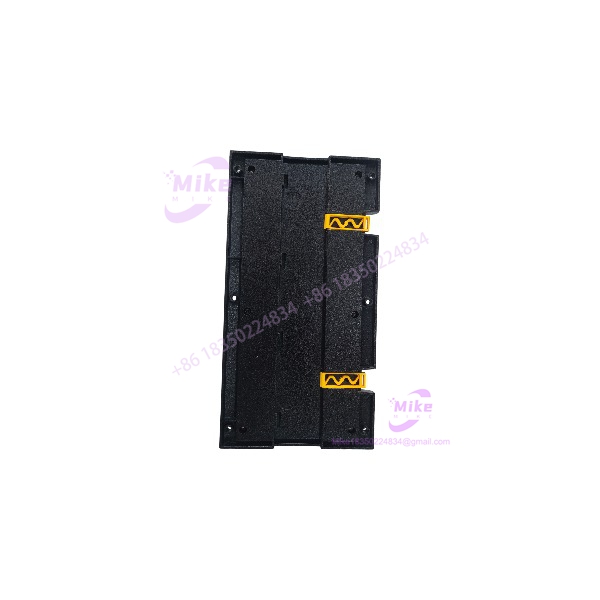
PPU/2/GS
Key Technical Specifications
| Parameter | Specification Details |
| Supply Voltage | 12 / 24 VDC nominal (9 to 32 VDC range) |
| Power Consumption | 10 W nominal |
| Voltage Measurement | Up to 690 VAC direct / PT inputs |
| Frequency Range | 15 Hz to 85 Hz True RMS |
| Communication Protocols | CANbus, RS485 / Modbus RTU |
| Discrete Inputs | Configurable digital channels |
| Relay Outputs | Trip and control outputs |
| Synchronization Accuracy | \pm 0.3^\circ phase angle / \pm 0.5\% voltage |
| Operating Temperature | -20^\circC to +70^\circC |
| Enclosure Rating | IP21 front / IP20 terminals |
Field Engineer’s Pitfall Guide (Unique Value)
- CANbus Termination Failures: Omitting the 120-ohm end-of-line resistors on the multi-master CAN network will introduce packet loss and random synchronization dropouts. I once spent sixteen hours on a container vessel troubleshooting intermittent breaker rejections, only to find a missing termination jumper causing signal reflections on the bus.
- Unregulated Control Power Dips: Feeding the module from a sagging 24 VDC bus during heavy starter solenoid engagement causes brownouts and unexpected reboots. Ensure your control transformer and battery backup maintain rigid voltage regulation.
- Firmware Mismatch During Swaps: Installing a replacement unit running an older software revision can reject the site configuration file. Always verify firmware parity before energizing the switchgear.
QA & Testing SOP (Transparency)
- Visual & Origin Verification: Inspection of factory anti-tamper seals, serial numbers, and housing structural integrity.
- Live Test Environment: Bench testing on a dedicated simulation rig powered by regulated 24 VDC supplies with injected three-phase test voltages.
- Diagnostics & Handshake Testing: Executing full I/O point checks, relay contact actuation, and CANbus multi-node communication handshakes.
- Firmware Logging & ESD Packaging: Recording firmware revisions, sealing the hardware in static-dissipative shielding bags, and packing in custom foam enclosures.
Technical FAQ
- Can I hot-swap this controller while the generator is running live? No. Swapping this model on an energized switchboard risks damaging internal bus transceivers and causing dangerous breaker trips. Always isolate the unit first.
- What software is required to configure parameters? You must use the official DEIF configuration utility software connected via USB or serial interface.
- Does the unit retain settings after a total power loss? Yes, configuration parameters and alarm histories are stored in non-volatile flash memory.
- Is this controller backward compatible with first-generation PPU units? Direct compatibility varies based on backplane hardware revisions and network protocol requirements; verify hardware generation before installation.