Description
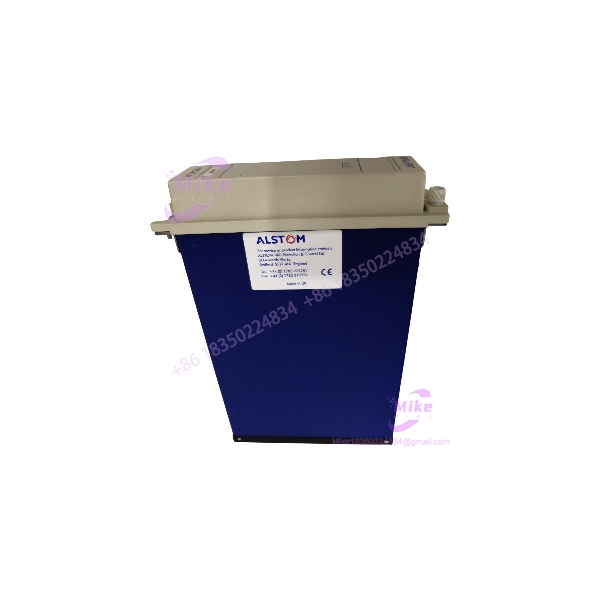
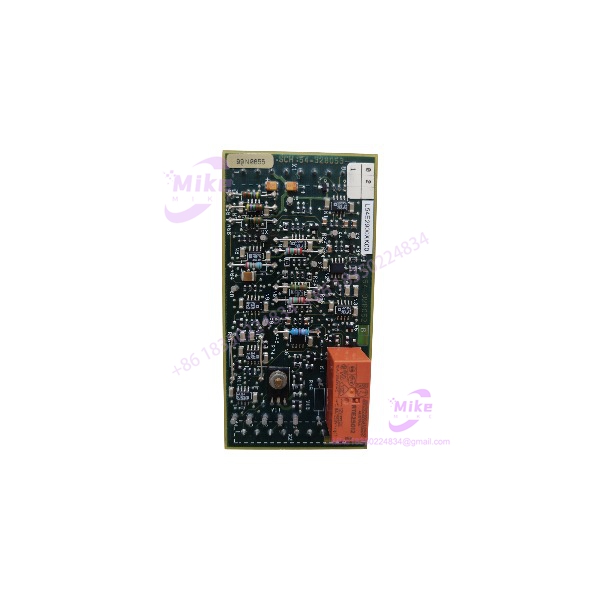
Alstom AL129A Module | Quantified Spec Industrial Control Unit
Dynamic Product Introduction
Maintaining uninterrupted power transmission demands hardware capable of withstanding severe electromagnetic environments. The Alstom AL129A logic and interface module acts as a vital processing node within legacy protection and control racks, routing precise trip and monitoring commands across utility sub-stations. Sourcing verified surplus units for these mature architectures prevents lengthy downtime windows while avoiding the high costs of complete system modernization.
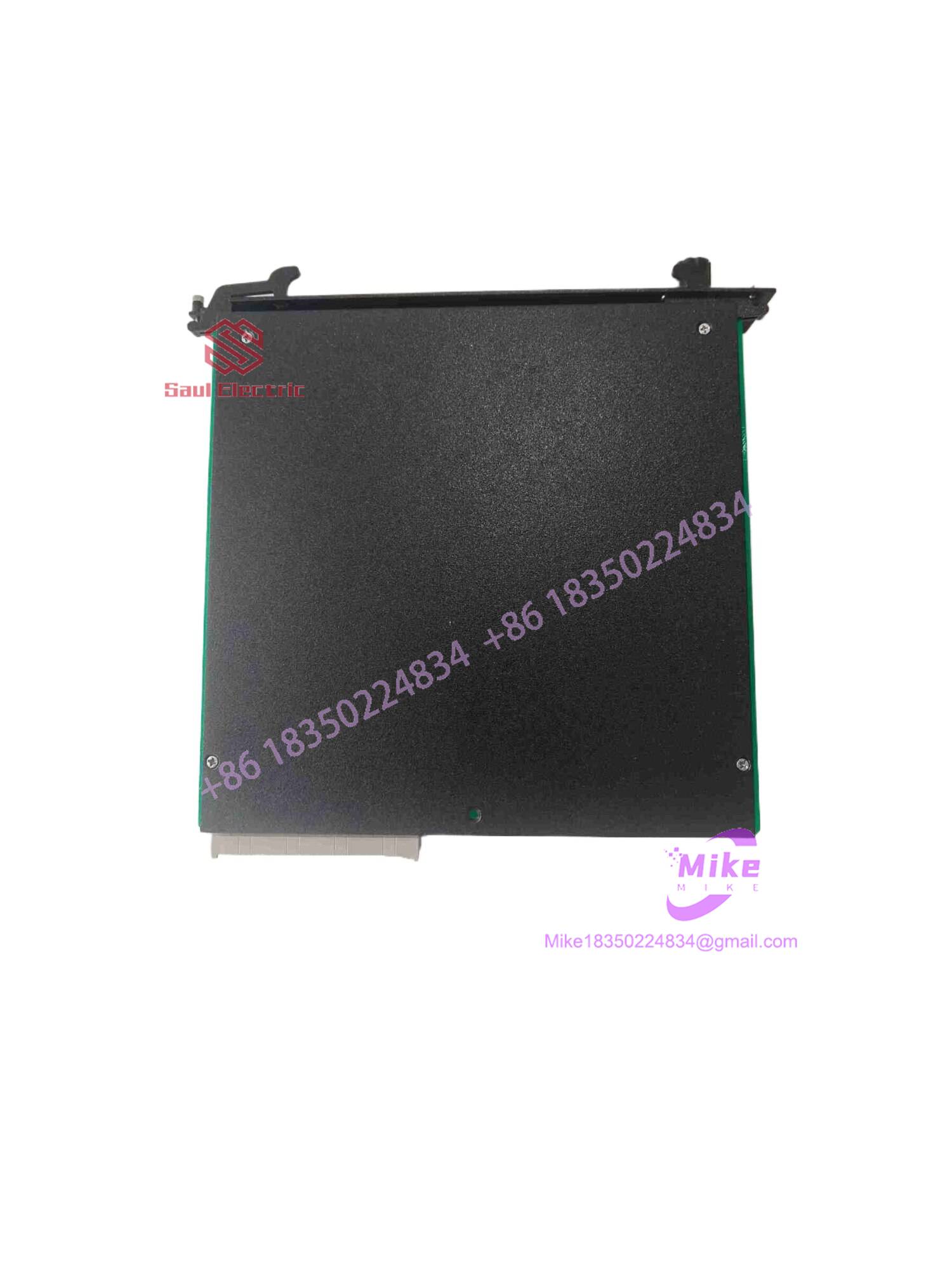
AL129A
Key Technical Specifications
| Technical Parameter | Specification Value |
| Device Type | Substation Control / Interface Module |
| System Compatibility | Alstom / Areva protection relay and control racks |
| Processing Architecture | Industrial microprocessor core with deterministic execution |
| Input/Output Logic | Optically isolated digital and analog pathways |
| Mounting Format | Rack-mount subassembly card |
| Operating Temperature | -10°C to +55°C utility environment threshold |
| Dielectric Strength | 2.5 kV RMS isolation compliance per IEC standards |
| Enclosure Interface | Gold-plated backplane edge connectors |
| Diagnostic Indicators | On-board health, status, and communication LEDs |
| Compliance | Heavy industrial EMC / EMI immunity standards |
Global Sourcing & Live-Test SOP (Transparency Core)
Procuring secondary market power utility hardware requires meticulous verification of component longevity and trace-level circuit health. Every inbound Alstom AL129A board goes through a rigorous diagnostic pipeline:
- Inbound Verification: Serial number pedigree tracing against utility automation databases, microscopic inspection of gold-finger edge connectors, and electrolytic capacitor ESR screening.
- Live Simulation: Inserted into an authentic Alstom rack test bench powered by a regulated DC switchgear supply.
- Diagnostics: Full-scale logic execution checks, optical isolation barrier testing, communication handshake validation, and a 24-hour thermal soak test under continuous load.
- Final Prep: Conformal coating inspection, anti-static shielding, and heavy-duty ESD-safe vacuum packaging.
The Field Engineer’s Pitfall Guide
- ❗ Backplane Pin Contamination: Forcing the AL129A card into a rack slot with oxidized or dust-laden edge connectors will cause intermittent communication dropouts across the internal bus.
- ❗ Firmware Revision Mismatches: Swapping a module into a multi-node rack without verifying that internal memory maps match adjacent controller nodes can trigger rack-level fault lockouts.
- ❗ Ungrounded Chassis Surges: Neglecting to secure the rack chassis earth grounding strap before insertion exposes sensitive CMOS logic layers to static discharge from high-voltage substation switching.
Intent-Driven FAQ
- Will replacing the Alstom AL129A board erase system configuration logic?
Configuration parameters and protection settings are typically stored on supervisor or memory cards within the rack framework, but verifying backplane node addressing before insertion is essential.
- Can this board be hot-swapped in an active substation rack?
Never extract or insert control cards while the rack backplane is energized unless the specific sub-rack architecture explicitly supports hot-swapping under maintenance mode protocols.
- What indicates a failing optocoupler on this interface module?
Observing correct input voltage at the terminal block while the corresponding internal processor bit remains unlatched points directly to a degraded optical isolation barrier.
- Are these surplus boards supplied with updated firmware versions?
Units maintain their original utility-grade firmware builds unless an explicit engineering revision request was requested during our bench-testing phase.
- What type of warranty covers this surplus hardware?
Verified units are backed by an industry-standard replacement warranty covering electrical functionality and component stability under normal operating parameters.