

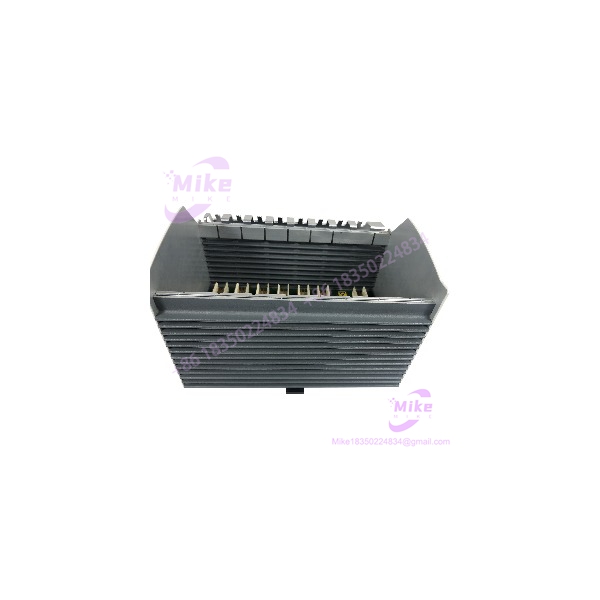
Description
ABB PM803F | AC 800F Central Processing Unit Module
Product Introduction
The PM803F is not a standard input/output expansion card; it is the central processing powerhouse of the ABB AC 800F architecture. When an aging controller starts dropping scan cycles or throwing memory parity faults on a continuous chemical processing line, production managers feel the financial pinch immediately. Dropping this processor into the rack restores deterministic execution speeds without requiring a risky, multi-million-dollar migration to a completely different control platform.
Operating within legacy industrial environments means dealing with cabinet heat and electrical noise—though your ventilation filters should always be checked during summer months. The PM803F handles complex control loops, PID algorithms, and network handshaking simultaneously. By offloading communication overhead from local node buses, it keeps your overall system latency tight and predictable.
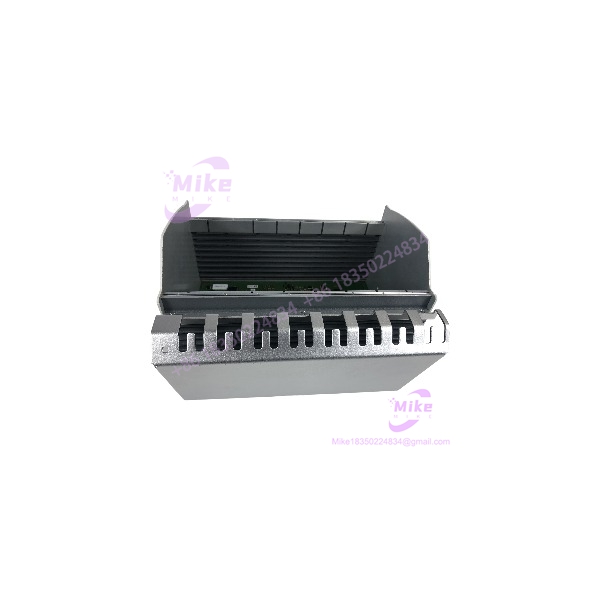
PM803F
Key Technical Specifications
- Processor Architecture: High-performance 32-bit embedded industrial CPU
- Memory Capacity: Integrated non-volatile flash and dynamic RAM for control logic storage
- Communication Ports: Dual RS-232 serial interfaces and Profibus DP master connection support
- Network Interface: 10/100 Mbps Ethernet ports for station bus communication
- Nominal Voltage: 24 VDC rack power bus input
- Power Consumption: Approximately 15 W under nominal system load
- Operating Temperature Range: 0°C to +55°C (32°F to 131°F)
- Storage Temperature Range: -40°C to +85°C (-40°F to +185°F)
- Relative Humidity Range: 5% to 95% non-condensing operating environment
- Enclosure Rating: IP20 open-type industrial controller housing
- Mounting Configuration: Standard rack backplane slot-mount architecture
Application Scenarios & Pain Points
A petrochemical refinery in Texas faced chronic watchdog timer faults on an aging AC 800F rack whenever ambient cabinet temperatures peaked during afternoon shifts. We replaced the failing CPU with a tested PM803F unit, stabilizing the internal clock frequency and eliminating uncommanded controller resets entirely.
With vs. Without Healthy Processor Modules:
- Without the PM803F: Degraded processors suffer from memory creep, sluggish scan cycle execution, and random communication dropouts with remote I/O drops.
- With the PM803F: Control loops execute with sub-millisecond precision, ensuring stable analog regulation and immediate fault reporting across the station bus.
High-Salinity Marine Terminal Automation:
- Condition: Continuous-duty bulk material handling terminals exposed to humid, corrosive coastal air.
- Impact: Terminal oxidation on older backplane connectors causes intermittent handshake failures between the CPU and field nodes.
- Solution: Deploying a conformal-coated PM803F into a purged cabinet maintains reliable communication handshakes across the entire network topology.
QA & Live Testing SOP (Trust Signal)
Every PM803F that passes across our test bench undergoes a punishing verification regimen. First, we inspect the physical enclosure, looking closely at connector pins for bent contacts or thermal discoloration. Next, the module is inserted into a live AC 800F test rack connected to a regulated power supply—we measure current draw on a calibrated Fluke meter to verify that internal voltage regulation rails are within exact manufacturer tolerances.
Once powered, we establish a direct engineering connection via the configuration port, pushing a complete test project to verify memory read/write integrity and communication port responsiveness. We run a 24-hour thermal soak test under simulated plant load conditions to ensure zero dropped packets or unexpected watchdog trips. Finally, the module is wiped down, capped with anti-static protectors, and sealed in heavy-duty ESD packaging.
Field Engineer’s Pitfall Guide
❗ GOTCHA #1: Firmware Revision Mismatch Do not assume a replacement PM803F will automatically accept an older project file if the internal system firmware versions do not match. Always verify the software revision level using Control Builder F before downloading configuration files to avoid fatal system faults.
❗ GOTCHA #2: Lithium Battery Backup Failure If your replacement unit has sat on a warehouse shelf for years, check the onboard lithium backup battery voltage before commissioning. A depleted battery will dump volatile RAM contents during a sudden power loss, forcing a complete project reload.
❗ GOTCHA #3: Backplane Insertion Force When sliding the PM803F into an active rack slot, push it straight and firm until the locking levers engage completely. Pushing it in at an angle can bend backplane pins, causing intermittent communication errors across neighboring I/O modules.
Intent-Driven FAQ
Can I hot-swap the PM803F while the process plant is running?
No. Pulling or inserting the PM803F while the rack is powered will disrupt the station bus, crash active control loops, and trigger controller fault states. You must take the node offline or follow proper plant shutdown protocols before servicing the hardware.
Is the PM803F compatible with older AC 800F hardware revisions?
Yes, the PM803F is designed as a direct drop-in replacement for legacy AC 800F processor slots, provided your system rack backplane and power supply can support the electrical draw of the specific hardware revision.
What software tool is required to configure this processor?
You will need ABB Control Builder F engineering software to configure the PM803F, set up communication parameters, and download control logic projects to the unit.
How do I clear a persistent system fault LED on the front panel?
A persistent fault usually indicates a configuration mismatch, memory error, or hardware watchdog trip. Connect via the engineering port using Control Builder F to read the exact diagnostic buffer codes rather than attempting a blind reset.
Does the unit require forced air cooling inside the control cabinet?
While the PM803F relies primarily on passive convection cooling, installing it in sealed cabinets operating near the upper temperature limit requires internal cabinet fans or air conditioning to prevent premature thermal stress.





