Description
ProSoft MVI56-BAS | ASCII/Serial Interface Gateway, In Stock
Architect’s Product Breakdown
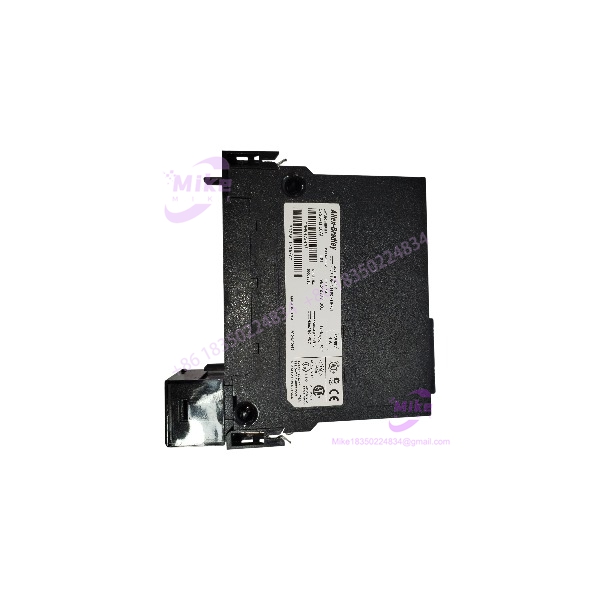
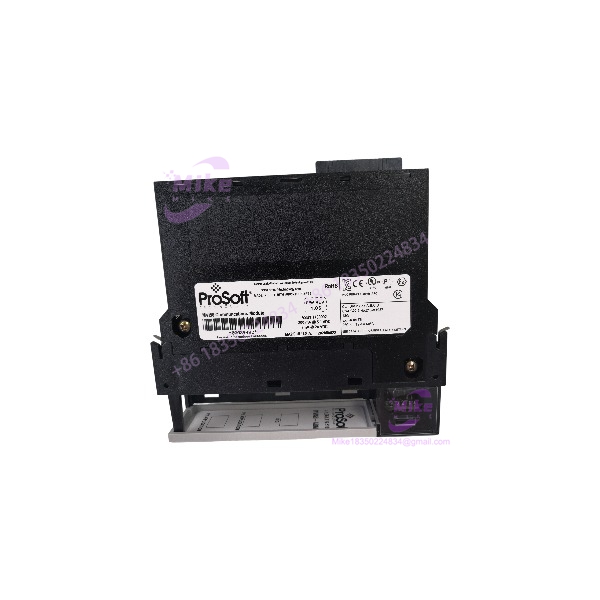
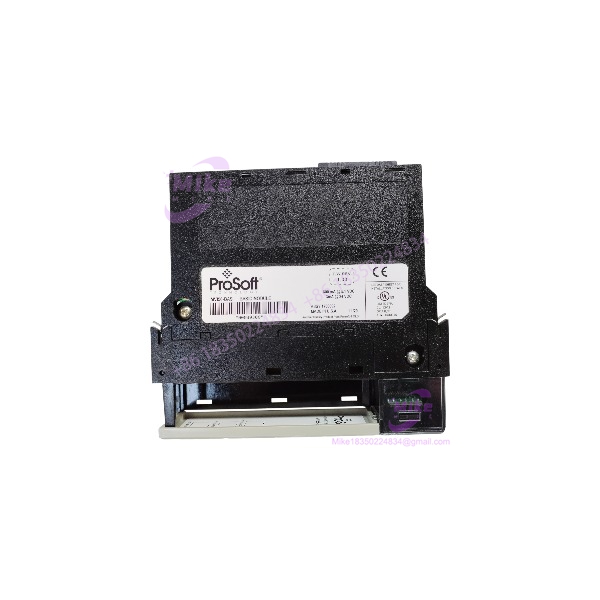
The ProSoft Technology MVI56-BAS operates as a specialized communication and processing module engineered to run custom programs written in BASIC while interfacing legacy ASCII serial devices, bar code scanners, printers, and third-party controllers directly into Allen-Bradley ControlLogix automation architectures. Within a control system layout, this specific model offloads string manipulation, protocol emulation, and custom data formatting tasks from the main programmable automation controller (PAC).
Deploying this hardware model into an existing control cabinet requires careful consideration of backplane power consumption, slot allocation, and physical serial layer wiring. Because industrial environments present severe electromagnetic interference challenges, system architects must ensure that all RS-232, RS-422, or RS-485 serial cables are properly shielded and grounded to prevent data packet corruption and communication timeouts. Furthermore, ladder logic must be correctly structured to handle seamless data exchange between the module memory registers and controller tags.
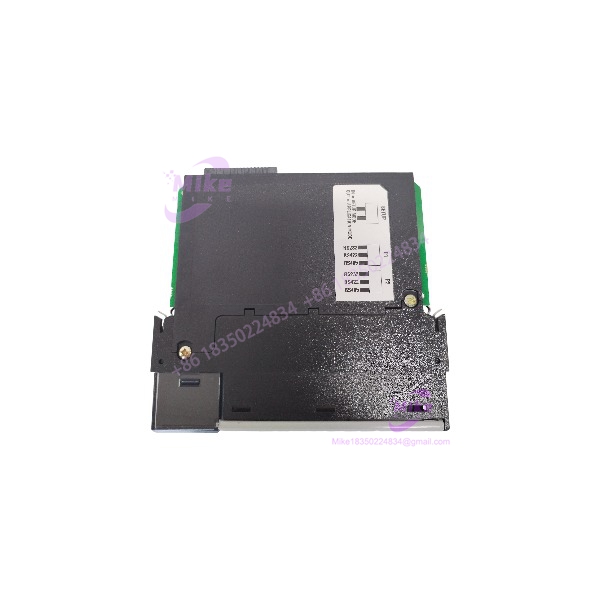
MVI56-BAS
Key Technical Specifications
| Parameter | Specification |
| Manufacturer | ProSoft Technology |
| Model Designation | MVI56-BAS |
| System Compatibility | Rockwell Automation ControlLogix Chassis (1756 Backplane) |
| Backplane Current Load | 800 mA at 5 V DC; 3 mA at 24 V DC |
| Communication Ports | 1 x CFG (RS-232 Debug/Config), 2 x Application Ports (PRT1 & PRT2: RS-232, RS-422, RS-485) |
| Programming Language | Extension of BASIC for custom logic and protocol parsing |
| Ambient Operating Temperature | 0°C to 60°C |
| Enclosure Rating | IP20 Open-style industrial module |
Field Engineer’s Pitfall Guide
- WARNING: Backplane Slot Power Limitations. Never insert this module into a heavily loaded chassis without verifying available 5V DC backplane capacity. Overloading a rack power supply will cause intermittent module reboots and fault out the main controller.
- WARNING: Serial Port Transceiver Damage. Double-check physical layer configuration settings and jumper placements before landing field wiring. Connecting high-voltage differential lines to an unconfigured port will burn out internal transceivers.
- WARNING: BASIC Program Corruption / Loss. Always back up source code files before performing firmware updates or replacing hardware modules to prevent permanent loss of custom parsing logic.
QA & Testing SOP
- Visual & Origin Verification: Inspect the molded circuit board housing for physical defects, verify OEM tracking labels, and check backplane connection pins for oxidation or bending.
- Chassis Seating Test: Mount the MVI56-BAS model into an isolated ControlLogix test rack and power up the backplane to verify normal LED status initialization and processor handshake.
- Port Loopback & Communication Test: Connect a serial loopback harness to the application ports to verify error-free packet transmission and program execution.
- Packaging: Seal in heavy-duty anti-static shielding material and pack with dense anti-static foam inside a rigid outer carton.
Technical FAQ
Can this module run standard Modbus protocols out of the box?
While custom BASIC programs can be written to emulate various serial protocols, standard Modbus implementations are typically handled by dedicated modules like the MVI56-MCMR, whereas this model is designed for custom BASIC logic and ASCII device integration.
What is the purpose of the configuration port on the front panel?
The dedicated configuration port is used to load, edit, and debug BASIC program files using terminal emulation software connected to a PC.
Does the MVI56-BAS require ladder logic programming for basic operation?
Yes, ladder logic data transfer blocks are required within the ControlLogix processor program to move data blocks seamlessly between processor memory tags and module registers.
Can this module be hot-swapped in a live control rack?
Hot-swapping is generally not recommended unless explicit plant live-maintenance policies, chassis power supplies, and processor fault-handling routines support unseating active backplane modules.