


Description
Enterasys A2H124-24FX | SecureStack Switch, New Surplus
Architect’s Product Breakdown
The Enterasys A2H124-24FX functions as a robust, high-security managed switch tailored for environments requiring long-distance, noise-immune fiber optic connectivity—making it a frequent choice for industrial automation control rooms, substation networks, and distributed enterprise backbones. Equipped with twenty-four 100BASE-FX ports utilizing MTRJ connectors, it isolates sensitive data paths from high-voltage electromagnetic interference (EMI) generated by heavy machinery and variable frequency drives.
Deploying or replacing this switch requires strict attention to optical link budgets, connector cleanliness, and stacking configurations. Network engineers must ensure that fiber patch cables match the multi-mode core specification and are meticulously cleaned using optical wipes prior to insertion to prevent high insertion loss. Utilizing the SecureStack architecture allows multiple switches to be managed as a single logical entity, simplifying network administration across redundant rings.
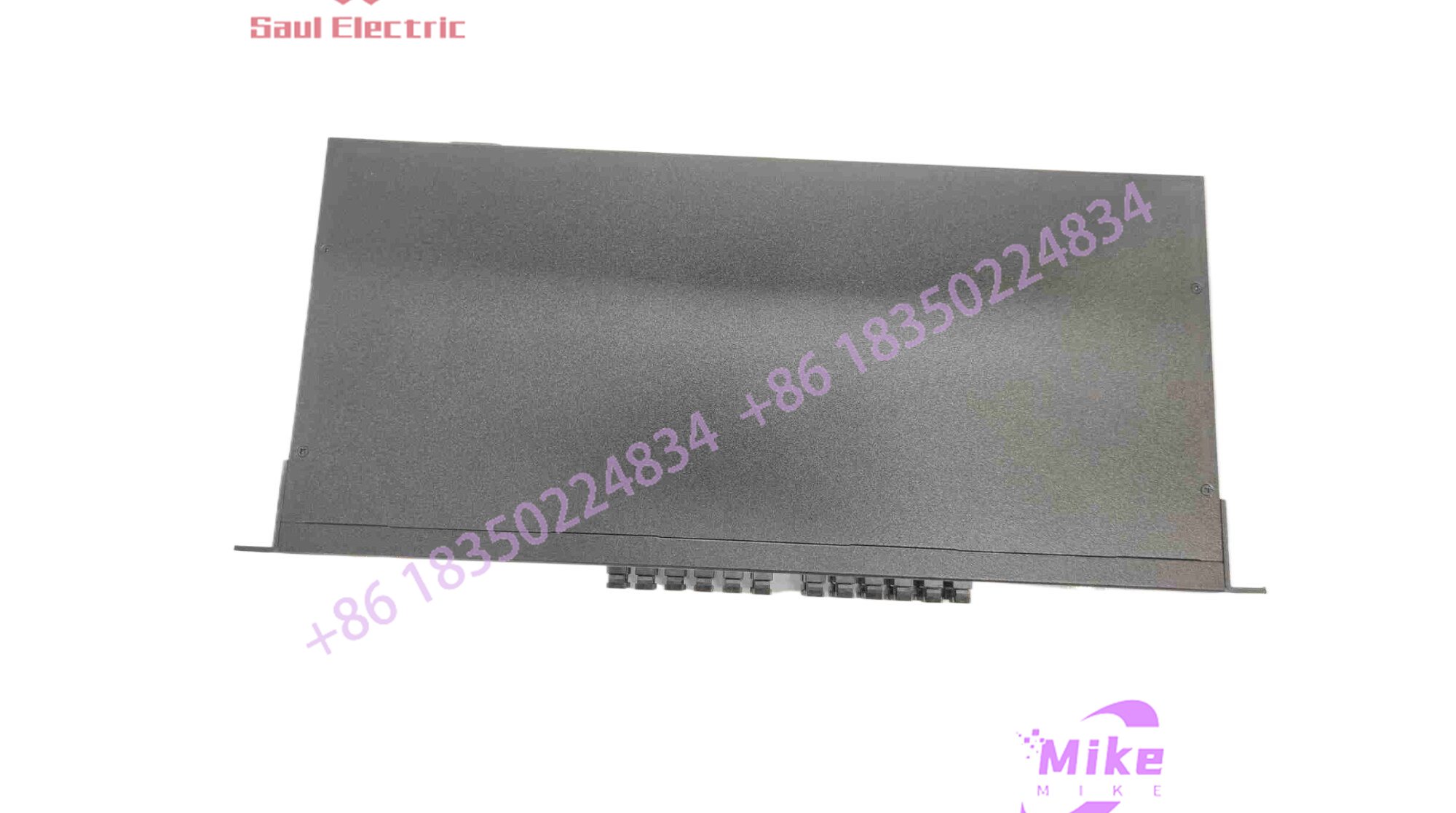
A2H124-24FX
Key Technical Specifications
| Parameter | Specification |
| Manufacturer | Enterasys / Extreme Networks |
| Part Number / Model | A2H124-24FX |
| Product Family | SecureStack A2 Series Switches |
| Primary Port Configuration | 24 x 100BASE-FX Fiber Ports (MTRJ Connectors) |
| Management Type | Fully Managed (CLI, SNMP, Web Interface) |
| Stacking Capability | SecureStack architecture support |
| Operating Temperature | 0°C to +40°C |
| Storage Temperature | -40°C to +70°C |
| Relative Humidity | 10% to 95% non-condensing |
Field Engineer’s Pitfall Guide (Unique Value)
- MTRJ Connector Contamination: Dust or microscopic oil residue on the MTRJ optical transceivers will drastically attenuate light signals, resulting in erratic link drops or complete port failure. Always inspect and clean optical ends.
- Firmware Version Mismatches in Stacks: When adding a replacement A2H124-24FX to an existing active stack, failing to match the firmware revision level can cause stack synchronization failures and split-brain scenarios.
- Improper Uplink/Stacking Cable Locking: Forcing or failing to fully latch the high-speed stacking cables can cause intermittent backplane packet loss, triggering sudden spanning tree topology recalculations across the network.
QA & Testing SOP (Transparency)
- Visual & Origin Verification: Units are inspected for authentic Enterasys/Extreme Networks labeling, intact housing integrity, and clean optical transceiver ports.
- Port-by-Port Optical Loopback Testing: Every 100FX port is tested using calibrated fiber loopback cables to verify bit-error-free packet transmission and MAC address learning at wire speed.
- Management & Firmware Verification: Units undergo boot-loader testing, flash memory validation, and configuration reset to factory default states via console and Ethernet management ports.
- Anti-Static & Secure Packaging: Post-testing, units are wrapped in static-dissipative material and packed in heavy-duty foam-lined cartons to protect optical interfaces during freight transit.
Technical FAQ
- Can this switch operate in standalone mode, or is stacking mandatory? It operates perfectly as a standalone managed switch, while also supporting Enterasys SecureStack daisy-chaining when expansion is required.
- What type of fiber optic cable is required for the 100FX ports? The MTRJ ports are designed for standard multi-mode fiber optic cable (typically 62.5/125 µm or 50/125 µm core).
- Does this switch support VLAN configuration and port security? Yes. As part of the SecureStack A2 family, it supports robust Layer 2 features including IEEE 802.1Q VLANs, IGMP snooping, and IEEE 802.1X port-based authentication.
- What warranty is provided with a surplus unit? Units carry a standard 12-month replacement warranty backed by complete optical port and management bench testing.





