


Description
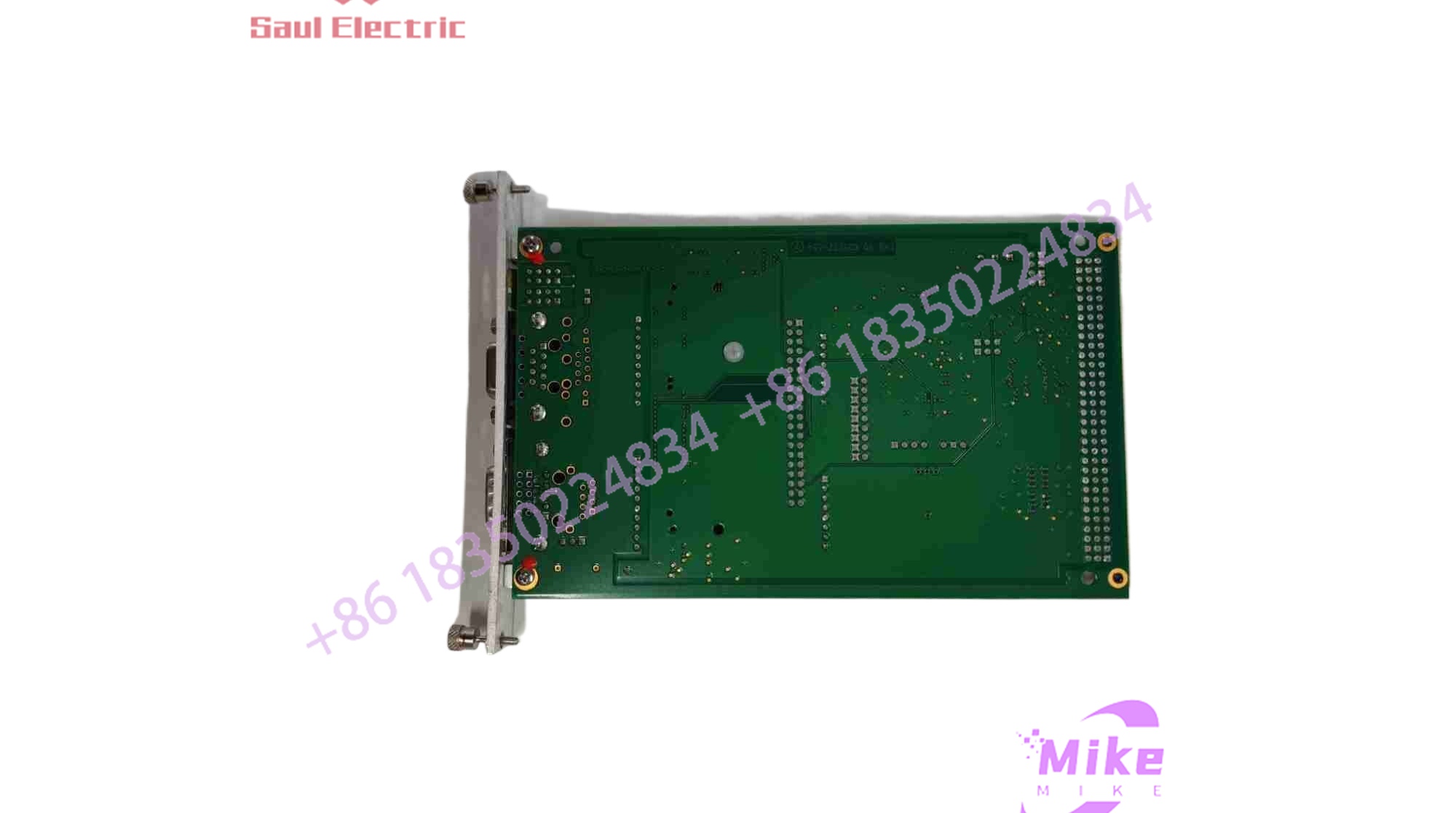
Delta Tau ACC-72E | MACRO Fiber Optic Interface Board
Dynamic Product Introduction
Industrial automation systems distributed across large machine footprints or high-noise electrical environments require communication links that are entirely immune to electromagnetic interference. The Delta Tau ACC-72E solves this by implementing MACRO (Motion And Control Ring Optical) technology within UMAC rack architectures, using fiber optics to link the central Turbo PMAC CPU to remote amplifiers and expansion nodes.
Whether you are retrofitting multi-cabinet gantry systems or extending control loops across heavy manufacturing lines, this board guarantees deterministic data transmission without packet degradation. Maintaining legacy MACRO networks relies on keeping optical connectors pristine and verifying node address ring assignments during hardware swaps.
Key Technical Specifications
| Parameter | Specification Detail |
| Primary Architecture | MACRO (Motion And Control Ring Optical) communications processor |
| System Compatibility | UMAC Turbo, Turbo PMAC, and compatible MACRO station architectures |
| Network Medium | Fiber optic cables (simplex or duplex plastic/glass fiber connectors) |
| Topology | High-speed optical ring network supporting multiple remote nodes |
| Data Bandwidth | Real-time cyclic data exchange for multi-axis position, velocity, and I/O control |
| Form Factor & Mounting | 3U industrial rack-mount module (plugs into backplane expansion port) |
Global Sourcing & Live-Test SOP
Sourcing surplus fiber optic communication cards requires rigorous testing of optical transceivers and internal serialization logic to ensure error-free ring communication:
- Inbound Verification: Board part numbers, layout revisions, and backplane connector pins are audited against authentic Delta Tau build documentation. Optical ports are inspected under magnification for dust or scratching.
- Live Rack Simulation: The card is mounted onto a verified UMAC test backplane connected to an active MACRO ring test rig.
- Diagnostics: We verify optical link lock, test signal attenuation thresholds across fiber jumpers, and confirm that cyclic data packets stream continuously between the CPU and remote nodes without frame drops or communication faults.
- Final Prep: Approved units are cleaned, optical dust caps are installed, and units are sealed in heavy-duty anti-static moisture-barrier bags.
The Field Engineer’s Pitfall Guide
❗ Optical Contamination: Even microscopic dust particles on the fiber optic tips or transceiver windows will cause severe optical signal attenuation, leading to intermittent MACRO ring breaks and sudden drive shutdown errors. Always use optical cleaning swabs before connection.
❗ Exceeding Bend Radius Limits: Forcing fiber optic patch cables into tight cabinet corners introduces micro-bends that scatter light signals, dropping optical power levels below the receiver threshold.
❗ MACRO Ring Address Conflicts: Each node on the optical ring must be configured with a unique hardware or software address. Swapping a replacement ACC-72E unit without aligning your ring position parameters will disrupt the polling sequence of the master controller.
Intent-Driven FAQ
What is the primary purpose of the ACC-72E board?
The ACC-72E acts as a MACRO communication interface, allowing a UMAC controller to communicate with remote servo drives and I/O drops via high-speed fiber optics.
Can the ACC-72E use standard copper network cables?
No. The MACRO interface on this model is specifically engineered for fiber optic transmission to eliminate electrical noise susceptibility over long industrial runs.
Do I need to reconfigure my PMAC project when replacing this board?
If you are replacing an exact, failed hardware match on an established MACRO ring, your network configuration files will communicate immediately once optical links and node addresses are verified.
What causes a MACRO ring communication fault?
Faults are typically triggered by dirty optical connectors, a damaged fiber cable, excessive cable bend radius, or a powered-down remote node breaking the optical loop.
What warranty is included with surplus units?
Every unit shipped from our stock is backed by a comprehensive 12-month operational warranty covering transceiver health, optical signal integrity, and power regulation stability.





