Description
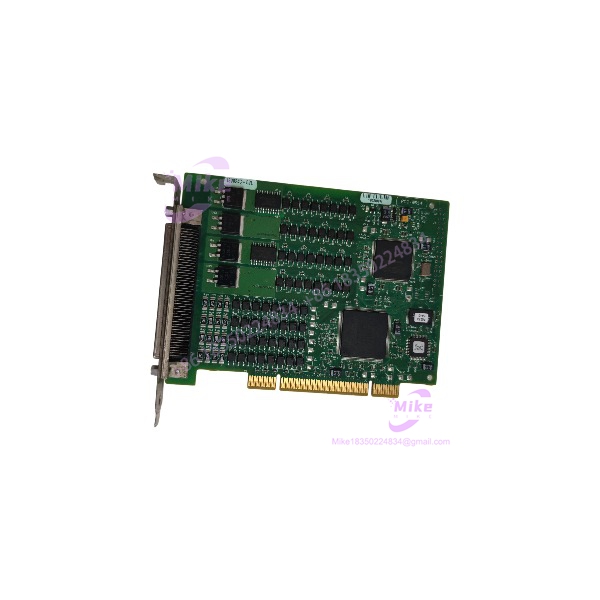
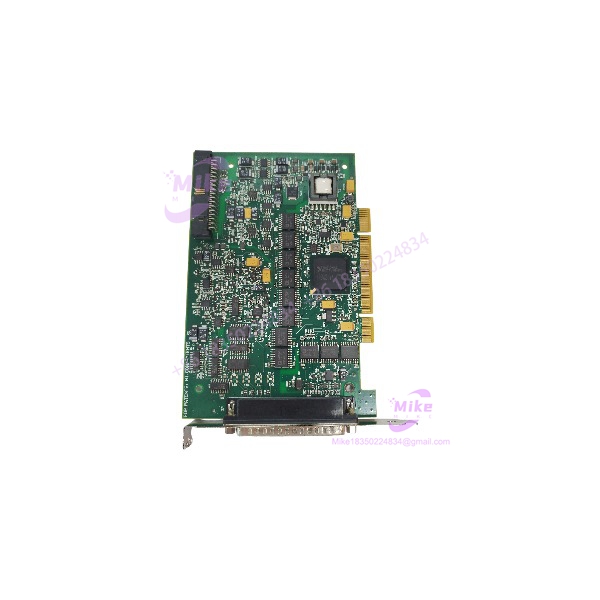
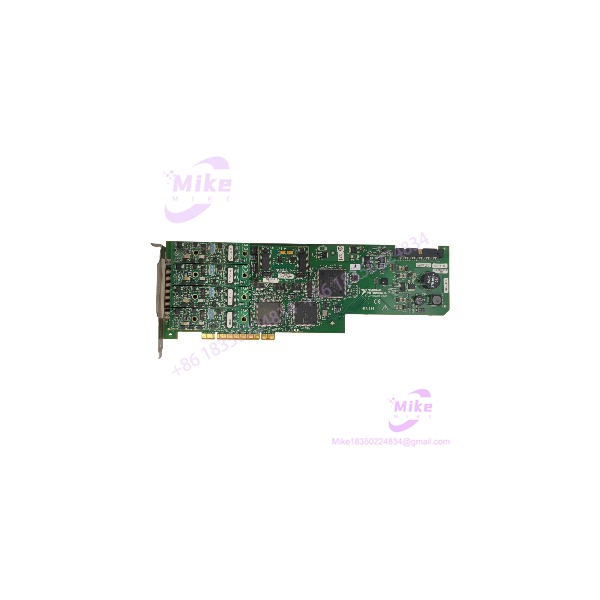
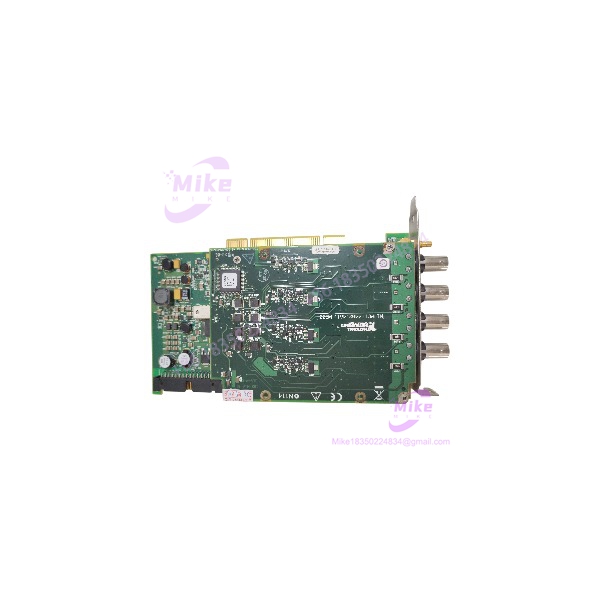
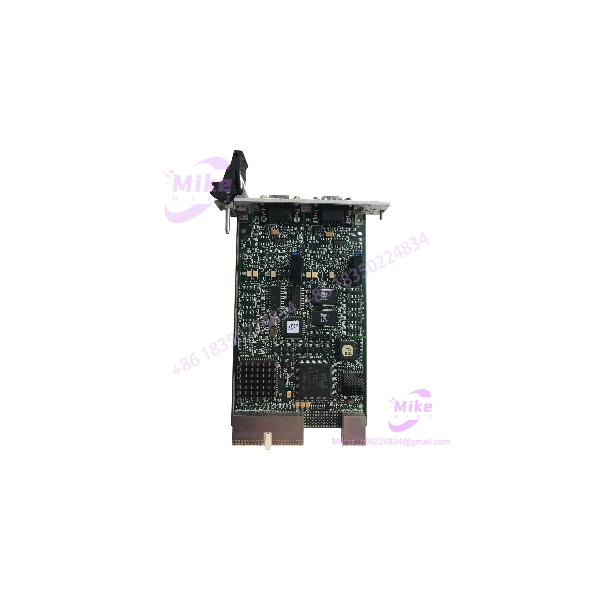
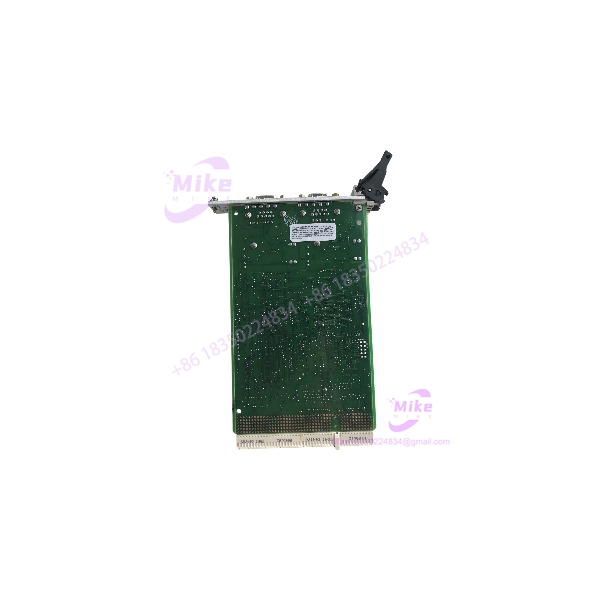
NI PXI-8461 | High-Speed CAN Interface PXI Communication Module
Dynamic Product Introduction
Testing modern electronic control units (ECUs) and automotive sub-assemblies requires high-throughput bus interfaces capable of maintaining frame synchronization under heavy network loads. When legacy HIL test rigs experience dropped CAN frames or optical transceiver failure, replacing the core bus hardware without breaking driver compatibility is essential.
The NI PXI-8461 utilizes an onboard 16-bit microcontroller and a hardware SJA1000 CAN controller to process frames locally on the board, eliminating latency caused by host CPU interrupt handling. Operating fully compliant with ISO 11898 high-speed standards, the PXI-8461 delivers transfer rates up to 1 Mbps while providing 500 V channel-to-bus optical isolation. This hardware-timed frame handling makes the PXI-8461 a crucial component for automotive diagnostic rigs, avionics testing, and industrial fieldbus logging.
PXI-8461
Key Technical Specifications
- CAN Physical Layer: High-Speed CAN (ISO 11898)
- Number of Ports: 1-port (PXI-8461/1) or 2-port (PXI-8461/2) variants
- Max Baud Rate: Up to 1 Mbps per port
- CAN Controller: Philips SJA1000
- Isolation: 500 V channel-to-bus optical isolation
- Onboard Microprocessor: 16-bit processor for local message filtering and timestamping
- Timestamping Resolution: Hardware-timed message logging (1 µs resolution)
- Termination Resistors: Software-selectable onboard termination (120 Ω)
- Bus Interface: Standard 32-bit PXI / CompactPCI slot interface
- Connector Type: 9-pin Male D-Sub (DB-9) per port
Global Sourcing & Live-Test SOP (Transparency Core)
Sourcing legacy industrial communications hardware requires strict physical and logical validation before installation into critical plant rigs.
Inbound Verification & Traceability
- Paperwork Audit: Verification of serial numbers against OEM production logs to guarantee hardware authenticity and prevent gray-market counterfeits.
- Physical Inspection: Comprehensive check of DB-9 port pins, solder joints around isolation transformers, backplane bus contacts, and board trace integrity.
Live Rack Simulation & Diagnostics
- PXI Backplane Verification: Board is loaded into a PXI test chassis to verify PCI bus recognition, memory mapping, and NI-CAN driver enumeration.
- Full-Speed Traffic Test: Connected to a dual-node CAN simulator running continuous transmission at 1 Mbps with 100% bus loading to verify frame filtering and zero packet loss.
- Hardware Timestamping Check: Verifying 1 µs hardware timestamp accuracy against a calibrated logic analyzer during high-density frame bursts.
- 24-Hour Stress Run: Module is placed inside a thermal test chamber while running active CAN bus loops for 24 hours to ensure thermal stability and transceiver durability.
Final Prep
- Firmware Verification: Checking non-volatile configuration EEPROMs and flashing updated factory calibration data.
- ESD Safe Handling: Module is sealed in anti-static shielding bags with moisture absorbers before double-boxed shipping.
The Field Engineer’s Pitfall Guide
- ❗ NI-CAN Driver vs. NI-XNET Compatibility: The PXI-8461 is designed around the legacy NI-CAN driver architecture. While newer NI-XNET driver packages offer legacy abstraction layers, swapping a PXI-8461 into a test stand running native NI-XNET API calls will cause device initialization failures. Verify whether your software stack calls
ncOpen.vi(NI-CAN) ornxCreateSession.vi(NI-XNET) before replacing hardware. - ❗ Missing Bus Termination: High-speed CAN networks operating at 1 Mbps require 120 Ω termination resistors at each end of the bus cable. Leaving the bus un-terminated or enabling software termination on both the PXI-8461 and multiple node endpoints will cause signal reflection, frame error counts to surge, or total network bus-off states.
- ❗ Transceiver Power Requirements: Certain active CAN transceivers require external V+ power on pin 9 of the DB-9 connector. Attempting to drive unpowered external transceivers without verifying power wiring on custom harness builds will prevent communication with target ECUs.
Intent-Driven FAQ
Will replacing my PXI-8461 require me to recompile my LabVIEW application?
No. Hardware replacement is transparent to the software layer as long as the replacement board is placed in the same PXI slot and configured under the same interface name (e.g., CAN1) within Measurement & Automation Explorer (MAX).
Can the PXI-8461 be installed in a PXI Express (PXIe) chassis?
Yes. The PXI-8461 uses a standard 32-bit PXI card edge that is physically compatible with both standard PXI slots and hybrid PXIe chassis slots. It is not compatible with dedicated PXIe-only data slots.
Is the PXI-8461 hot-swappable while the chassis is powered?
No. Standard PXI architecture does not support live hot-swapping. Always power down the PXI chassis completely before removing or installing the PXI-8461 to prevent damage to the backplane edge connectors.
What cable is recommended for connecting the PXI-8461 to a CAN bus?
NI recommends using a standard CAN cable with twisted-pair wiring and a 9-pin female DB-9 connector on each end, matching the ISO 11898 pinout (CAN_L on pin 2, CAN_H on pin 7, and CAN_GND on pin 3).
What warranty coverage comes with replacement PXI-8461 modules?
All fully tested PXI-8461 modules sourced through certified inventory channels include a standard 12-month replacement or repair warranty covering component performance and hardware functional stability.
If you need assistance verifying your NI-CAN driver software stack or checking DB-9 pinout configurations for the PXI-8461, let me know your current setup details and I can assist with the verification.