Description
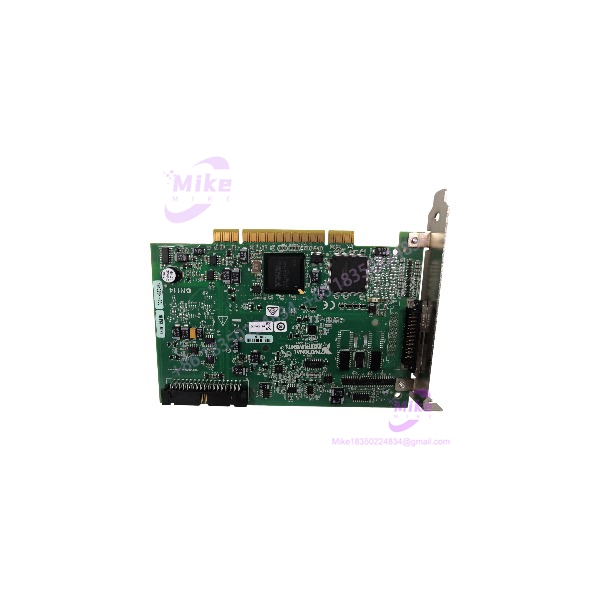
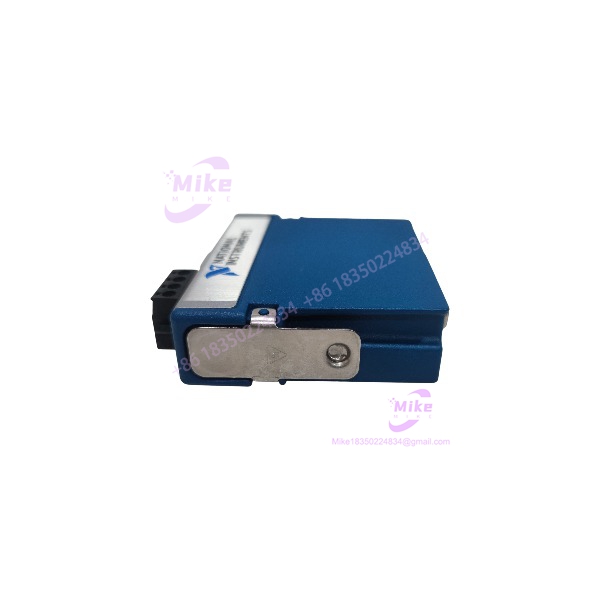
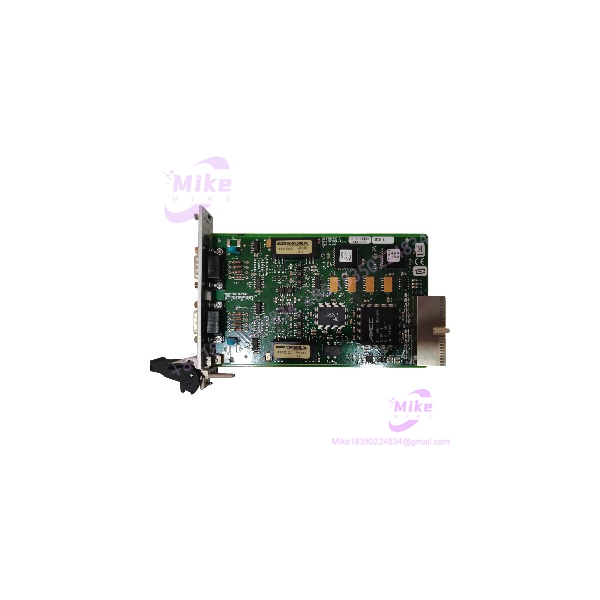
NI PXI-8423 | 8-Port RS-232 Serial Interface PXI Module
Dynamic Product Introduction
Integrating legacy peripherals into automated test rigs often exposes communication bottlenecks when older serial ports fail or lack adequate buffer depth. When industrial monitoring systems require reliable multi-channel RS-232 communication without rewriting software driver architectures, the NI PXI-8423 provides the necessary physical layer connectivity.
Unlike standard desktop serial ports susceptible to host CPU throttling, the PXI-8423 utilizes dedicated onboard controllers and hardware FIFO buffers per channel to handle simultaneous data streams up to 921.6 kbps. This hardware-managed buffering prevents data overruns during intensive logging sessions, making the PXI-8423 an essential component for communicating with barcode scanners, power meters, and custom embedded controllers across complex test cells.
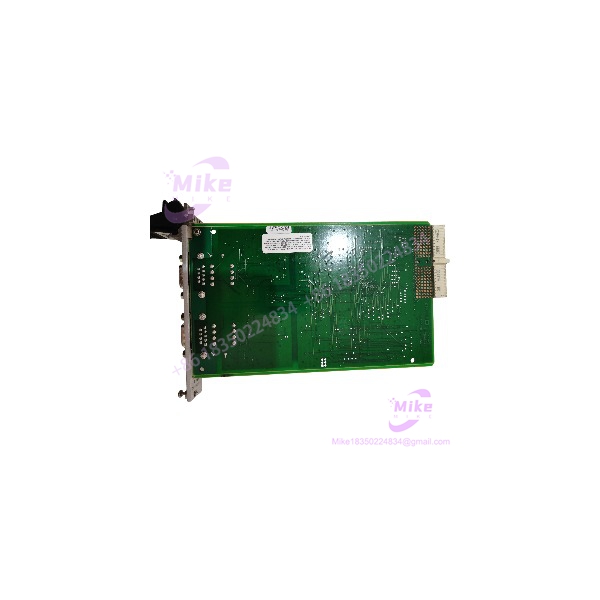
PXI-8423
Key Technical Specifications
- Serial Standard: RS-232 (TIA/EIA-232)
- Number of Ports: 8 independent serial ports
- Maximum Baud Rate: Up to 921.6 kbps per port
- Data Buffers: 64-byte transmit and receive FIFOs per port
- Flow Control: Hardware (RTS/CTS) and Software (XON/XOFF) support
- Bus Interface: Standard 32-bit PXI / CompactPCI slot interface
- Connector Type: Single 68-pin female VHDCI connector (breaks out via compatible cable/terminal block)
- Operating Systems: Supported under standard NI-Serial driver suites for Windows and Linux
Global Sourcing & Live-Test SOP (Transparency Core)
Maintaining legacy communication hardware requires strict diagnostic validation to ensure stable field operation across multi-drop serial networks.
Inbound Verification & Traceability
- Paperwork Audit: Verification of serial numbers against OEM manufacturing logs to confirm batch authenticity and prevent counterfeit distribution.
- Physical Inspection: Comprehensive examination of the 68-pin VHDCI connector, backplane power pins, surface-mount UART transceivers, and ESD shielding enclosures.
Live Rack Simulation & Diagnostics
- PXI Backplane Verification: Module is placed into an active PXI chassis to verify PCI address space allocation, bus recognition, and driver handshake.
- Loopback & Baud Rate Testing: Connected to an automated serial breakout test bench running simultaneous multi-port full-duplex traffic at maximum baud rates (921.6 kbps).
- FIFO Buffer Stress Run: Continuous packet generation and transmission tests across all 8 ports for 24 hours inside a thermal test chamber to detect frame errors, parity drops, or thermal drift.
Final Prep
- Firmware Checks: Verification of non-volatile configuration EEPROMs.
- ESD Safe Packaging: Sealed in anti-static shielding bags with moisture protection before being double-boxed for secure transit.
The Field Engineer’s Pitfall Guide
- ❗ Driver Stack Mismatches: When replacing an older serial module, verify that your NI-Serial driver version supports the exact board revision. Upgrading operating systems without verifying driver compatibility can cause ports to unmap or fail enumeration in Measurement & Automation Explorer (MAX).
- ❗ Incorrect Breakout Cable Pinouts: The PXI-8423 uses a high-density 68-pin VHDCI connector. Using an unshielded or incorrectly wired breakout cable instead of an official NI accessory (such as the SH68-8MIDI) will cross transmit and receive lines, resulting in complete communication failure.
- ❗ RS-232 Distance Limitations: Remember that RS-232 is designed for point-to-point communication over shorter distances (typically under 15 meters at high baud rates). Running long unshielded cable runs directly from the terminal block without signal repeaters will induce electromagnetic interference and frame dropouts.
Intent-Driven Expansions & FAQ
Will swapping out the PXI-8423 break my existing LabVIEW serial VISA resource names?
If you replace the card in the same PXI slot using the same NI-Serial driver configuration, MAX generally preserves the assigned VISA alias names (e.g., ASRL1::INSTR). However, always verify resource mappings in MAX after hardware replacement to ensure communication paths match your application code.
Can the PXI-8423 be used in a PXI Express (PXIe) chassis?
Yes. The PXI-8423 features a standard 32-bit PXI connector that fits into standard PXI slots as well as hybrid PXIe timing and peripheral slots. It is not compatible with dedicated PXIe-only data slots.
Is the PXI-8423 hot-swappable during system operation?
No. Standard PXI architecture does not support live hot-swapping unless explicitly designed into a specialized chassis. Always power down the system before inserting or removing the module.
What breakout accessories are recommended for the PXI-8423?
NI offers dedicated multirate cables (such as the SH68-8MIDI) that convert the single 68-pin VHDCI connector into 8 individual DB-9 male serial ports for easy connection to standard serial devices.
What warranty coverage is included with replacement hardware?
Verified PXI-8423 modules sourced through certified inventory channels include a standard 12-month full replacement or repair warranty covering component performance and functional reliability.
If you need help identifying the correct breakout cable model or verifying your NI-Serial driver version for the PXI-8423, let me know your current setup and I can walk you through the configuration steps.