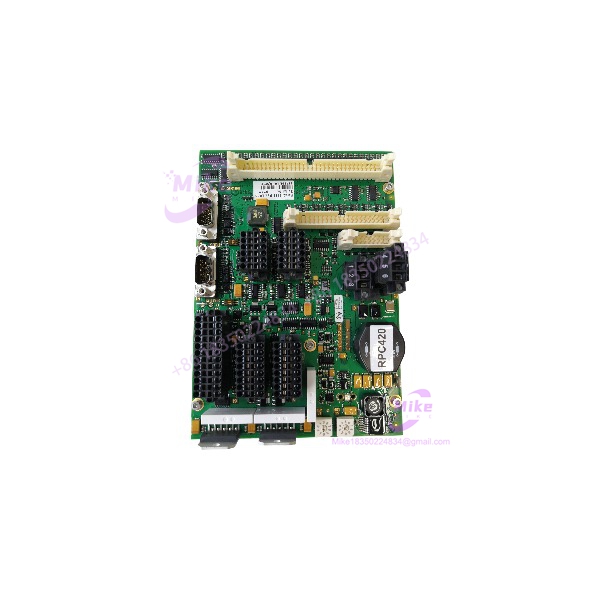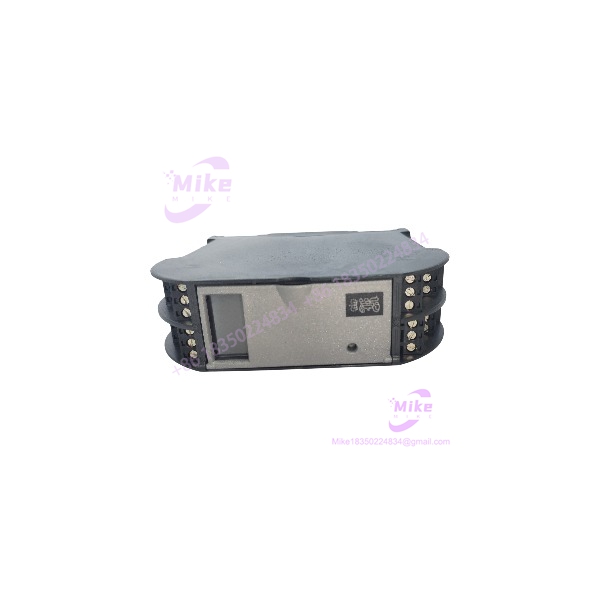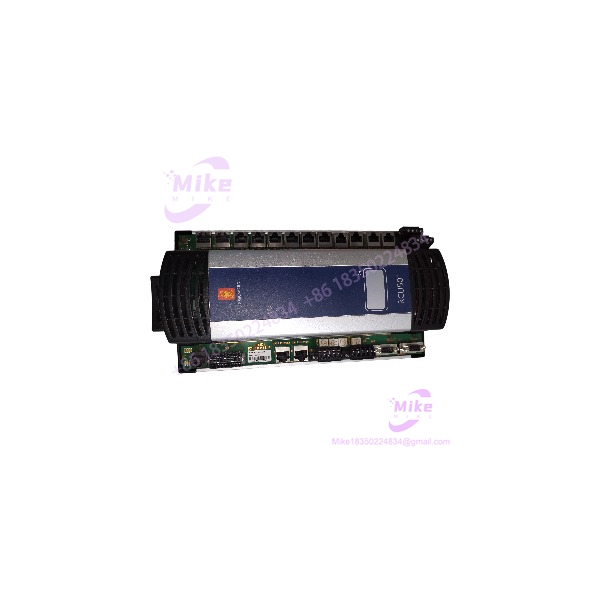

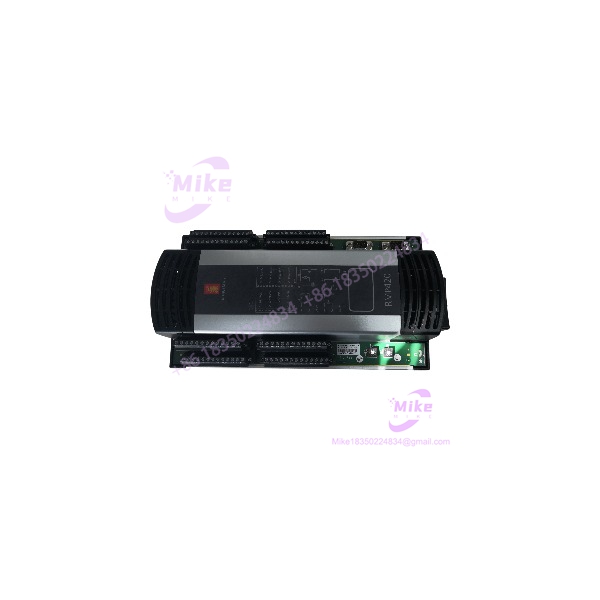
Description
KONGSBERG RMP420 | Remote Processing Unit | In-Stock
Dynamic Product Introduction
Scaling up field telemetry in modern vessel automation architectures requires edge processing nodes capable of executing complex control loops without overloading central processing units. The KONGSBERG RMP420 delivers high-density signal aggregation designed for high-availability marine backplanes. Installing a fully load-tested KONGSBERG RMP420 prevents data packet loss, ensuring that real-time sensor feedback from thrusters, engine management, and navigation systems reaches central controllers without micro-delays.
Engineered to endure severe maritime operating conditions, the KONGSBERG RMP420 incorporates high-grade conformal coating on optics and electronics to resist salt air, thermal cycling, and continuous hull vibration. Its dual-power feeding architecture guarantees uninterrupted node execution even if a primary 24 V DC power rail drops out. For marine system integrators and chief engineers carrying out scheduled dry-dock overhauls or urgent at-sea replacements, this module provides a dependable drop-in path that meets strict classification society standards.
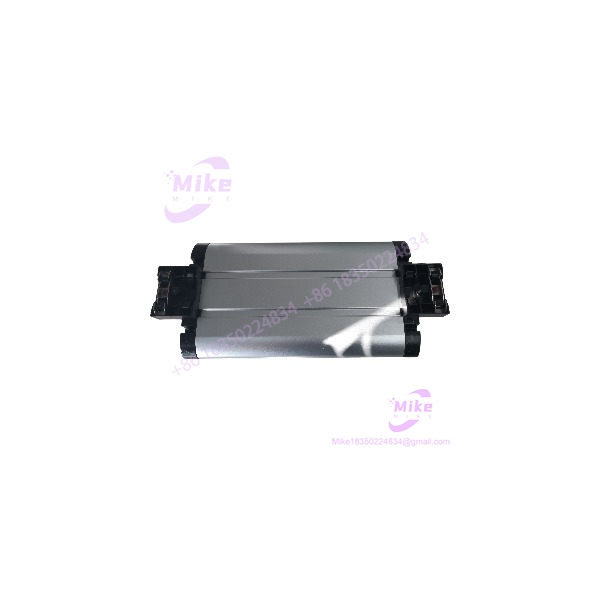
RMP420
Key Technical Specifications
- Model Identification: KONGSBERG RMP420
- Module Type: High-Capacity Remote Multi-Purpose Controller / I/O Node
- Operating Voltage: Dual 24 V DC inputs (18 V DC to 32 V DC operational range)
- Current Consumption: Nominal 480 mA at 24 V DC
- Isolation Level: 1500 V RMS channel-to-bus galvanic isolation
- Operating Temperature: -15°C to +70°C (5°F to 158°F)
- Enclosure Rating: IP20 DIN-rail or baseplate chassis mounting
- Communication Protocols: Kongsberg Proprietary High-Speed Serial Ring / Fieldbus Interface
Global Sourcing & Live-Test SOP (Transparency Core)
To ensure zero-defect deployments aboard active commercial vessels, every unit undergoes a strict multi-stage physical and electrical testing protocol prior to dispatch:
- Inbound Verification: Serial numbers are cross-referenced against OEM trace databases, structural integrity of terminal connectors is inspected, and conformal coating quality is checked under UV light.
- Live Simulation: The module is installed inside an authentic Kongsberg test chassis to verify protocol initialization and real-time controller polling handshakes.
- Diagnostics: Multi-channel loopback tests are conducted while injecting continuous high-frequency noise to confirm signal filtering and processing stability across all fieldbus ports.
- Environmental Thermal Burn-In: The unit undergoes a 24-hour continuous burn-in cycle at 55°C inside an environmental chamber while carrying active bus loads.
- Final Prep: Onboard hardware revisions are logged, edge connector pins receive protective anti-corrosion treatments, and the unit is sealed inside static-shielded moisture-barrier packaging.
The Field Engineer’s Pitfall Guide
Marine Power Rail & Earthing Hazard
Ensure both primary and secondary 24 V DC supply feeds originate from properly isolated, grounded marine power supplies to prevent ground loops across the fieldbus shield plane.
❗ Node Address & Rotary Switch Misconfiguration: Swapping the KONGSBERG RMP420 without mirroring the original module’s physical DIP switch settings or software node ID prevents central processor recognition. Always document DIP switch positions prior to removing the legacy module from the rack baseplate.
❗ Improper Backplane Seating: Uneven mechanical pressure during installation can bend backplane interface connector pins inside the mounting socket. —In field deployments, I’ve seen a vessel commissioning delayed by two full days because a technician jammed an RMP-series module into a crowded rack, shorting a power pin across the communication bus.
❗ Vibration-Induced Terminal Block Loosening: High-vibration locations near main engine rooms cause screw terminals to back out over time. Always verify terminal screw torque or utilize spring-clamp connectors to prevent signal dropouts during sea trials.
Intent-Driven FAQ
What is the functional evolution between the KONGSBERG RMP420 and earlier RMP400 series units?
The KONGSBERG RMP420 incorporates upgraded onboard memory arrays and faster internal processing logic, enabling higher data throughput while remaining backward compatible with existing RMP400 series mounting bases.
Will swapping out the KONGSBERG RMP420 affect running dynamic positioning loops?
Replacing a live controller module should only be performed while the vessel is in a safe operational state or when redundant control paths are verified active. Always transfer control to secondary systems prior to unseating power or bus cables.
How do I confirm power rail redundancy is operating on the module?
Check the front-panel status LEDs. The KONGSBERG RMP420 features dedicated status indicators for both primary and secondary 24 V DC inputs; a missing LED immediately signals a blown line fuse or power supply failure. (Verification: Both PWR 1 and PWR 2 LEDs illuminate solid green.)
Does this module require manual software flashing before installation?
In most standard replacement scenarios, the KONGSBERG RMP420 functions as an I/O node whose operating parameters are automatically configured by the central processor upon bootup, provided the physical node address matches.
What standard warranty applies to reconditioned or factory-sealed surplus units?
All reconditioned and factory-sealed units include a comprehensive 1-year replacement warranty covering internal processor stability, power circuit integrity, and bus communication performance.