


Description
Honeywell DCP71150C012010H0 | Digital Control Platform Core Category
Dynamic Product Introduction
Replacing high-precision multi-loop process controllers in critical thermal and chemical processing lines requires robust instrumentation capable of executing complex control profiles without drift or program corruption. Honestly, the Honeywell DCP71150C012010H0 (DCP700 Series) solves this challenge directly by delivering native multi-loop PID and profiling control engineered specifically for demanding industrial applications. This unit manages intricate ramp-soak profiles and tight loop regulation smoothly, eliminating batch inconsistencies (—though verifying your exact model option code string, sensor scaling, and power supply voltage beforehand is vital). Compared to generic alternatives, the Honeywell DCP71150C012010H0 preserves system configuration compatibility and panel cutout dimensions, preventing costly rewiring or downtime during maintenance windows.
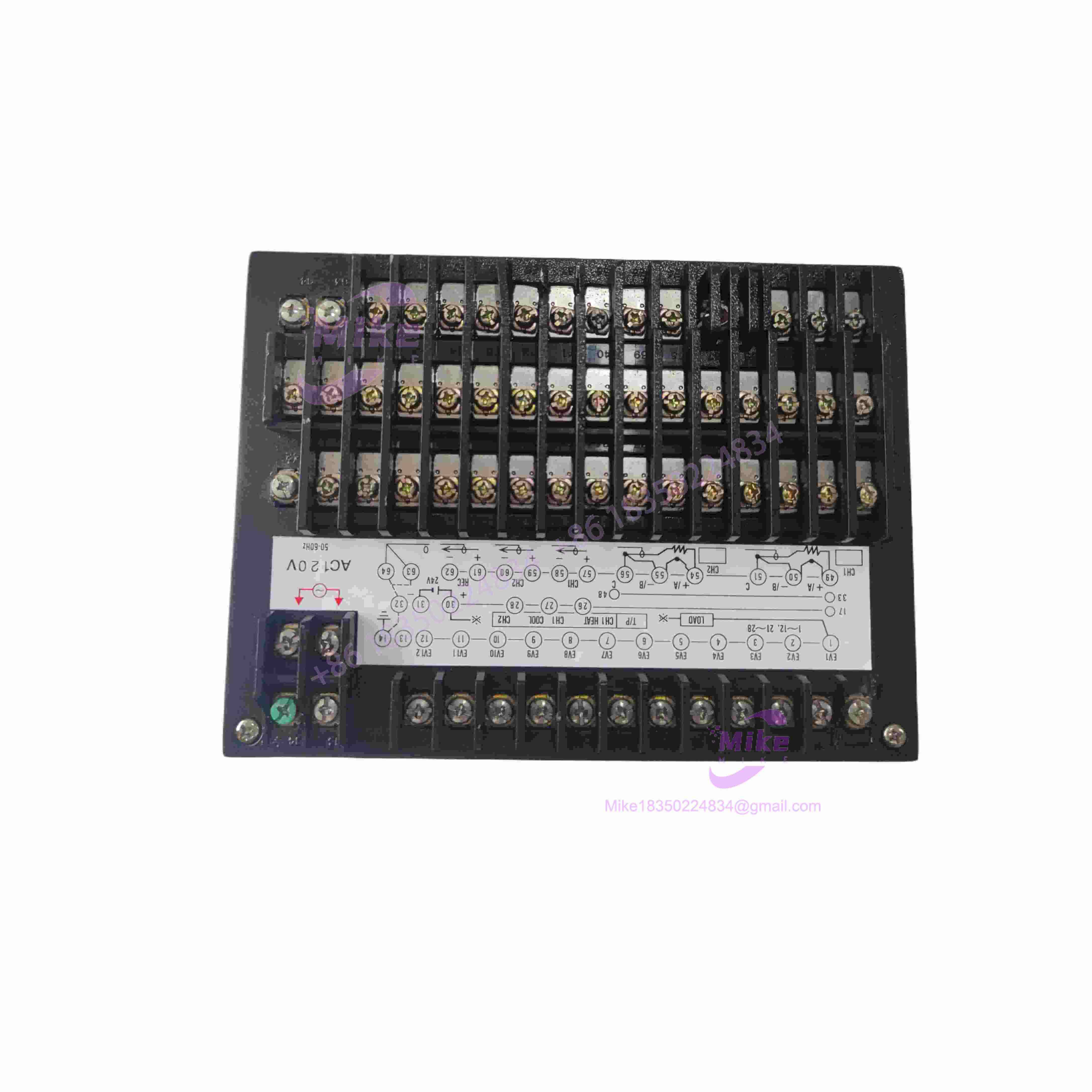
DCP71150C012010H0
Key Technical Specifications
| Specification | Parameter Value |
| Product Series | Honeywell DCP700 Digital Control Platform Line |
| Model Designation | DCP71150C012010H0 |
| Control Functionality | Advanced multi-loop PID control, ramp/soak profiling, and logic sequences |
| Input Configuration | Universal analog inputs (Thermocouple, RTD, mA, V) and digital I/O |
| Display & Interface | High-contrast multi-line operator display with status indicators |
| Operating Environment | 0°C to 50°C industrial standard compliance |
| Enclosure & Mounting | Standard industrial panel-mount enclosure format |
| Diagnostics | Built-in hardware self-check, watchdog timer, and error logging |
Global Sourcing & Live-Test SOP (Transparency Core)
Acquiring secondary-market industrial process controllers requires rigid electronic evaluation to ensure internal microprocessors, A/D converters, and communication links haven’t drifted or suffered from electrical transients. For every inbound Honeywell DCP71150C012010H0 unit, our audit team logs serial numbers against global OEM traceability ledgers and inspects rear terminal blocks, housing clips, and display membranes for wear or damage.
Once cleared, the unit is mounted onto an active process simulation test bench. Technicians apply nominal supply voltage, simulate universal thermocouple/RTD inputs across varying ranges, verify control output switching linearity, and run a 24-hour thermal burn-in cycle. The unit is then cleaned, fitted with terminal dust covers, and sealed inside an anti-static moisture-barrier bag.
The Field Engineer’s Pitfall Guide
❗ Line Voltage Wiring Errors: Connecting 120/240VAC line power to low-voltage DC variant terminals will instantly destroy the internal power supply and main circuit board. Always cross-reference the exact model code on the rating label.
❗ Sensor Shield Grounding Omissions: Failing to properly ground analog signal and thermocouple cable shields can introduce electrical noise into the measurement circuit, causing erratic Process Variable (PV) fluctuations.
❗ Over-Torquing Terminal Screws: Applying excessive torque to the rear screw terminals can strip the housing inserts or crack the terminal block assembly. Always tighten connections to manufacturer specifications.
Intent-Driven FAQ
- Does the Honeywell DCP71150C012010H0 support multi-loop ramp-soak programming?Yes, the DCP700 series is specifically engineered for advanced profile control, allowing complex multi-segment ramp and soak thermal execution.
- Is the unit cutout compatible with standard panel upgrades?Yes, it adheres to standard industrial panel cutout dimensions designed for the DCP series, making direct replacements straightforward.
- What type of warranty covers surplus Honeywell controllers?Verified secondary-market inventory includes a comprehensive 1-year operational warranty backed by our pre-shipment bench-test and calibration logs.
- Can I repair internal component faults on this controller myself?Component-level repair is strongly discouraged due to multi-layer surface-mount construction and precise calibration standards; always rely on certified replacements.
- How do I verify if a replacement unit has been bench-tested?Look for serialized QA verification stickers, clean unmarred screw terminals, and accompanying test reports included in the packaging.





