


Description
Honeywell 51403645-100 | TDC 3000 System Component, In Stock
Architect’s Product Breakdown
The Honeywell 51403645-100 operates as an essential processing and routing component within industrial automation racks, managing deterministic data traffic between disparate system nodes. Its primary function involves executing low-level communication protocols and translating backplane signals to ensure synchronized operation across connected I/O and controller cards. Maintaining uncorrupted data packets through this module is vital for avoiding dropped control loops and unexpected process shutdowns.
Replacing this hardware requires strict adherence to system configuration and backup procedures. Engineers must ensure that firmware revision levels match the surrounding architecture to prevent bus arbitration faults during initialization. Inspecting the physical backplane connectors for oxidation or debris prior to insertion is critical, as high-resistance edge connections will trigger recurring communication watchdog trips.
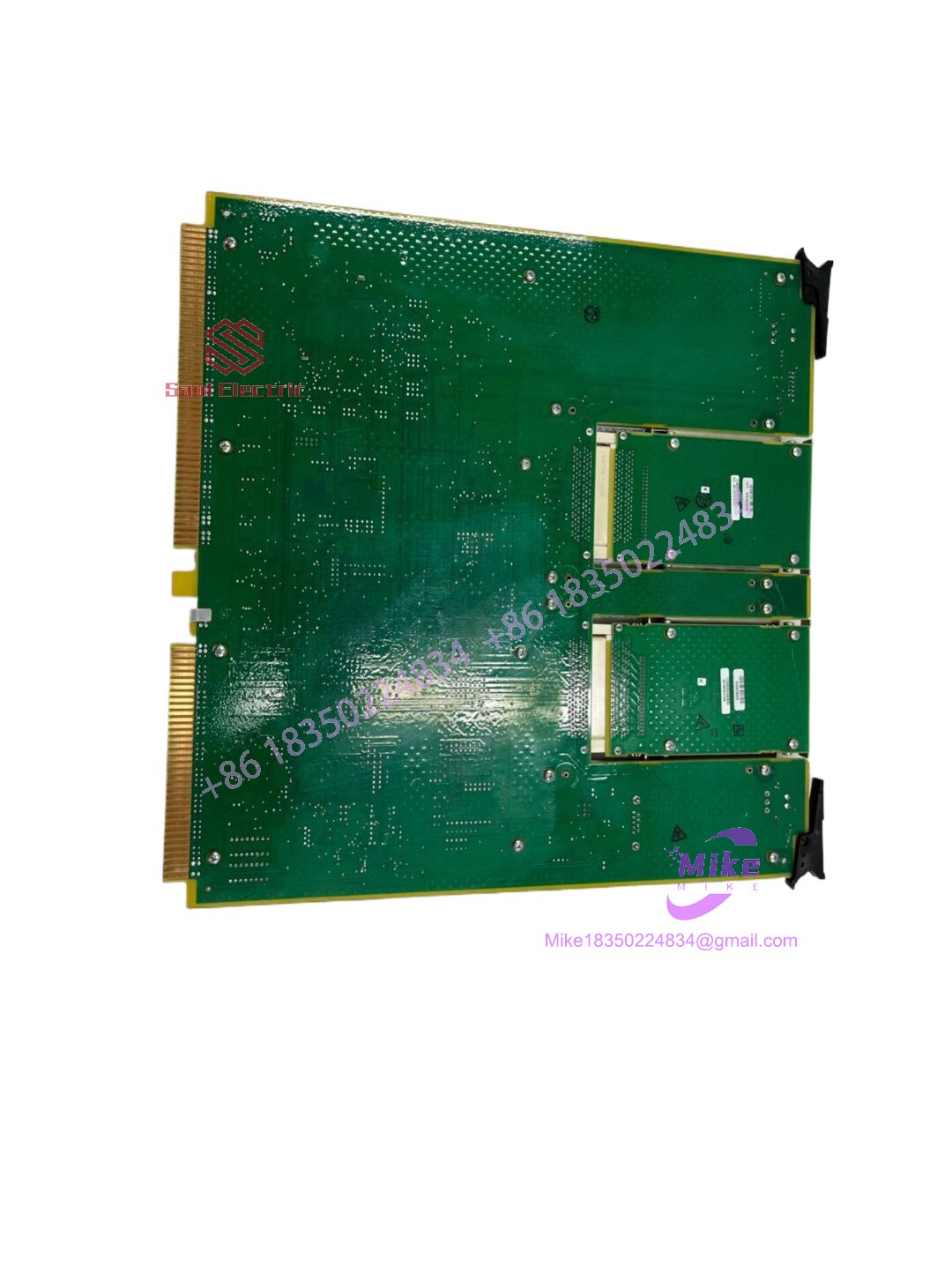
51403645-100
Key Technical Specifications
| Parameter | Specification |
| Manufacturer | Honeywell |
| Part Number | 51403645-100 |
| Module Type | Control / Interface Module |
| Mounting Type | Rack Chassis Backplane Slot |
| Operating Voltage | Standard internal rack DC rails |
| Diagnostic Indicators | Communication and module health LEDs |
| Operating Temperature | 0°C to +60°C |
| Storage Temperature | -40°C to +85°C |
| Relative Humidity | 5% to 95% non-condensing |
| Enclosure Compatibility | Standard industrial automation chassis |
Field Engineer’s Pitfall Guide (Unique Value)
- Backplane Pin Misalignment: Forcing this module into a chassis slot without proper guiding can bend delicate backplane pins, resulting in intermittent electrical contact and difficult-to-diagnose system faults.
- Firmware Revision Mismatches: Dropping a new hardware revision into an older rack without verifying system compatibility tables can cause bus communication lockups. I once spent an entire night shift troubleshooting a persistent watchdog fault that vanished instantly after flashing the rack controller to match the new module’s build index.
- Static Discharge Vulnerability: Handling the circuit board without a grounded wrist strap in low-humidity environments can instantly damage sensitive on-board transceiver chips.
QA & Testing SOP (Transparency)
- Visual & Origin Verification: Units undergo microscopic inspection for authentic OEM branding, solder integrity, and zero signs of physical damage or component wear.
- Test Bench Simulation: The module is inserted into a live test chassis, undergoing continuous communication handshake loops and thermal stress cycles.
- Signal Handshake Validation: Technicians verify data packet error rates, interrupt response times, and diagnostic LED functionality using calibrated test benches.
- Anti-Static Packaging: Post-testing, units are sealed inside moisture-barrier static-shielding bags complete with protective foam padding.
Technical FAQ
- Can I hot-swap this module while the process is running? No. Always de-energize the rack before extracting or inserting this card to prevent electrical arcing and data corruption on the backplane bus.
- Does this unit store configuration parameters locally? System logic and configuration parameters are handled by the primary controller, though minor hardware registers reside on the board itself.
- What causes immediate communication timeouts after installation? This typically points to an incomplete seating of the edge connector or an unacknowledged hardware configuration mismatch in the software project.
- What warranty is provided with a surplus unit? Units carry a standard 12-month replacement warranty backed by comprehensive bench testing.





