


 DCS Center
Description
Honeywell 51401497-100 | Dual Node Power Supply, New Surplus
Architect’s Product Breakdown
The Honeywell 51401497-100 functions as a heavy-duty dual-node power supply engineered specifically for Honeywell TDC 3000 processing environments. Its primary responsibility involves converting primary plant line voltage into tightly regulated DC rails capable of supporting redundant node configurations without interruption. Maintaining clean, low-ripple power distribution is essential for preventing random memory faults and watchdog timeouts across legacy process control files.
Replacing this power supply requires rigorous inspection of cabinet thermal management and input wiring integrity. Because dual-node configurations handle high electrical loads, any degradation or loose termination on the main AC/DC input blocks can induce voltage sag under transient conditions. Maintenance engineers must also verify that the chassis ventilation paths remain unobstructed, as heat buildup is the primary catalyst for electrolytic capacitor degradation in these units.
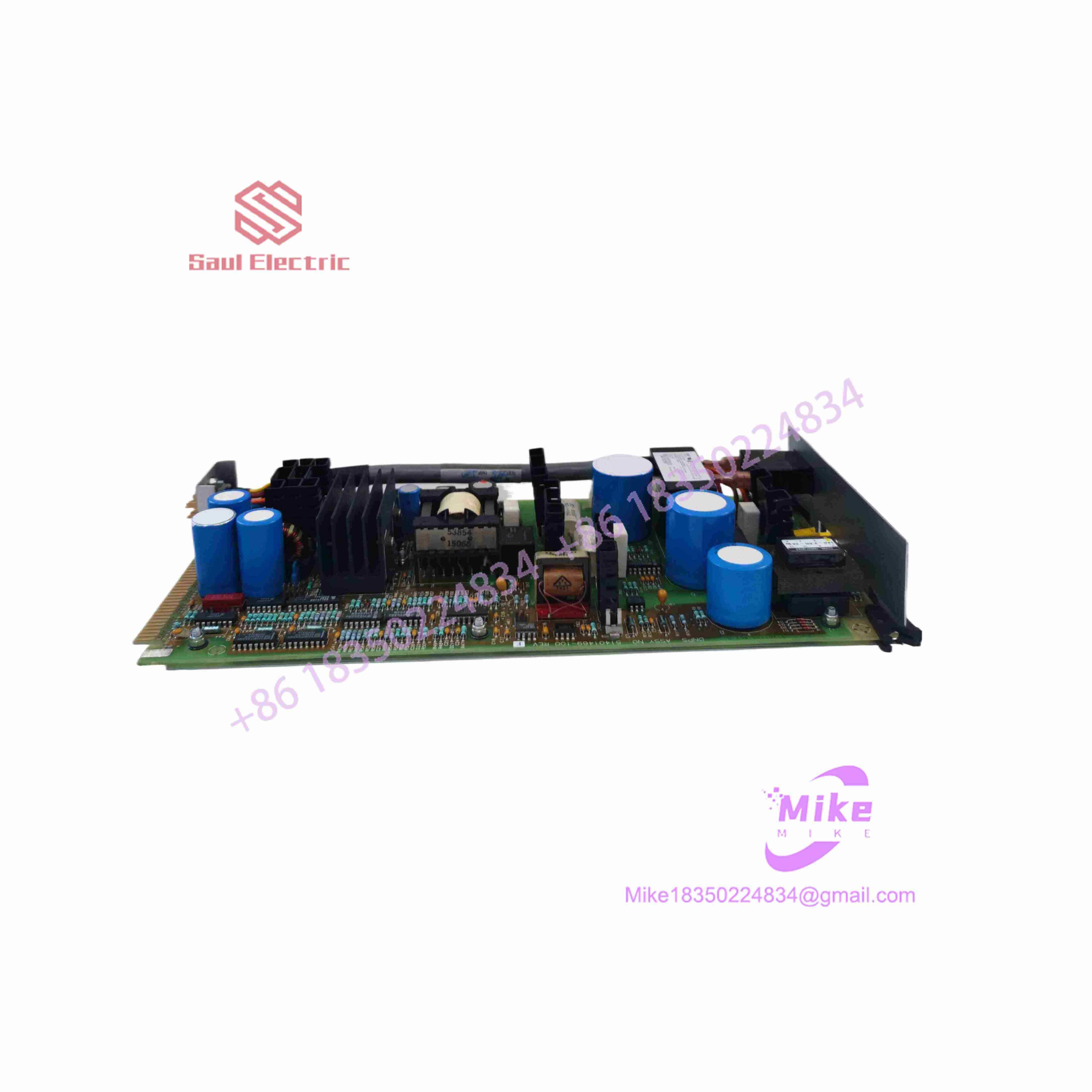
51401497-100
Key Technical Specifications
| Parameter | Specification |
| Manufacturer | Honeywell |
| Part Number | 51401497-100 |
| Module Type | Dual Node Power Supply Module |
| Compatible Architecture | Honeywell TDC 3000 Systems |
| Mounting Type | Chassis / Cabinet Rack Mount |
| Input Requirements | Standard industrial supply rails |
| Diagnostic Indicators | Operational status and rail health LEDs |
| Operating Temperature | 0°C to +60°C |
| Storage Temperature | -40°C to +85°C |
| Relative Humidity | 5% to 95% non-condensing |
Field Engineer’s Pitfall Guide (Unique Value)
- Terminal Block Torque Neglect: Loose primary input screw terminals create high-resistance micro-arcs, leading to thermal stress and voltage flicker under dual-node load transients. Always use a calibrated torque tool.
- Shelf-Aging of Bulk Capacitors: Power supplies sitting unpowered in warehouse inventory for extended periods can experience dielectric breakdown when suddenly slammed with full line voltage. Use a variable source to ramp voltage if the unit has been sitting long-term.
- Chassis Ground Disconnects: Failing to secure the heavy braided chassis ground strap introduces high-frequency noise into the control rack, resulting in sporadic communication faults across connected controller nodes.
QA & Testing SOP (Transparency)
- Visual & Origin Verification: Units undergo rigorous physical checks for authentic OEM stamps, terminal block cleanliness, and the total absence of component scorching or leakage.
- Test Bench Simulation: The power supply is mounted on a live dual-node load test rig, operating continuously near maximum capacity to verify thermal equilibrium and voltage rail rigidity.
- Ripple & Noise Analysis: Oscilloscopes monitor output ripple under dynamic load steps to ensure performance stays well within strict industrial engineering limits.
- Anti-Static Packaging: Post-testing, units are secured in heavy-duty static-dissipative materials and packed with high-density cushioning to prevent transit damage.
Technical FAQ
- Can I hot-swap this dual node power supply while the process is running? No. Always de-energize and lock out the main input power feeds before extracting or wiring this unit to prevent severe electrical arcing and backplane damage.
- What indicates an internal failure on this power supply? Total loss of DC output rails, unlit diagnostic health LEDs, or an immediate tripping of the primary input circuit protection.
- Does this unit require forced-air cooling fans? It relies primarily on natural convection cooling through the enclosure design, making proper vertical cabinet spacing and louver maintenance mandatory.
- What warranty is provided with a surplus unit? Units carry a standard 12-month replacement warranty backed by full-load bench verification testing.





