

Description
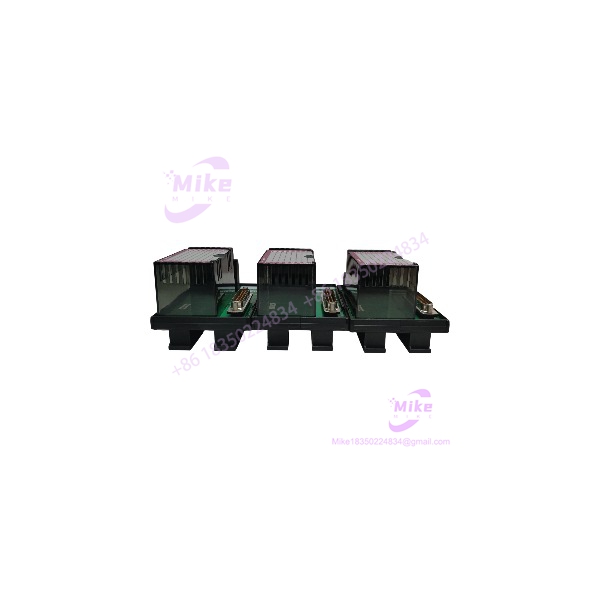
Foxboro RH916XG | Ships Today Factory Surplus TA Module
Dynamic Product Introduction
Instrumentation engineers and DCS maintenance technicians managing Foxboro I/O subsystems know how vital reliable signal termination and channel isolation are for analog measurement loops. When a termination assembly linked to an 8-channel analog input FBM suffers terminal block damage, corroded screw inserts, or trace degradation, replacing the unit with an exact part number match ensures field wiring integrity without requiring a complete cabinet rewire.
The Foxboro RH916XG is a specialized Termination Assembly engineered to interface directly with the Compact FBM201 series (8-Channel Analog Input Module). Mounted on standard DIN rail inside the I/O cabinet, the RH916XG receives field analog signals (such as 0–20 mA loops) and routes them securely to the baseplate and FBM module via structured interconnect cabling, maintaining individual channel isolation and noise immunity.
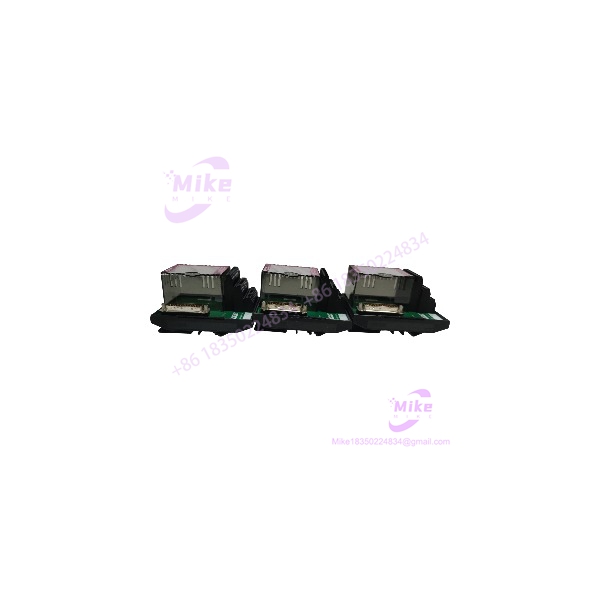
RH916XG
Key Technical Specifications
- Module Classification: Analog Input Field Signal Termination Assembly (TA)
- Associated FBM Module Compatibility: Foxboro Compact FBM201 (8-Channel Analog Input Module, supporting 0–20 mA DC passive feedthrough configurations)
- Termination Type: Heavy-duty compression screw terminal blocks
- Signal Configuration: Passive feedthrough with channel-to-channel isolation support matching FBM201 architecture
- Interconnection Interface: Multi-conductor D-sub / ribbon cable header linking to the FBM baseplate
- Mounting Configuration: DIN rail mountable (cabinet hardware installation)
- Operating Temperature Range: -20 °C to +50 °C industrial cabinet rating
Global Sourcing & Live-Test SOP (Transparency Core)
Sourcing replacement DCS termination assemblies requires strict electrical isolation, loop continuity, and terminal block mechanical verification.
Inbound Verification & Traceability
- Paperwork Audit: Verification of part number tags, revision codes (e.g., Rev. 0A), and manufacturing traceability against Foxboro quality documentation.
- Physical Inspection: Comprehensive examination of plastic molding, DIN rail latching clips, terminal block screw threads, and solder joints for signs of thermal stress or corrosion.
Live Bench Simulation & Diagnostics
- Terminal Continuity Check: Using a digital multimeter to verify 1:1 pin-to-terminal continuity from the cable connector header through to each individual field screw terminal.
- Isolation Resistance Test: Applying a 500 V DC megger test between adjacent terminal blocks and chassis ground to confirm complete galvanic separation and zero leakage current across analog input loops.
Final Prep
- Terminal Cleansing: Ensuring all screw terminals are clear of wire debris and torqued to baseline position.
- ESD & Protective Packaging: Sealed in anti-static shielding bags with moisture-absorbing desiccant packs before double-boxed shipping.
Electrical Shock and Loop Interruption Warning
Always isolate external loop power supplies and lock out associated transmitters before working on the RH916XG termination assembly. Disconnecting terminal blocks or interconnection cables while live 4–20 mA loops are active can induce current spikes, trigger false controller alarms, or cause process interlock trips.
The Field Engineer’s Pitfall Guide
- ❗ Over-Torquing Compression Terminals: When connecting field signal wires to the RH916XG screw terminals, avoid excessive torque. Over-tightening can strip the brass insert threads or shear fine-stranded copper wires, resulting in intermittent open-circuit faults under cabinet vibration.
- ❗ Signal Shield Ground Continuity: Ensure that analog signal cable shields are properly landed on the designated cabinet grounding bars or shield terminals associated with the RH916XG assembly. Unshielded or improperly grounded analog pairs will pick up electromagnetic interference (EMI), causing erratic process variable fluctuations.
- ❗ Mismatched FBM Pairings: Verify that the RH916XG termination assembly is strictly paired with the correct FBM module (Compact FBM201). Using an incompatible TA for digital or voltage modules can result in mismatched pin assignments and potential hardware damage.
Intent-Driven FAQ
Will replacing the RH916XG termination assembly require software configuration changes?
No. The RH916XG is a passive field wiring and termination component. Replacing a damaged assembly with an identical unit requires no changes to the Foxboro control configuration or software data base.
What causes an analog input channel to fail or drop out on this assembly?
Common causes include loose field wiring screw connections, corroded terminal contacts due to moisture ingress, damaged interconnection cables between the TA and the FBM baseplate, or internal trace damage from historic overvoltage events.
Can field wires remain connected during an RH916XG replacement?
Depending on cabinet layout and terminal block design, many Foxboro TAs feature modular or plug-in terminal blocks, allowing you to swap the base module while preserving field wiring—provided all external loop power is fully locked out first.
What is the role of the FBM201 module relative to the RH916XG?
The FBM201 is the intelligent 8-channel analog input processor module located on the baseplate, while the RH916XG is the DIN-rail mounted termination assembly that physically breaks out those analog signals to field instrumentation wiring terminals.
What warranty coverage is provided on replacement hardware?
All verified Foxboro RH916XG replacement termination assemblies include a standard 12-month full-replacement warranty covering terminal block integrity, internal board traces, and connector reliability.





