

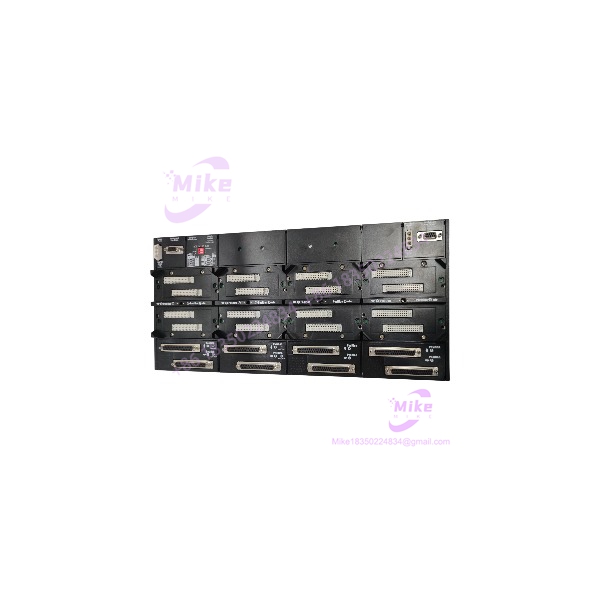
Description
Foxboro P0926JM | Fiber Optic Module Key Spec Data
Architect’s Product Breakdown
The Foxboro P0926JM functions as an essential optical communication interface within the I/A Series distributed control architecture, managing node-to-node data exchange over fiber optic media. In large-scale continuous process facilities where long cable runs cross high-voltage areas, traditional copper wiring introduces vulnerability to electromagnetic interference and ground loops. This module translates electrical communication telegrams into robust optical signals, ensuring token-ring network continuity and low-latency data flow.
Deploying this hardware requires careful attention to optical attenuation budgets and physical connector hygiene. Contaminants on the optical interface ferrules introduce severe insertion loss, which quickly triggers frame check sequence errors and node dropouts. Engineers substituting legacy optical hardware must confirm that the transceiver wavelengths and fiber modes (single-mode or multi-mode) align precisely with the existing plant cabling infrastructure to avoid unexpected communication failures during system startup.
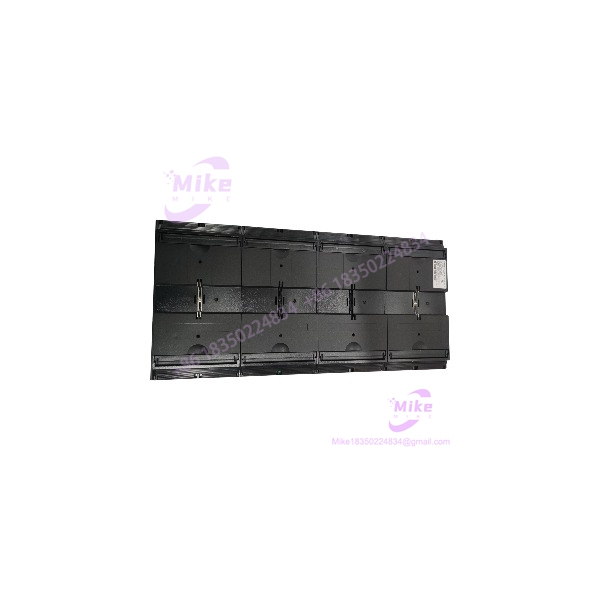
P0926JM
Key Technical Specifications
- Manufacturer: Foxboro (Schneider Electric)
- Product Category: Fiber Optic Communication Module
- Mounting Type: DIN Rail / Chassis Mount
- Network Standard: IEEE 802.4 Token Bus Architecture
- Operating Temperature Range: -20°C to +70°C
- Relative Humidity Limit: 5% to 95% (non-condensing)
- Vibration Tolerance: 1G (5 to 500 Hz)
- Weight: Approximately 1.3 kg
- Diagnostic Indicators: LED array for power, link status, and data traffic monitoring
Field Engineer’s Pitfall Guide (Unique Value)
- Ignoring Optical Core Inspection: Never connect fiber patch cables to the P0926JM without inspecting the end faces with an optical scope. I’ve seen plant commissioning delayed for an entire shift because oil from a technician’s finger attenuated the laser signal below the receiver sensitivity threshold.
- Mismatched Fiber Modes: Forcing a multi-mode patch cable onto a single-mode optical port will cause catastrophic signal reflection and immediate link failure.
- Exceeding Minimum Bend Radius: Tightly zip-tying fiber pigtails as they exit the module housing induces micro-bends, causing gradual packet degradation over seasonal temperature swings.
QA & Testing SOP (Transparency)
- Visual & Origin Verification: Units undergo rigorous physical checks for OEM holograms, structural housing flaws, and pin alignment integrity.
- Live Test Bench Simulation: Modules are mounted on active test racks powered by validated I/A Series power supplies to verify operational thermal stability.
- Optical Throughput & Handshake Testing: Technicians measure optical launch power and receiver sensitivity across all ports using calibrated optical meters to guarantee zero packet loss.
- Anti-Static Packaging: Post-testing ports are sealed with dust caps, and units are wrapped in anti-static shielding bags with moisture barrier protection.
Technical FAQ
Can I hot-swap the P0926JM while the control network is active? No. Live removal or insertion can induce backplane voltage spikes and disrupt active token-bus communication tokens across the node ring. Always isolate power before servicing.
Does this module require firmware configuration upon replacement? As a physical layer communication interface, it typically operates transparently to upper-layer node configurations, but you must verify that the local node processor firmware supports the active hardware revision.
What causes intermittent node dropouts after installing a replacement unit? Intermittent drops are almost universally caused by contaminated fiber optic connectors, high attenuation splice points, or loose module seating on the backplane bus.
What is the standard warranty status for surplus inventory units? Verified surplus or new-in-box modules typically carry a 12-month operational warranty covering material and manufacturing defects.





