

Description
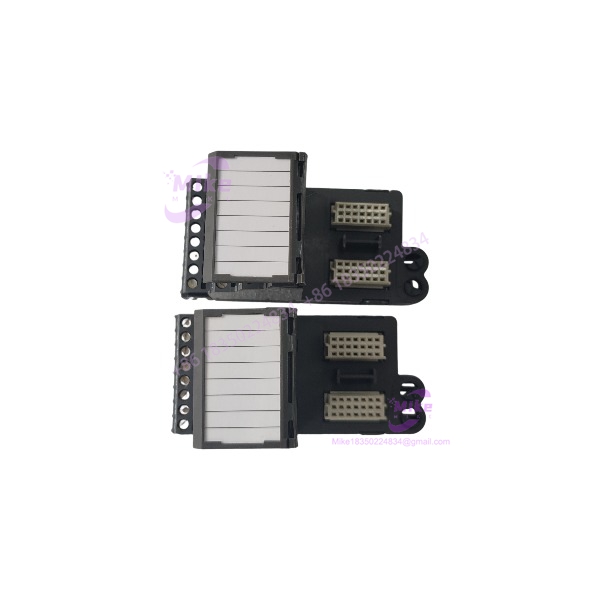
Emerson KJ4001X1-CJ1 | DeltaV 32-Channel Terminal Block
Product Introduction
A terminal-block mismatch can turn a straightforward I/O replacement into a wiring and commissioning problem. With legacy DeltaV hardware, the full part number and terminal-block key position need to match the intended I/O card and installed system configuration.
The Emerson KJ4001X1-CJ1 is a 32-channel terminal block used in DeltaV I/O installations. Emerson’s ATEX instruction sheet identifies the CJ1 as a 32-channel terminal block, specifies a 30 VDC rating with a maximum current of 1 A, and provides hazardous-area installation restrictions. DeltaV system documentation identifies its terminal-block key position as B3.
For maintenance and surplus procurement, treat this as a configuration-specific field-termination component—not a standalone I/O card. Confirm the mating card, keying, wiring layout, and applicable documentation revision before approving a replacement.
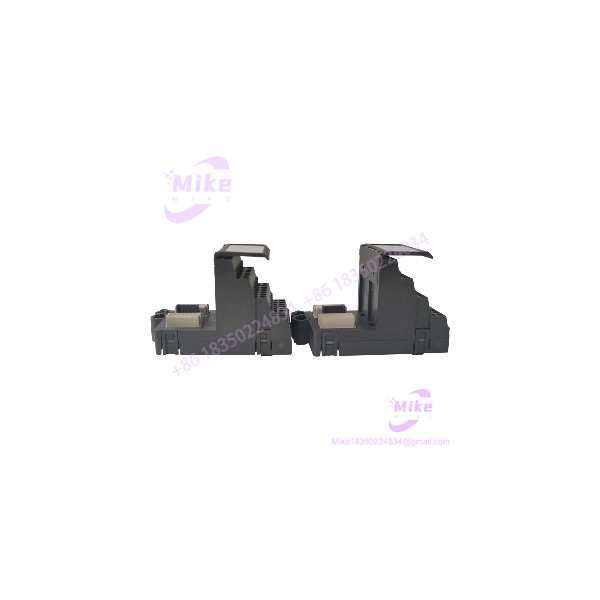
KJ4001X1-CJ1
Key Technical Specifications
- Manufacturer: Emerson
- Model: KJ4001X1-CJ1
- Product Family: DeltaV M-Series Traditional I/O
- Component Type: 32-channel terminal block
- Terminal-Block Key Position: B3
- Voltage Rating: 30 VDC
- Maximum Current: 1 A
- Ambient Temperature: −40°C to +70°C in the 2021 instruction sheet; 0°C to +60°C in the 2003 instruction sheet
- Shock Resistance: 10 g, half-sine wave, 11 ms
- Vibration Resistance: Revision-dependent; consult the applicable instruction sheet
- Relative Humidity: 5–95%, non-condensing
- Ingress Protection: IP20, per legacy documentation
- Airborne Contaminants: ISA-S71.04-1985, Class G3
- Maintenance: No user-serviceable parts; do not disassemble
- Calibration: Not required
- Removal/Insertion: Do not remove or insert with system power energized
The 2021 and 2003 Emerson instruction sheets differ in their stated environmental ranges. Use the documentation applicable to the exact hardware revision and installation rather than combining values from different revisions.
Global Sourcing & Live-Test SOP
For a used or surplus KJ4001X1-CJ1, prioritize exact identification, terminal integrity, keying, and compatibility with the intended DeltaV I/O card. A visual inspection alone cannot establish that the complete I/O arrangement will operate correctly.
1. Inbound Verification
- Photograph the complete OEM label and all visible part numbers.
- Confirm the exact model: KJ4001X1-CJ1.
- Record serial number, revision, and manufacturing information where available.
- Verify the B3 terminal-block key position against the intended I/O card.
- Inspect terminal positions, housing, mounting features, and mating interface.
- Check for corrosion, contamination, cracked insulation, heat discoloration, or signs of previous repair.
- Compare supplier cross-references with the physical label.
- Retain available OEM paperwork and supplier traceability documents.
2. Mechanical and Electrical Inspection
- Inspect terminal positions and clamping mechanisms for damage.
- Check mating contacts for corrosion, bent pins, or contamination.
- Verify terminal assignments against the original wiring diagrams.
- Confirm the intended I/O card and terminal-block combination.
- Check that connected circuits remain within the applicable voltage and current ratings.
- Do not infer terminal assignments from a third-party photo or a similar-looking terminal block.
3. Controlled Functional Verification
The CJ1 is a terminal block, not a standalone signal-processing module. Meaningful functional testing requires a compatible DeltaV I/O arrangement.
- Confirm the test carrier and mating I/O card.
- Verify terminal assignments and field wiring before energizing.
- Check continuity only with the assembly safely isolated and using an appropriate method.
- Inspect for unintended shorts, open circuits, or damaged terminal connections.
- Where available, validate the complete I/O path using the compatible card and DeltaV diagnostic tools.
- Record the test configuration, associated card, and results.
4. Extended Test and Documentation
Where a compatible DeltaV test setup is available, conduct a representative operating test using the intended I/O hardware.
Monitor:
- Terminal and connector integrity
- I/O communication and diagnostics
- Intermittent connection faults
- Unexpected signal changes
- Abnormal heating or physical changes
Record the test duration, terminal-block revision, mating card, test equipment, and observed results. Do not describe the terminal block as fully tested based solely on visual inspection or continuity checks.
5. Final Preparation and Shipment
- Photograph the terminal block before packaging.
- Record the exact model and available revision information.
- Protect terminals and mating interfaces against impact and contamination.
- Use ESD-safe packaging when handling it with electronic assemblies.
- Clearly identify included accessories and associated hardware.
- State the actual condition and test status.
- Do not claim factory-sealed condition or an OEM-backed warranty without supporting evidence.
Field Engineer’s Pitfall Guide
❗ Do not ignore the B3 key position
DeltaV uses a rotary keying system to help prevent incompatible I/O card and terminal-block combinations. The CJ1 is identified with key position B3. Verify the physical key setting and mating card before installation.
❗ Do not mix environmental ratings from different document revisions
The 2003 Emerson instruction sheet specifies 0°C to +60°C, while the 2021 sheet specifies −40°C to +70°C. Confirm which documentation applies to the specific unit and intended installation.
❗ Do not remove or insert the terminal block with system power energized
Emerson’s instruction sheet states that the unit cannot be removed or inserted with system power energized. Follow the applicable DeltaV installation procedures, field-power isolation requirements, and site hazardous-area controls.
Intent-Driven FAQ
What is the Emerson KJ4001X1-CJ1?
The is an Emerson DeltaV 32-channel terminal block used for field wiring termination in a compatible I/O arrangement.
Is the an I/O card?
No. It is a terminal block, not a signal-processing I/O card or controller. The mating I/O card must be identified separately.
What is the voltage and current rating?
Emerson’s instruction sheet specifies 30 VDC and a maximum current of 1 A. Verify the applicable circuit limits and system documentation before installation.
Which terminal-block key position does the CJ1 use?
DeltaV system documentation identifies the with key position B3. Verify the physical key setting and compatible I/O card before installation.
Can the be hot-swapped?
Do not assume so. Emerson’s instruction sheet states that the unit cannot be removed or inserted with system power energized. Follow the applicable OEM and plant isolation procedures.
Is the suitable for hazardous-area installations?
Emerson provides hazardous-area installation and certification information for this component. Actual suitability depends on the applicable approval, installation method, connected circuits, and area classification. Review the OEM instructions and site requirements before use.
What should be checked before buying a replacement ?
Confirm the complete model number, label and revision, B3 keying, mating I/O card, terminal condition, applicable environmental specification, and supplier test evidence. For a production system, verify compatibility against the installed DeltaV drawings and OEM documentation before commissioning.
Bottom Line for Buyers
The is a DeltaV 32-channel terminal block with a 30 VDC voltage rating, 1 A maximum current, and B3 key position.
For replacement procurement, prioritize exact model identification, keying, terminal integrity, and mating-card compatibility. Since environmental specifications vary between published document revisions, confirm the applicable OEM documentation before approving a surplus unit for operational service.





