

Description
Emerson KJ1710X1-BA1 | DeltaV Fiber Ethernet Switch
Product Introduction
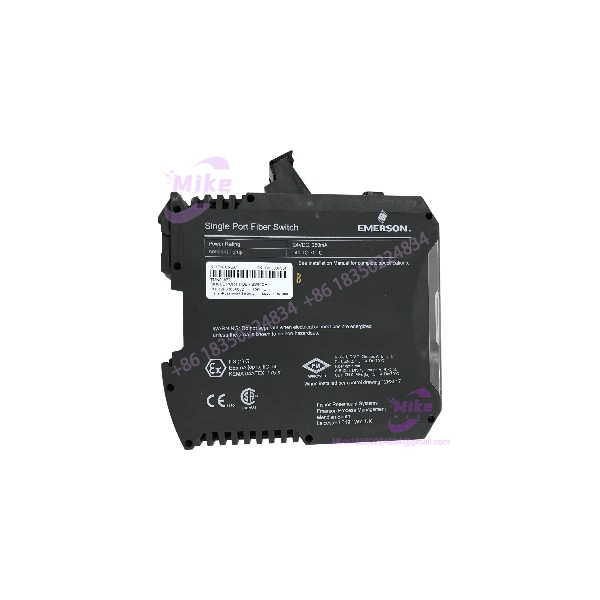
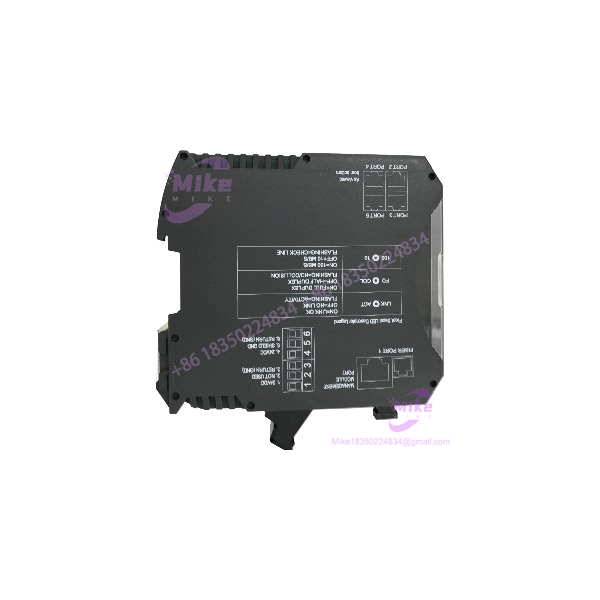
A fiber link in a DeltaV control network is not a generic Ethernet accessory. The Emerson KJ1710X1-BA1 is a purpose-built DeltaV fiber switch designed to connect copper Ethernet equipment with a fiber-optic network segment. Its documented five-port architecture consists of four 10/100Base-TX ports and one 100Base-FX fiber port.
For legacy DeltaV installations, this switch may be a key component in maintaining network connectivity between control-network equipment and fiber-connected system segments. The installation documentation identifies the fiber ports as intended for connections to KJ7000 Series Zone 1 systems, subject to the applicable system design and installation requirements.
When sourcing a replacement KJ1710X1-BA1, verify the exact model, fiber interface, connector, and existing network topology. A similar-looking industrial Ethernet switch is not automatically a valid DeltaV replacement.
KJ1710X1-BA1
Key Technical Specifications
- Model Number: KJ1710X1-BA1
- Manufacturer: Emerson
- System Family: DeltaV
- Device Category: Single-port fiber switch
- Copper Ethernet Ports: Four 10/100Base-TX ports
- Fiber Ethernet Port: One 100Base-FX port
- Fiber Communication: Full duplex
- Nominal Input Voltage: 24 VDC
- Input Voltage Range: 19.2–28.8 VDC
- Input Current: 250 mA
- Copper Port Connector: RJ45
- Copper Cable Specification: Category 5e screened twisted-pair cable
- Copper Cable Distance: Up to 100 m, per installation documentation
- Fiber Connector: MT-RJ
- Fiber Type: Multimode graded-index glass-silica fiber, 50/125 µm or 62.5/125 µm
- Nominal Fiber Distance: 2 km, subject to the documented fiber and attenuation limits
- Fiber Attenuation Limit: ≤8 dB for 50/125 µm fiber; ≤11 dB for 62.5/125 µm fiber
- Mounting: DIN rail
- Operating Ambient Temperature: -40°C to +70°C
- Relative Humidity: 5%–95%, non-condensing
- Shock Rating: 10 G, half-sine, 11 ms
- Vibration Rating: 1 mm peak-to-peak from 5–16 Hz; 0.5 G from 16–150 Hz
Specifications are based on Emerson’s KJ1710/KJ1740 fiber-switch installation and hazardous-area documentation. Confirm the unit’s nameplate and applicable documentation before installation.
Global Sourcing & Live-Test SOP
For a used or surplus KJ1710X1-BA1, basic power-up is not enough to establish network readiness. Validate the physical interfaces and communication path before releasing the unit as a tested spare.
1. Inbound Verification
- Photograph the complete nameplate and record the full KJ1710X1-BA1 model number.
- Record the serial number, manufacturing information, and any visible hardware revision.
- Verify the associated part-number marking, including 12P3305X072 where applicable.
- Inspect the enclosure, DIN-rail mounting features, connectors, and terminal area.
- Examine RJ45 ports and the fiber connector for damage, contamination, or bent contacts.
- Check for corrosion, evidence of moisture ingress, cracked housing, or previous repair.
- Confirm that the fiber interface and connector match the intended installation.
2. Controlled Power-Up
- Use a regulated 24 VDC supply with current monitoring.
- Confirm polarity and wiring against the applicable installation documentation.
- Verify that the applied voltage remains within the specified 19.2–28.8 VDC range.
- Monitor current draw against the documented 250 mA input-current specification.
- Observe startup behavior and available LED diagnostics.
- Stop testing if the unit exhibits abnormal current draw, overheating, or visible electrical damage.
3. Copper and Fiber Port Testing
- Test each RJ45 port using a compatible Ethernet test setup.
- Confirm link establishment and expected 10/100 Mbps operation.
- Inspect the fiber connector and verify compatibility with the installed fiber type.
- Use a compatible 100Base-FX fiber test arrangement.
- Confirm full-duplex fiber communication.
- Test the intended copper-to-fiber communication path rather than relying only on link LEDs.
- Record port-level results and any intermittent link behavior.
4. DeltaV Network Validation
A switch that passes a basic Ethernet test is not automatically proven compatible with the customer’s DeltaV network.
- Confirm the intended location and role of the switch in the existing DeltaV topology.
- Verify the copper and fiber connections against the plant’s network drawings.
- Confirm the correct fiber endpoint and intended KJ7000 Series connection, where applicable.
- Check network link stability and communication behavior under representative operating conditions.
- Record the test setup, connected equipment, and observed diagnostics.
- Do not connect an unverified surplus unit directly to a live production network.
5. Extended Heat Run
For units sold as tested, perform an extended powered run appropriate to the application, preferably with representative Ethernet traffic.
Monitor:
- Power stability and current draw
- Copper-port link stability
- Fiber-link stability
- Unexpected resets or link drops
- LED diagnostic behavior
- Abnormal housing temperature
Record the test duration, supply voltage, connected test equipment, and observed results. Do not advertise a 24-hour heat run unless that test was actually completed and documented.
6. Final Preparation and Shipment
- Record the complete model and serial number.
- Photograph the nameplate, connectors, and overall unit condition.
- Preserve any included OEM documentation.
- Protect RJ45 ports and the fiber connector from contamination and impact.
- Use ESD-safe handling and suitable protective packaging.
- State the actual condition—used, refurbished, or unused surplus—without implying factory-new status unless verified.
- Document the warranty offered by the seller separately from any OEM warranty.
Field Engineer’s Pitfall Guide
❗ Do not treat this as a generic five-port Ethernet switch
The has a defined four-copper/one-fiber port architecture intended for DeltaV network applications. Confirm the fiber endpoint, network topology, and port requirements before substitution.
❗ Fiber type and connector compatibility matter
The installation documentation identifies an MT-RJ fiber interface and multimode fiber specifications. Do not assume compatibility with single-mode fiber, LC connectors, or a different optical interface based only on the 100Base-FX designation. Verify the installed network’s actual fiber arrangement.
❗ This unit is not hot-swappable
Emerson’s hazardous-area instruction sheet states that the cannot be removed or inserted while system power is energized. Follow the applicable DeltaV and hazardous-area procedures; do not treat replacement as a live-insertion operation.
Intent-Driven FAQ
What is the Emerson ?
The is an Emerson DeltaV single-port fiber switch. It provides four 10/100Base-TX copper Ethernet ports and one 100Base-FX fiber port.
What power supply does the require?
It uses a nominal 24 VDC supply, with a documented input range of 19.2–28.8 VDC and an input current of 250 mA. Verify the unit markings and wiring before energizing.
Is the a five-port Ethernet switch?
Yes. Its documented architecture consists of four 10/100Base-TX copper ports and one 100Base-FX fiber port. The fiber interface is full duplex.
What fiber connector does the use?
The installation documentation specifies an MT-RJ connector. Confirm the connector and fiber type on the installed equipment before ordering a replacement.
Can the be hot-swapped?
No. Emerson’s instruction sheet states that the unit cannot be removed or inserted with system power energized. Follow the applicable system shutdown and hazardous-area procedures.
Is the discontinued?
Radwell lists the as discontinued by the manufacturer. Treat it as a legacy sourcing item and confirm current OEM support and available inventory before planning a replacement.
What should I verify before buying a replacement ?
Confirm the complete model number, nameplate and part-number markings, port configuration, fiber connector, power requirements, physical condition, and seller’s test and warranty terms. For production use, also verify compatibility with the installed DeltaV network topology.
Bottom Line for Buyers
The is a legacy DeltaV fiber switch with four 10/100Base-TX copper ports, one 100Base-FX fiber port, and a 24 VDC nominal input. Its value as a replacement depends on matching the original network configuration—not simply finding a switch with similar Ethernet specifications.
For procurement, request clear nameplate and connector photos, confirm the fiber interface and intended network role, and obtain documented test results if the unit is advertised as tested. Do not assume hot-swap capability or factory warranty.





