

Description
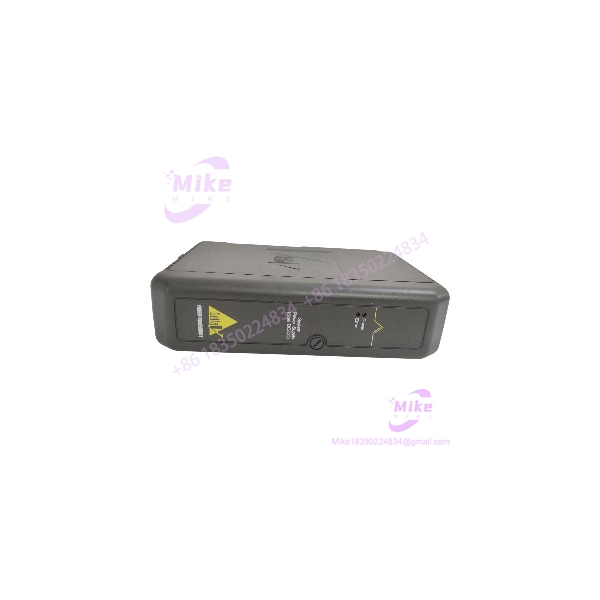
Emerson KJ1501X1-BC1 | DeltaV System DC Power Supply
Product Introduction
Power-supply substitutions in a legacy DCS need to be checked against the installed system—not just the output voltage printed on a catalog page. The Emerson KJ1501X1-BC1 is a DeltaV System Dual DC Power Supply designed to provide conditioned DC power for compatible system equipment. It is also referenced under assembly numbers 12P2186X022 and 12P2186X032, with VE5008 appearing as an alternate reference.
The KJ1501X1-BC1 accepts either a 12 VDC or 24 VDC input, with different available 12 VDC output-current ratings depending on the input used. The unit also provides 5 VDC and 3.3 VDC auxiliary outputs, limited to 10 W combined. This makes the input configuration, output loading, and exact hardware revision important during replacement. Do not assume that a KJ1501X1-BC1 with an unknown revision or installation history is ready for immediate service.
For maintenance and procurement teams, the objective is to match the complete article number and electrical configuration, then confirm the unit’s condition and system compatibility. A power supply that produces voltage on a bench is not automatically a qualified replacement for an operating DeltaV installation.
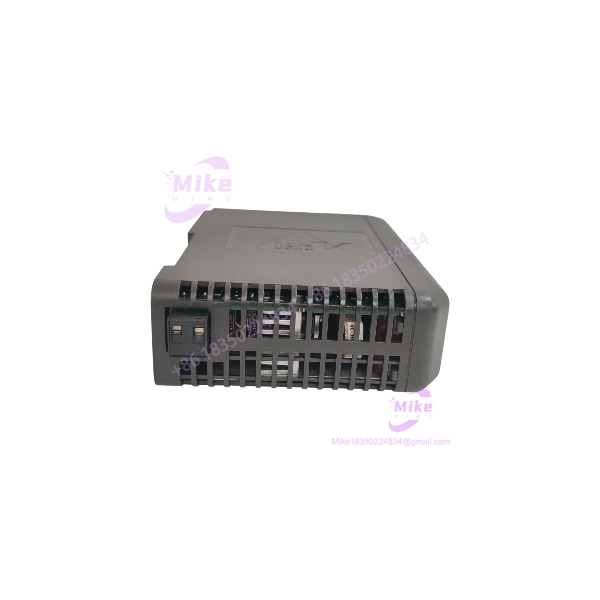
KJ1501X1-BC1
Key Technical Specifications
- Manufacturer: Emerson Process Management / Fisher-Rosemount
- Model: KJ1501X1-BC1
- Assembly Number: 12P2186X022 or 12P2186X032, depending on revision
- Alternate Reference: VE5008
- Product Category: DeltaV system power supply
- Power-Supply Type: Dual DC input system power supply
- Input Voltage Options: 12 VDC or 24 VDC
- Input Current at 12 VDC: 14.8 A
- Input Current at 24 VDC: 5.4 A
- 12 VDC Output at 12 VDC Input: 13.0 A
- 12 VDC Output at 24 VDC Input: 4.5 A
- Auxiliary Output Rails: 5 VDC and 3.3 VDC
- Combined Auxiliary Output Power: 10 W maximum
- Alarm Relay Contact: Normally open
- Alarm Relay Rating: Up to 2 A at 30 VDC or 2 A at 250 VAC, subject to applicable installation and hazardous-area requirements
- Maximum Ambient Temperature: 60°C, per the applicable instruction sheet
- Hazardous-Area Documentation: ATEX instruction sheet identifies EEx nC IIC T4 marking; verify the exact unit’s approvals and installation conditions
- System Application: DeltaV system power distribution
These ratings are drawn from the KJ1501X1-BC1 instruction sheet and supplier references. Confirm the actual nameplate, revision, and applicable controlled Emerson documentation before using them as acceptance criteria for a specific unit.
Global Sourcing & Live-Test SOP
For a used or surplus , incoming inspection should cover electrical condition, revision identity, and suitability for the intended DeltaV installation.
1. Inbound Verification
- Photograph the complete nameplate and confirm .
- Record the assembly number, including 12P2186X022 or 12P2186X032 where shown.
- Record the hardware revision, serial number, and any visible date code.
- Confirm whether the unit is being supplied as a bare power supply or with associated mounting hardware.
- Inspect the housing, connectors, terminals, and retaining features.
- Check for corrosion, heat discoloration, cracks, contamination, or evidence of prior repair.
- Retain available OEM paperwork and supplier test records.
2. Physical and Electrical Inspection
- Verify the intended 12 VDC or 24 VDC input configuration against the unit’s documentation.
- Inspect input and output terminals for damage or overheating.
- Check the alarm relay terminals and connector condition.
- Inspect the enclosure and any mounting/keying features for damage.
- Confirm that the proposed installation meets the applicable temperature, ventilation, and hazardous-area requirements.
- Do not energize a unit with damaged terminals, uncertain wiring, or unresolved insulation concerns.
3. Controlled Power-Up
Testing should be performed by qualified personnel using a current-limited, appropriately protected DC source and the correct test procedure.
- Confirm the required input voltage before connecting power.
- Verify polarity and wiring against the applicable instruction sheet.
- Apply the specified input under controlled conditions.
- Measure the 12 VDC output under an appropriate load.
- Verify the 5 VDC and 3.3 VDC auxiliary outputs where test access is available.
- Confirm that the combined auxiliary loading remains within the documented limit.
- Observe startup behavior, indicators, abnormal heating, and unexpected shutdowns.
- Record the applied input voltage and measured output values.
4. Alarm and System-Compatibility Checks
A stable output voltage does not establish full system compatibility.
- Verify the alarm relay behavior using the approved test procedure.
- Confirm that the receiving DeltaV installation is designed for the selected input configuration.
- Check the applicable system documentation for mounting, wiring, and power-distribution requirements.
- Confirm that the unit’s assembly number and revision are acceptable for the intended installation.
- Investigate unexplained alarms or unstable output before declaring the unit serviceable.
- Do not bypass system alarms or protection functions to force operation.
5. Extended Run and Final Documentation
Where a suitable test setup is available, perform an application-appropriate extended run under representative loading.
Record:
- Test date and duration
- Model, assembly number, and revision
- Applied input voltage
- Measured output voltages
- Output loading during test
- Alarm relay test status
- Observed temperature or abnormal behavior
- Faults, limitations, and test conditions
Protect terminals and connectors during shipment. Use appropriate ESD-aware packaging and clearly distinguish a visually inspected unit from one that has completed a documented electrical or system-level test.
Field Engineer’s Pitfall Guide
❗ 1. Input selection changes the available 12 VDC output current
The ‘s documented 12 VDC output rating differs by input: 13.0 A with 12 VDC input and 4.5 A with 24 VDC input. Confirm the installed system’s actual supply architecture and load requirements before selecting the input configuration.
❗ 2. Do not exceed the combined auxiliary-output limit
The 5 VDC and 3.3 VDC auxiliary outputs have a documented combined maximum of 10 W. Treat this as a shared power budget—not a separate 10 W allowance for each rail. Verify actual loading against the applicable instruction sheet.
❗ 3. Hazardous-area approval is installation-specific
The instruction sheet includes hazardous-atmosphere approval information. That does not mean every used unit, revision, or installation automatically satisfies the site’s requirements. Confirm the actual unit markings, approval documentation, wiring, and installation conditions before use.
Intent-Driven FAQ
What is the Emerson ?
It is a DeltaV System Dual DC Power Supply used to provide conditioned DC power to compatible DeltaV system equipment. It is not a DeltaV controller or I/O module.
What is the alternate part number for ?
Supplier and system references associate the with assembly numbers 12P2186X022 and 12P2186X032, as well as the VE5008 reference. Verify the complete markings on the offered unit before ordering.
What input voltage does the use?
The instruction sheet documents both 12 VDC and 24 VDC input options. The available 12 VDC output current differs depending on which input is used. Confirm the intended configuration against the system documentation.
What is the output rating of the ?
The documented 12 VDC output is rated at 13.0 A with 12 VDC input or 4.5 A with 24 VDC input. The unit also provides 5 VDC and 3.3 VDC auxiliary outputs with a combined 10 W maximum.
Is the compatible with every DeltaV system?
Do not assume universal compatibility. Verify the DeltaV system configuration, power-distribution requirements, assembly number, revision, wiring, and intended input voltage before substitution.
Is the obsolete?
Supplier references identify the unit as a legacy/discontinued DeltaV power supply, but availability varies by surplus inventory, revision, and condition. Confirm current support and replacement guidance through Emerson or an authorized service channel.
What should I check before buying a used ?
Confirm the full model and assembly number, revision, nameplate, terminal condition, input configuration, included hardware, and test status. Request clear photos and written confirmation of what is included. Do not assume a warranty or successful electrical test unless the seller explicitly documents it.
Bottom Line for Buyers
The is a legacy DeltaV System Dual DC Power Supply with 12 VDC or 24 VDC input options and configuration-dependent 12 VDC output capacity. The auxiliary 5 VDC and 3.3 VDC rails share a 10 W maximum power limit, making the actual load and input arrangement important to replacement planning.
For procurement, specify the complete model, confirm the assembly number and revision, and request documented electrical-test results. Match the unit to the installed DeltaV power architecture before commissioning; a matching part number alone does not establish that a used supply is ready for service.





