Description
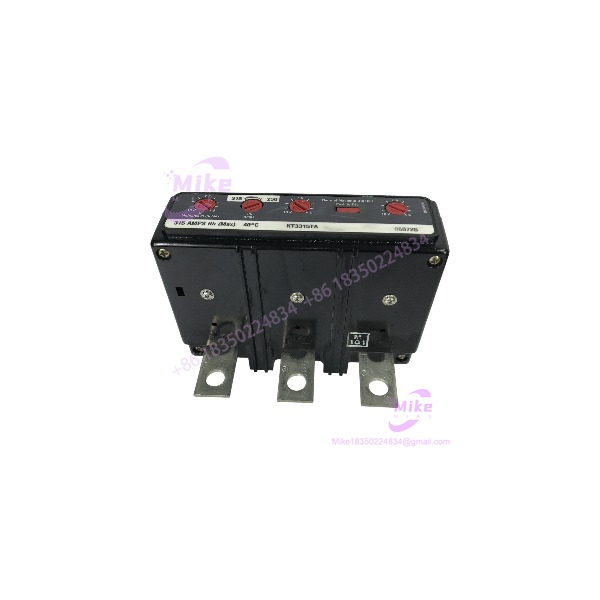
Eaton / Moeller EASY E2384-E4-1100 | Industrial Control Module, In Stock
Architect’s Product Breakdown
The Moeller / Eaton E2384-E4-1100 operates as a specialized industrial control and logic interface module designed for machine automation and safety relay applications. Integrated into control cabinets across manufacturing, packaging, and material handling systems, units within the EASY control architecture manage discrete interlocks, monitor sensor states, and execute dependable local logic sequences without requiring full-scale PLC racks.
Because legacy industrial control setups depend on exact part number matching, replacing an E2384-E4-1100 unit requires verifying terminal pinouts, operating voltage ranges, and any pre-configured logic parameters to ensure seamless integration into existing control panel schematics.
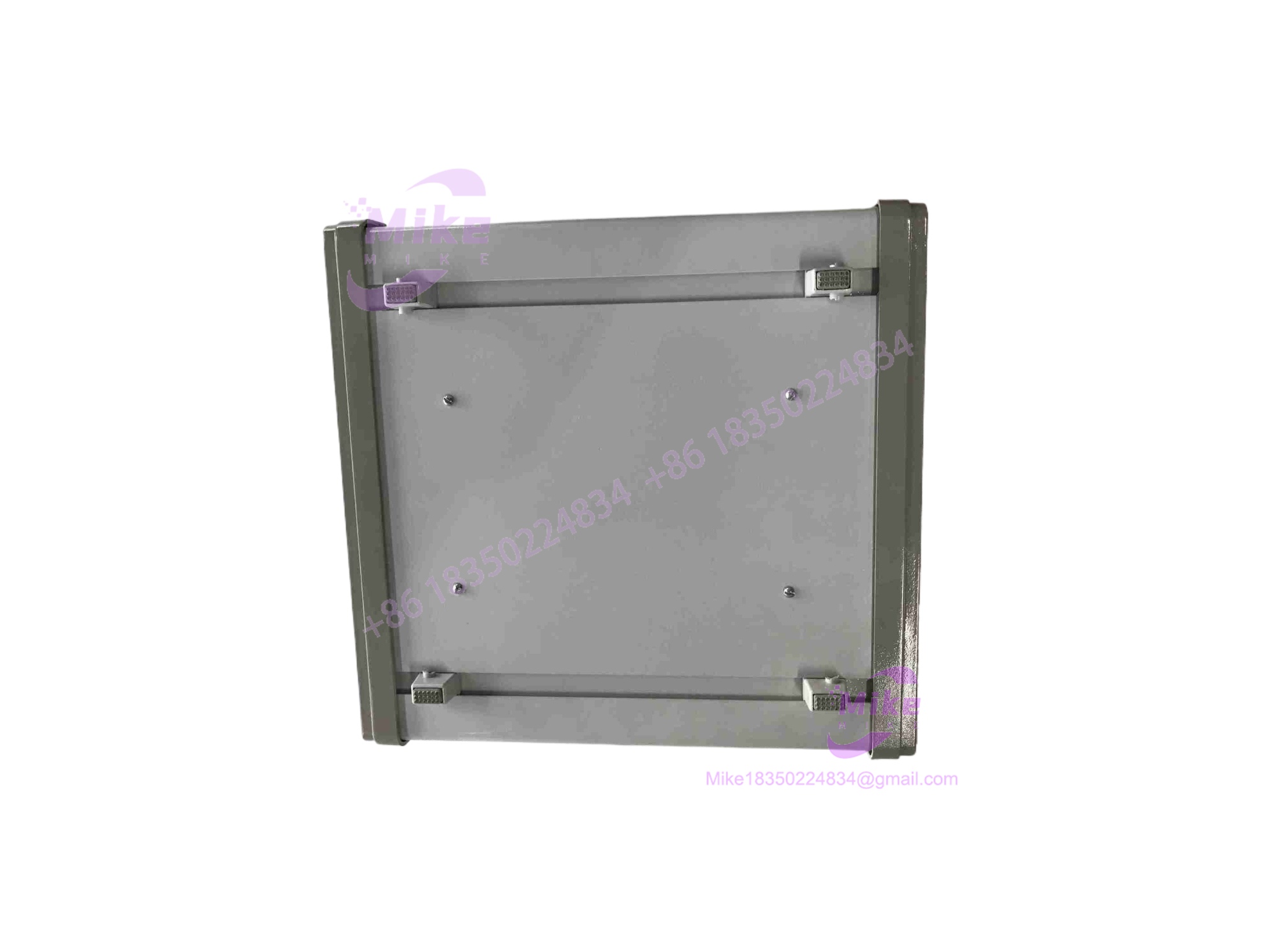
E2384-E4-1100
Key Technical Specifications
| Parameter | Specification |
| Series | Eaton / Moeller EASY Automation & Control Line |
| Model / Part Number | E2384-E4-1100 |
| Mounting Type | Standard 35mm DIN-rail industrial enclosure |
| Power Supply | Standard industrial control voltage (typically 24 VDC or 110–240 VAC variants) |
| Input/Output Configuration | Multi-channel discrete inputs and relay/solid-state outputs |
| Enclosure Protection | IP20 terminal protection for standard cabinet installation |
| Operating Environment | Designed for standard industrial temperature and vibration parameters |
Field Engineer’s Pitfall Guide
- WARNING: Undersized Power Supply Rails. Connecting the module to an unstable or heavily loaded 24VDC power supply can cause processor brownouts, erratic logic execution, or unexpected safety trip resets.
- WARNING: Inductive Back-EMF Damage. Failing to install flyback diodes across inductive loads (such as external solenoids or contactor coils) connected to the module outputs will pit internal relay contacts or fry solid-state switches.
- WARNING: Mismatched Firmware / Configuration Revisions. Swapping a legacy controller module without verifying internal configuration parameters or program states can lead to machine interlock failures or incorrect sensor mapping.
- Field Anecdote: I recall an automated packaging line experiencing intermittent emergency stop faults because a replacement control module was installed into a high-vibration cabinet without securing the terminal plug blocks properly, causing micro-arcing across the input pins.
QA & Testing SOP
- Visual & Origin Verification: Inspect the outer molded housing, front terminal blocks, label data, and rear mounting clips for thermal discoloration, cracks, or mechanical wear, confirming original manufacturer markings.
- Test Bench Power-Up: Mount the module onto a test DIN-rail and supply nominal operating voltage while monitoring current draw to verify internal power regulation stability.
- I/O & Logic Verification: Inject simulated sensor signals into the input terminals and test output switching states using a multimeter or LED load board to ensure complete operational integrity.
- Anti-Static & Protective Packaging: Enclose the device in anti-static bubble wrap and package it securely inside high-density structural foam to protect connection pins and housing latches during transit.
Technical FAQ
What type of equipment is the Eaton / Moeller E2384-E4-1100 used in?
It is used in industrial automation panels, machinery safety circuits, and local logic control systems for discrete manufacturing equipment.
Is the E2384-E4-1100 still actively manufactured?
No. This specific legacy part is discontinued, but certified surplus and refurbished units remain available through specialized industrial automation suppliers.
What precautions should be taken when swapping out this control module?
Always ensure main power to the control cabinet is completely locked out (LOTO) before disconnecting wiring terminals to prevent accidental short circuits or equipment damage.
What causes an intermittent fault or unresponsiveness on control module inputs?
Intermittent faults are typically caused by loose terminal screws, oxidized wire strands, or environmental moisture ingress inside the control panel.