Description
DEIF SCM4-2 | Serial Communication Module Core Category
Dynamic Product Introduction
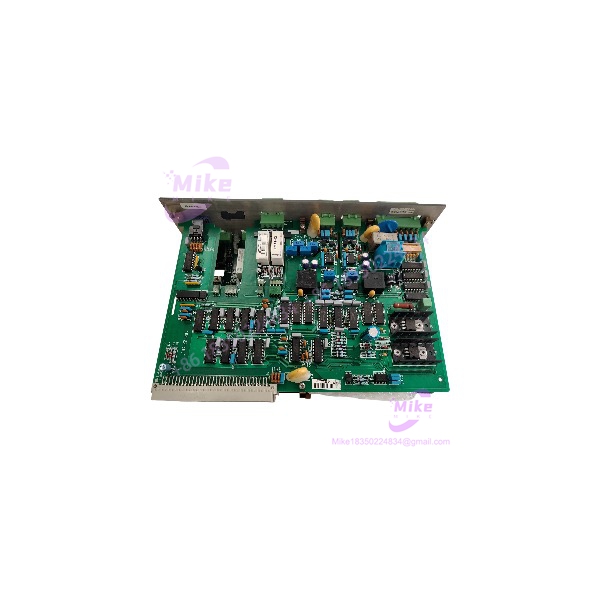
Maintaining real-time telemetry across a complex multi-generator microgrid or hospital backup power plant requires uncompromised serial bus reliability. Honestly, when a primary RS-485 transceiver fails on an aging genset controller, the master SCADA system loses critical visibility over engine running parameters, breaker states, and kilowatt load sharing allocations. The DEIF SCM4-2 resolves this communication failure by providing a dual-channel, galvanically isolated serial bridge designed specifically for DEIF AGC-4 and Delomatic 4 controller backplanes.
Engineered for harsh industrial and marine electrical environments, this SCM4-2 card handles high-density Modbus register polling while shielding internal processor logic from ground loops and field-induced voltage surges. In facility maintenance operations, replacing a faulted communication module with a bench-tested SCM4-2 restores full dual-redundant SCADA links instantly—without requiring software retrofits or panel rewiring.
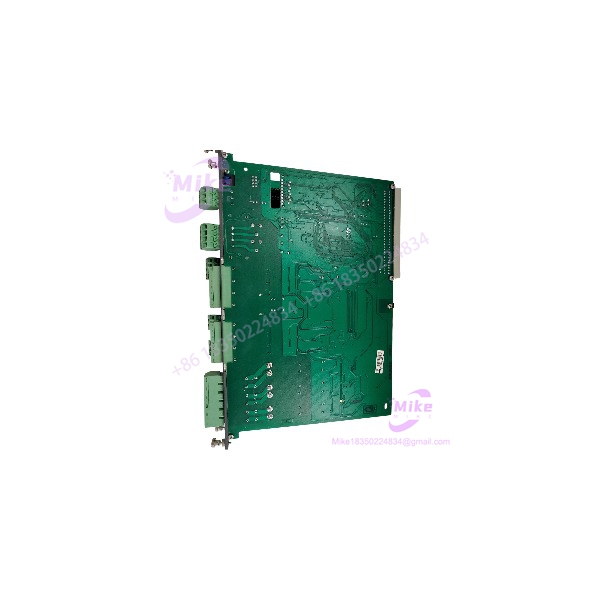
SCM4-2
Key Technical Specifications
- Interface Standard: Dual independent RS-485 serial communication ports (Port 1 & Port 2)
- Supported Protocols: Modbus RTU, Modbus ASCII, DEIF standard ASCII protocol
- Baud Rate Options: Configurable from 9,600 bps up to 115,200 bps
- Parity & Data Formats: 8 data bits; Odd, Even, or No Parity; 1 or 2 stop bits
- Electrical Isolation: 500 V RMS galvanic isolation between serial ports and controller logic
- Connection Headers: Dual removable 5-pin screw terminal connector blocks
- Bus Interface: Multi-pin edge connector for DEIF Option Slot M4 / Slot H
- Power Supply: Powered directly through the host DEIF controller backplane (+5 VDC / +24 VDC)
- Operating Temperature Range: -25°C to +70°C ambient operating window
- Marine Approvals: DNV-GL, LR, ABS, and BV marine classification certified
Global Sourcing & Live-Test SOP (Transparency Core)
Sourcing secondary-market generator control hardware requires a zero-trust quality assurance framework to ensure uninterrupted power grid supervision. Inbound shipments of the DEIF SCM4-2 undergo strict customs documentation audits and microscopic board-level inspections to screen out counterfeit transceivers or thermal degradation.
Once logged into inventory, every SCM4-2 module moves directly to our specialized DEIF diagnostic bench. Technicians seat the card into an active DEIF AGC-4 host controller connected to an auxiliary 24 VDC power rail. We execute a 24-hour continuous dual-channel loopback stress test using a Modbus master simulator polling over 1,000 registers per second across both RS-485 ports simultaneously. Signal rise times, differential voltage levels, and isolation barriers are verified using an oscilloscope before sealing the SCM4-2 in anti-static ESD packaging prior to dispatch.
The Field Engineer’s Pitfall Guide
❗ Missing 120-Ohm Termination Resistors: Running the SCM4-2 on a long RS-485 trunk without activating or wiring an external 120-ohm end-of-line termination resistor causes high-frequency signal reflections. I once spent an entire shift troubleshooting intermittent Modbus CRC dropouts on a multi-genset sync panel because a technician missed enabling line termination on Port 2.
❗ Port Assignment Configuration Mismatches: Assuming both RS-485 channels share the same baud rate or slave ID will cause network collisions. Port 1 and Port 2 on the SCM4-2 are independently addressable in the DEIF Utility Software (USW); always verify port routing in software before putting the system online.
❗ Shield Grounding Loop Interference: Cable shields grounded at both the SCM4-2 terminal and the remote PLC panel create circulating ground currents that can destroy RS-485 transceivers during utility switching transients. Always ground the serial cable shield at one point only.
Intent-Driven FAQ
Will I lose my controller Modbus settings when replacing an SCM4-2 card? No, serial communication parameters (baud rate, node address, register mappings) are stored in the host AGC-4 controller memory; the SCM4-2 acts as the physical hardware interface.
Can Port 1 and Port 2 on the SCM4-2 operate on different baud rates? Yes, each RS-485 channel on the SCM4-2 is independently configurable within the DEIF setup software, allowing simultaneous connection to a fast SCADA system and a slower local HMI.
Are surplus DEIF SCM4-2 modules supplied with factory original packaging? Inventory conditions range from brand-new old stock (NOS) in original DEIF boxes to certified pre-owned surplus. Regardless of outer packaging, every SCM4-2 card passes a full 24-hour dual-port Modbus stress test before dispatch.
What causes persistent Modbus communication timeouts on Port 1 or Port 2? Timeouts typically point to reversed A/B differential wiring, mismatched parity/baud rate settings in the host PLC, an incorrect slave ID, or damage to the RS-485 transceiver chip from an external surge.
What warranty coverage is included with a replacement DEIF SCM4-2 module? Our secondary-market and surplus DEIF SCM4-2 modules include a comprehensive 12-month operational warranty covering transceivers, backplane interface logic, and signal stability under standard operating conditions.