


Description
Bently Nevada 113819-01 | Proximity Probe Transducer Core Category
Dynamic Product Introduction
Measuring sub-micron shaft vibration and relative mechanical displacement inside high-speed rotating machinery demands absolute reliability from sensor hardware. The Bently Nevada 113819-01 operates as an 8 mm proximity probe assembly engineered to interface seamlessly with 3300 XL Proximitor sensors. Unlike standard industrial displacement sensors that suffer from thermal drift and environmental interference, Bently Nevada’s patented TipLoc and ClickLoc design ensures robust mechanical integrity and precise electrical linearity under severe oil and temperature extremes.
Moving beyond obsolete legacy probe iterations, this 3300 XL sensor configuration delivers advanced immunity to radio frequency interference (RFI) and superior interchangeability across monitoring loops. Field maintenance data confirms that dropping in a verified replacement probe restores baseline signal accuracy and eliminates erratic vibration spikes on critical asset monitors.
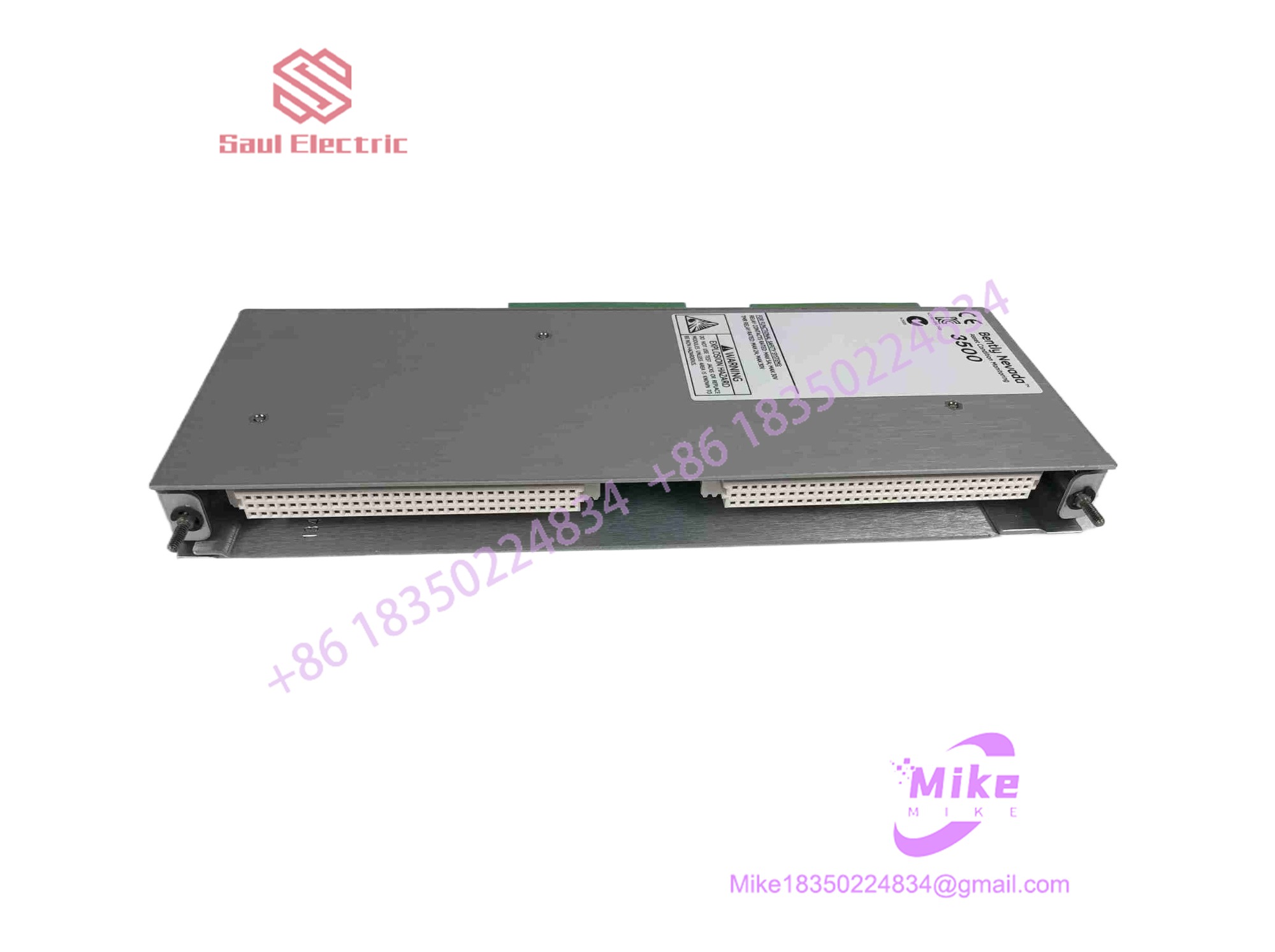
113819-01
Key Technical Specifications
- Device Type: Eddy Current Proximity Probe (3300 XL Series)
- Probe Tip Diameter: 8 mm (0.315 in)
- Linear Range: 2.0 mm (80 mils), spanning approximately 0.27 to 2.27 mm (10 to 90 mils)
- Incremental Scale Factor (ISF): 7.87 V/mm (200 mV/mil) nominal with 3300 XL Proximitor
- Operating & Storage Temperature: -51^\circC to +177^\circC (-60^\circF to +350^\circF)
- Connector Type: ClickLoc coaxial connector with protective spring-loaded boot
- System Compatibility: Bently Nevada 3300 XL 5M Proximitor Sensor and 3500 monitoring racks
- Weight: ~0.2 kg (0.44 lbs)
Global Sourcing & Live-Test SOP (Transparency Core)
Deploying replacement proximity probes on critical turbine and compressor vibration loops requires an uncompromising bench verification protocol to ensure linear output stability.
- Inbound Verification: Incoming probe assemblies are audited against original Bently Nevada manufacturing lots. Thread pitches, probe tips, coaxial cables, and ClickLoc connector pins are inspected under optical magnification for jacket cuts, pin corrosion, or mechanical cracking.
- Live Simulation: The probe is mounted onto a precision micrometer target calibration rig powered by a calibrated 3300 XL Proximitor and a regulated -24V DC supply.
- Diagnostics: Technicians execute full-stroke gap displacement tests (0 to 80+ mils), measuring output voltage changes against high-precision digital multimeters to verify that the scale factor stays strictly within the 200 mV/mil baseline across the linear range.
- Final Prep: Once calibration logs clear baseline standards, connector pins are cleaned, protective caps are installed, and the assembly is packaged in an anti-static moisture-barrier bag.
The Field Engineer’s Pitfall Guide
❗ Exceeding Minimum Bend Radius on Coaxial Cable: Forcing the probe’s coaxial extension cable into sharp 90-degree bends or clamping it down too tightly breaks the internal center conductor or compromises the outer shield, causing massive noise spikes on the monitor. (I’ve seen plants scrap brand-new probe installs instantly because zip-ties crushed the cable jacket.) Always respect the minimum bend radius and use approved standoffs.
❗ Improper Gap Voltage Adjustments: Failing to set the initial mechanical gap (typically -10.0V DC center-range) during installation can cause the probe to clip against its linear limits during high vibration transients, resulting in clipped wave forms and false alarm trips. Always verify Proximitor output voltage with a DMM before startup.
❗ Ground Loops via Unisolated Probe Brackets: Mounting the probe bracket directly to machinery casing without verifying proper electrical isolation can introduce stray ground currents, leading to erratic signal offset and calibration errors. Always use qualified insulating tape or brackets if required by the installation design.
Intent-Driven FAQ
Will swapping this 113819-01 probe require recalibrating the 3500 monitor channel?
Because 3300 XL proximity systems are highly standardized, replacing a probe with an identical model typically requires zero monitor reconfiguration, provided the initial gap voltage is adjusted back to the standard -10V DC operating point.
Can this proximity probe be replaced while the turbomachinery is running?
Replacing a radial vibration probe on a running machine is generally restricted or prohibited due to physical access hazards inside pressurized or rotating enclosures, as well as the risk of triggering machinery protection trips. Service is normally scheduled during planned unit outages.
What causes the monitor to read a constant -24V DC or zero volts?
A fixed -24V DC reading indicates an open circuit (broken coaxial cable or loose connection), while zero volts indicates a short circuit or power supply failure. Checking continuity and inspecting the ClickLoc connector isolates the fault.
Can the probe cable length be shortened or spliced if it is too long?
No. Proximity probe cable lengths are factory-tuned to match the specific capacitance requirements of the 3300 XL Proximitor circuit. Splicing or cutting the coaxial cable alters the electrical length and ruins system calibration.
What kind of warranty accompanies surplus or refurbished units?
Reputable industrial suppliers typically back tested surplus or new-surplus Bently Nevada vibration hardware with a standard 1-to-2 year replacement warranty, supported by a bench calibration test report confirming scale factor accuracy.





