


Description
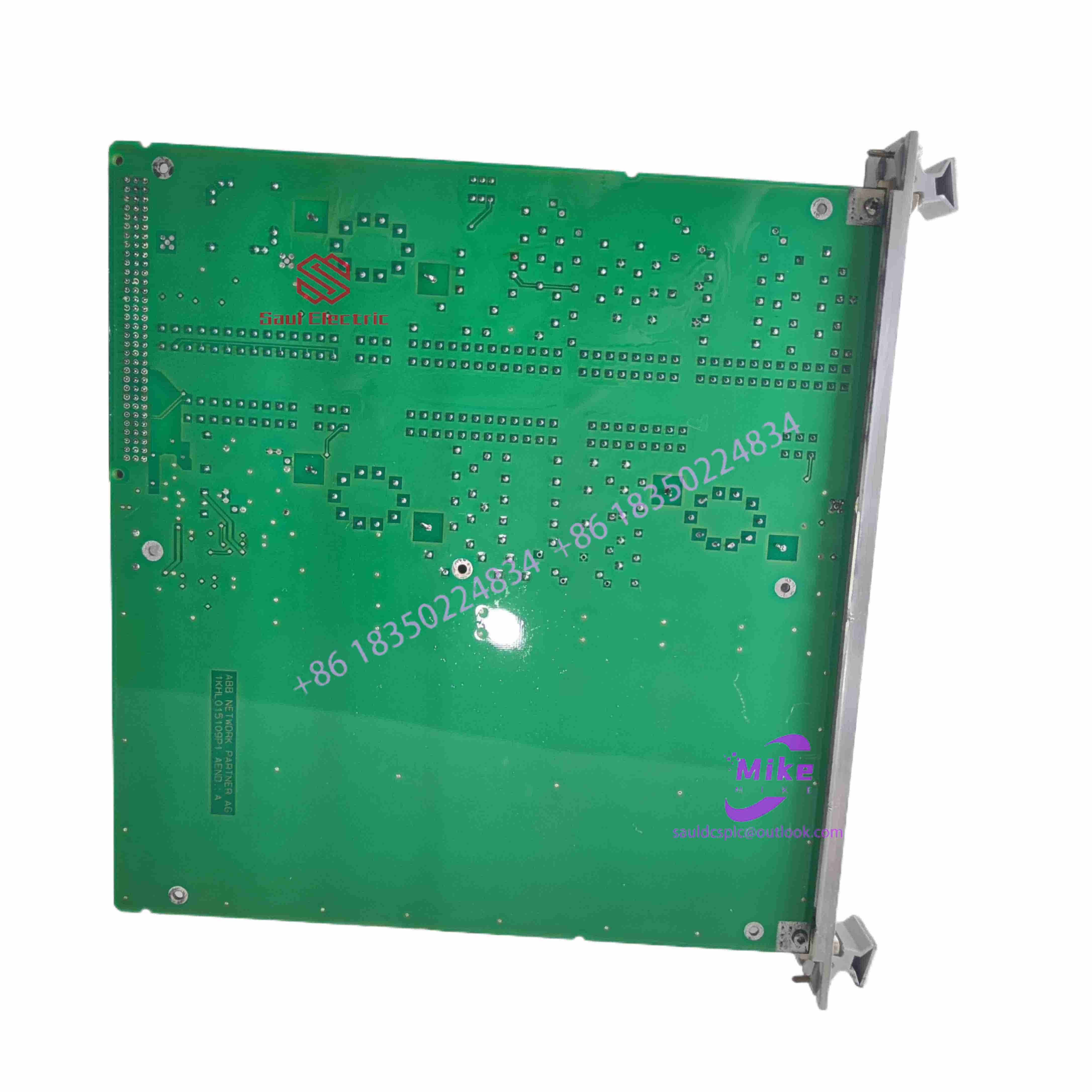
ABB 1KHL015107R0001 P4LR NETWORK PARTNER 1KHL015109P2
Overview of PWM Controllers
A PWM controller is a control strategy that controls the average level of an output signal by adjusting the duty cycle of pulses. It controls the desired output by periodically switching the power supply on and off , controlling the ratio of switching time to off time. PWM controllers are widely used in applications requiring the simulation of continuous signals, such as DC motor speed control, LED brightness adjustment, and audioamplifiers .
principle
The principle of a PWM controller is to control the voltage and current in a circuit by changing the pulse width. In a PWM signal, the high-level duration is longer and the low-level duration is shorter, thereby changing the power output in the circuit. Specifically, when the PWM signal is high, the switch in the circuit opens, and current flows through the load; when the PWM signal is low, the switch closes, and current stops flowing. Therefore, by changing the ratio of the high and low levels in the PWM signal, the voltage and current in the circuit can be controlled.
application
PWM controllers are commonly used in applications requiring the simulation of continuous signals, such as DC motor speed control, LED brightness adjustment, and audio amplifiers. In these applications, the PWM controller can precisely control the average level of the output signal by adjusting the duty cycle of the pulses, thereby achieving precise control of the device.
Control characteristics
PWM controllers are highly sensitive to signal switching frequency and duty cycle, enabling precise control of the average output level. They can respond and adjust quickly, but lack adaptive capability. The advantages of PWM controllers are their simplicity, intuitiveness, ease of implementation, and low cost, making them suitable for applications where high control precision is not required.





