Cement Production DCS/PLC Control Solutions
Cement manufacturing presents extreme challenges for automation systems due to high temperatures, abrasive materials, and severe dust environments. ABB’s control platforms, including legacy MasterPiece systems and modern AC800M controllers integrated with System 800xA, manage critical production stages from raw material preparation through clinker cooling.
Rotary Kiln Control
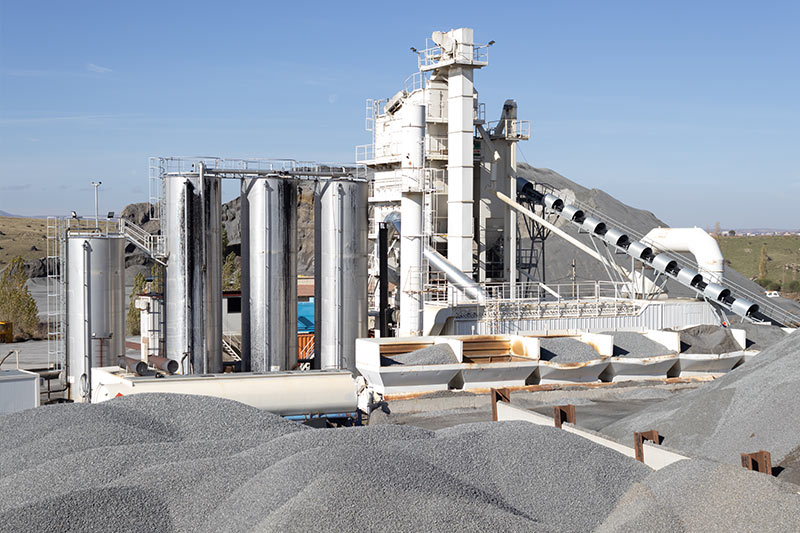
The rotary kiln represents the heart of cement production, operating at temperatures between 1350°C and 1400°C to convert raw meal into clinker. Advanced control systems optimize kiln speed and production flow while minimizing energy consumption and maximizing throughput. ABB drives with Direct Torque Control (DTC) provide precise speed and torque management without additional sensors, ensuring stable operation regardless of kiln load conditions. Modern implementations use model predictive control (MPC) to stabilize temperature profiles along the kiln length, guarantee optimal combustion conditions, and maximize production rates. Process optimization at facilities like the Adana cement plant in Turkey has achieved a 20% decrease in process variation, 10% longer refractory life, 2% energy savings, and 2% production increase through integrated kiln control.
Raw Mill Control
Raw mill systems grind limestone, sandstone, and iron powder into homogeneous raw meal for kiln feed. The DCS manages automatic level control of raw material feeders, mill motor load optimization, and classifier speed adjustment to achieve target fineness. Discharge control from raw meal homogenization silos uses feedback from solid flowmeters to regulate electric flow valves, stabilizing raw meal feed rates into the kiln and ensuring consistent firing zone conditions. Integration between mill control and kiln operations enables coordinated adjustments that maintain stable production despite variations in raw material properties.
Clinker Cooler Automation
Clinker coolers rapidly reduce clinker temperature from 1350-1400°C to approximately 65°C through forced air cooling. The control system manages primary, secondary, and tertiary air flows to optimize cooling rates while recovering waste heat for power generation or coal drying. Automatic material layer thickness control adjusts grate speed based on under-grate pressure measurements to stabilize bed thickness, which directly affects secondary air temperature and kiln stability. For multi-stage grate coolers, the PLC coordinates individual grate speeds and hydraulic drive systems to ensure uniform clinker distribution and effective cooling performance. Precise cooling control induces optimal thermal stress patterns that create micro-cracks, improving cement grindability and final product strength.
Spare Parts Focus: Dust Environment Challenges
Cement plants operate in extreme “high-dust” environments where airborne cement dust, limestone particles, and coal ash infiltrate control cabinets and accelerate component degradation. This harsh environment creates unique spare parts requirements for facilities running ABB control systems.
ABB MasterPiece Legacy Systems
Many older cement plants worldwide continue operating ABB MasterPiece distributed control systems installed in the 1990s and early 2000s. These legacy installations require ongoing access to discontinued controller modules, operator workstations, I/O cards, and communication interfaces. Dust accumulation on circuit boards causes tracking, short circuits, and overheating failures that necessitate frequent module replacement. Plants with MasterPiece systems depend on sourcing tested, genuine spare parts from specialized suppliers to maintain production continuity as original manufacturer support has ended.
AC800M Controller Spare Parts Demand
The ABB AC800M controller series represents a modern, ruggedized platform designed specifically for harsh industrial environments including cement production. Despite its robust design with wide temperature tolerance and EMI resistance, AC800M modules in cement plants experience higher-than-normal failure rates due to dust infiltration. Critical spare parts include AC800M controller CPUs that execute all regulatory and advanced control logic, S800 I/O modules installed in field cabinets near dusty process areas, communication modules connecting distributed controllers and operator stations, and redundant power supply units protecting against voltage fluctuations common in cement plants. The system’s open architecture and support for hot-swap replacement allows maintenance teams to exchange failed modules without complete system shutdowns, but only when adequate spare inventories are maintained.
Environmental Protection and Spare Parts Strategy
To reduce spare parts consumption, cement plants implement multiple protection measures including pressurized control rooms with filtered air supplies, sealed cabinets with positive pressure ventilation for field-mounted I/O, and periodic cleaning schedules for cabinet interiors and cooling fans. Despite these precautions, the combination of fine cement dust penetration, temperature cycling, and continuous operation means that controller and I/O module replacement rates in cement plants typically exceed those in cleaner industries by 2-3 times. Successful maintenance strategies combine environmental controls with robust spare parts inventories covering all critical controller types, I/O modules, and communication hardware to ensure that production interruptions from control system failures remain minimal.