
Description
Yokogawa S2BN5D-121C0 S2 | Base Unit for N-IO | In-Stock
Dynamic Product Introduction
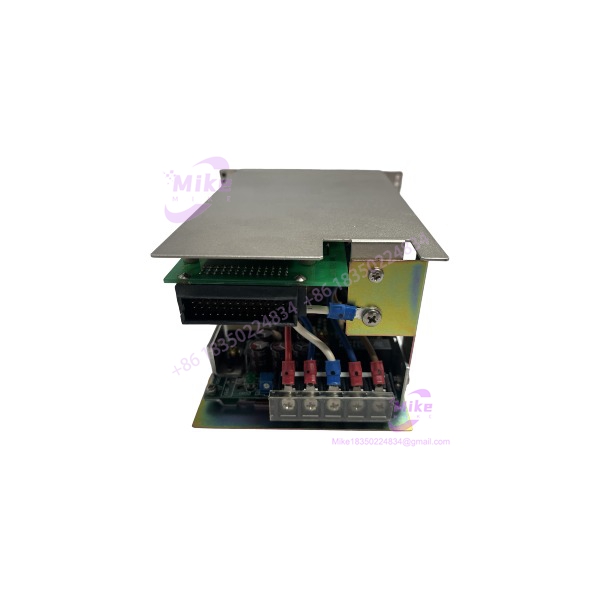
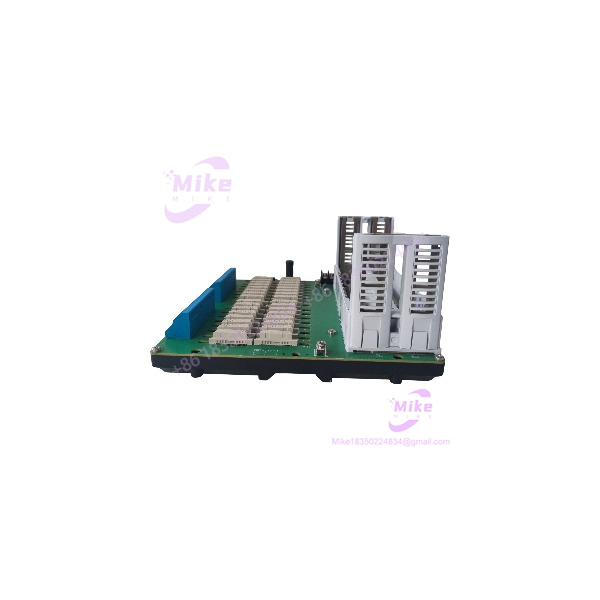
Building robust, high-availability process control networks in Yokogawa CENTUM VP architectures relies on heavy-duty, redundant base hardware. The Yokogawa S2BN5D-121C0 S2 serves as the primary 16-channel base plate for Network I/O (N-IO) modules, housing signal conditioners and field I/O interface units. Deploying an exact-spec S2BN5D-121C0 S2 base plate ensures seamless physical mounting, signal isolation, and bus routing without requiring cabinet mechanical alterations or control loop re-engineering.
Engineered to operate continuously in aggressive industrial process environments, the Yokogawa S2BN5D-121C0 S2 features dual 24 V DC power feeds and redundant communication channels to prevent single-point hardware failures. Its Style S2 manufacturing update incorporates improved backplane connector pin plating and enhanced electromagnetic noise rejection. For control systems engineers, Instrument & Electrical (I&E) teams, and plant managers performing CENTUM VP upgrades or emergency maintenance, this base unit delivers a certified, rock-solid foundation for field telemetry.
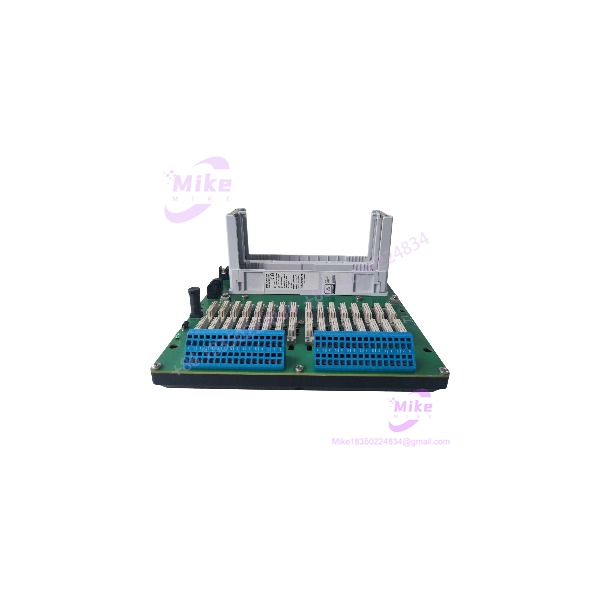
S2BN5D-121C0 S2
Key Technical Specifications
- Model Identification: Yokogawa S2BN5D-121C0 S2
- System Platform: CENTUM VP / ProSafe-RS System Integration
- Capacity: 16 I/O Channels (Supports N-IO I/O modules and Adaptor nests)
- Power Supply: Dual Redundant 24 V DC Inputs (19.2 V DC to 28.8 V DC operating range)
- Insulation Resistance: > 100 MΩ at 500 V DC between field circuits and system ground
- Withstanding Voltage: 1500 V AC for 1 minute between field circuits and system power
- Mounting Type: 35 mm DIN-Rail or direct M5 panel mounting
- Operating Temperature: -20°C to +70°C (-4°F to +158°F)
- Conformal Coating: Standard Option C (ISA Standard S71.04 Class G3 Harsh Environment Protection)
Global Sourcing & Live-Test SOP (Transparency Core)
To guarantee zero-defect field installation, every reconditioned or factory-surplus Yokogawa base unit undergoes a strict multi-point physical and diagnostic validation protocol before dispatch:
- Inbound Mechanical Inspection: Visual inspection under magnification to verify model code S2BN5D-121C0 S2, inspect backplane connector pin alignment, check DIN-rail locking spring tension, and verify conformal coat integrity.
- Power Bus Continuity & Isolation Test: Both primary (PWR1) and secondary (PWR2) 24 V DC power traces are tested under maximum load to verify internal decoupling diode function and low-impedance power delivery (Verification: 0 V drop across internal power distribution rails).
- N-COM Communication Continuity: The base plate is coupled to a Yokogawa CENTUM VP test node to verify dual-redundant bus communication handshakes across all 16 I/O slots.
- High-Potential (Hi-Pot) Dielectric Test: 1500 V AC is applied between field terminal mounting pads and frame ground to confirm complete galvanic isolation.
- Final Prep: Backplane pin sockets receive anti-corrosion spray treatment, terminal covers are verified, and the base plate is packaged inside ESD-shielded protective packaging.
The Field Engineer’s Pitfall Guide
Redundant Power Phase & Grounding Hazard
Verify that primary and secondary 24 V DC power feeds originate from isolated power supplies bonded to a common instrument earth reference. Voltage potential differences between power rails can cause ground loops across the N-COM communication shield.
❗ Incorrect Base Model Option Codes: The suffix digits (“121C0”) specify particular field interface types, cable connector orientations, and conformal coating options. Installing a base plate with incompatible option codes can prevent I/O modules from latching mechanically or seating properly on backplane pins.
❗ Force-Seating Modules on Bent Backplane Pins: Aligning N-IO modules off-angle during hot-swapping can bend delicate backplane guide pins inside the S2BN5D-121C0 S2 base plate sockets. —In field deployments, I’ve seen an entire 16-channel drop go offline because a technician forced an I/O card into a base unit with a bent pin, shorting the 24 V field supply to the communication bus.
❗ Un-torqued Panel Grounding Brackets: Failing to secure the frame ground (FG) terminal strap to the panel backplate invalidates the Class G3 environmental and noise immunity ratings, leaving connected I/O vulnerable to VFD switching spikes.
Intent-Driven FAQ
What is the function of the S2BN5D-121C0 S2 base unit in a Yokogawa CENTUM VP system?
The S2BN5D-121C0 S2 serves as the 16-channel physical mounting base and electrical backplane for Yokogawa N-IO (Network I/O) modules, facilitating dual-redundant power distribution and communication link connections.
What does the “S2” suffix represent in the model number?
The “S2” suffix indicates the hardware revision level (Style 2), which features updated internal PCB layouts, higher noise rejection components, and enhanced backplane plating over earlier Style 1 units.
Can the Yokogawa S2BN5D-121C0 S2 base unit be hot-swapped during operation?
While individual N-IO modules seated on the base unit can be hot-swapped, replacing the main S2BN5D base unit itself requires isolating field terminal wiring and powering down the local I/O node.
How do I test if dual power redundancy is operating properly on the base unit?
Measure DC voltage directly at the input power terminals for both Rail A and Rail B (Verification: Input voltages should both read within 24 V DC ±10%; removing Power Rail A should cause zero disruption or voltage drop on active I/O slots powered by Rail B).
What standard warranty is provided for reconditioned and factory-sealed units?
All reconditioned and factory-sealed surplus units carry a comprehensive 1-year replacement warranty covering power trace continuity, backplane pin integrity, and signal isolation stability.