Description
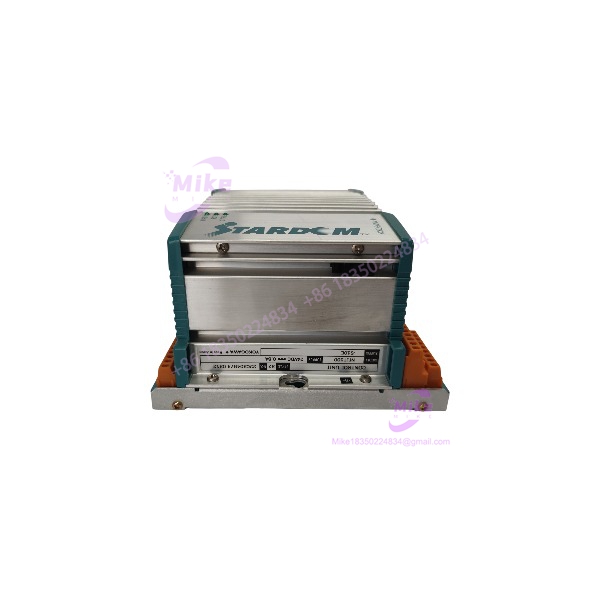
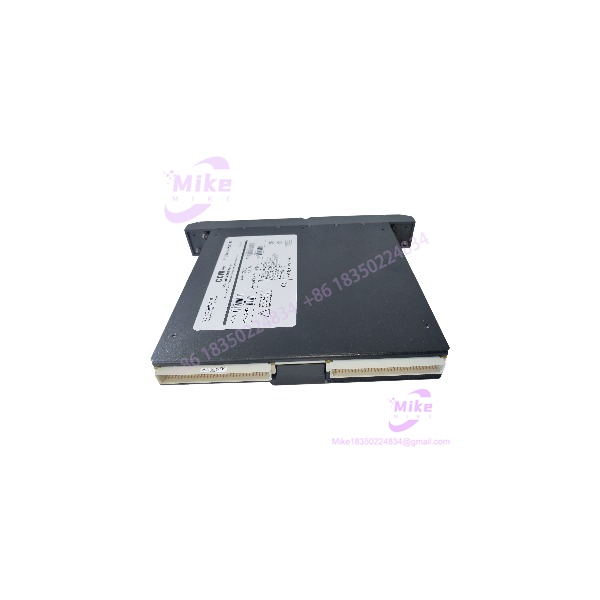
Yokogawa PSCCM22AAN | In-Stock CENTUM VP / CS3000 Module
Dynamic Product Introduction
Few things freeze a plant operator’s blood faster than a primary control module dropping offline during an automated shutdown sequence. When critical process loops in refinery unit operations or chemical plants lose node arbitration, relying on unverified control hardware poses massive operational risks. The Yokogawa PSCCM22AAN Critical Control Module acts as a main processing and communication anchor within Yokogawa CENTUM architectures, ensuring deterministic logic execution without software latency.
Built around a dual-channel redundant architecture, the PSCCM22AAN handles high-speed RS-232/485 serial handshakes alongside industrial Ethernet/IP and Modbus protocols. Its internal circuitry converts incoming 24 VDC power down to low-noise \pm 15 VDC logic rails, driving high-performance digital signal processors while isolating the core CPU backplane from external field surge transients. Whether you are replacing a failed node in a continuous process cell or staging spare inventory for turnaround maintenance, the PSCCM22AAN provides the hardware resilience required to keep safety instrumented systems active.
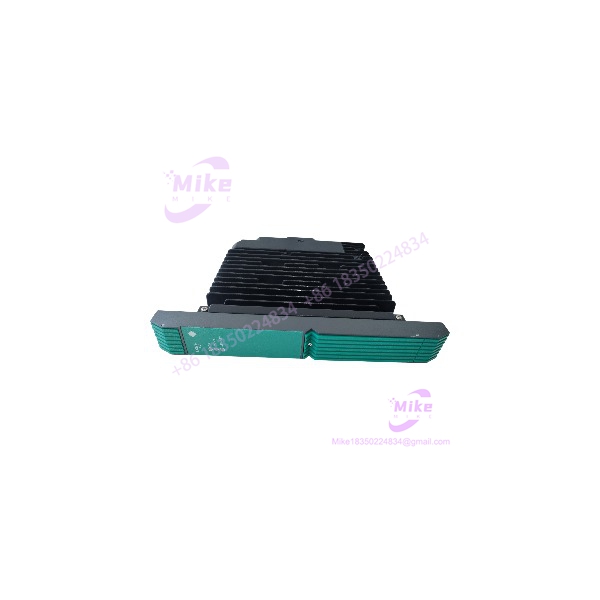
PSCCM22AAN
Key Technical Specifications
- Manufacturer & Series: Yokogawa CENTUM VP / CS 3000 System Architecture
- Part Number Variations: PSCCM22AAN / 16418-531/4 / 16418-5312
- Input Power Requirement: 24 VDC nominal (0.60 A maximum current consumption)
- Internal Bus & Signal Voltage: \pm 15 VDC communication logic level
- Supported Communication Protocols: Modbus RTU, Modbus TCP/IP, RS-232/RS-485, and Ethernet/IP
- Redundancy Support: Dual-redundant hot-standby configuration with automatic hardware failover
- Diagnostic Capabilities: Integrated watchdog timer, memory parity checks, real-time power rail monitoring, and front-panel status LEDs
- Isolation & Protection: Galvanic isolation between power input, internal logic, and external serial communication ports
- Operating Ambient Temperature: -20°C to +70°C (-4°F to +158°F) operational window
- Ingress & Enclosure Class: IP20 rated industrial protective housing
- Certifications: CE, RoHS compliant, hazardous area approvals
Global Sourcing & Live-Test SOP (Transparency Core)
Procuring secondary-market DCS modules requires comprehensive electrical and logical verification before installing components into an active process control loop. Every Yokogawa PSCCM22AAN unit passing through our inventory undergoes a strict 5-stage bench test SOP:
- Inbound Verification: Serial numbers on the PSCCM22AAN faceplate and PCB silk screen are matched against Yokogawa production manifests. We inspect the multi-pin backplane edge connectors for gold-plating wear, check the integrated aluminum heat sinks for mechanical damage, and verify that surface-mount capacitors show no thermal degradation.
- Live Simulation: The module is racked into an authentic Yokogawa node chassis powered by an isolated 24 VDC power supply. A redundant secondary PSCCM22AAN module is installed adjacent to the test unit to build a active dual-standby pair.
- Diagnostics: Communication handshakes are forced across RS-485 and Modbus interfaces using a serial bus analyzer. We step the node through primary-to-secondary failover scenarios, verifying that control ownership transfers in under 20 milliseconds without dropping process image data or triggering DCS system alarms.
- Electrical & Insulation Soak: A Fluke multimeter measures internal power conversion rails to confirm the output holds at \pm 15 VDC under maximum communication load. An insulation resistance test at 500 VDC verifies >100 MΩ resistance between input power terminals and the chassis ground shell.
- Final Prep: Baseline firmware revisions are recorded, terminal connectors are fitted with anti-static covers, and the entire PSCCM22AAN module is sealed inside a moisture-barrier ESD pouch.
The Field Engineer’s Pitfall Guide
❗ ROM Firmware and Hardware Revision Mismatches:Never pair a PSCCM22AAN module running legacy ROM version 3.03 with a secondary redundant partner running newer v4.x firmware. When replacing a single failed module in a redundant rack, mismatching firmware revisions prevents automatic database synchronization between the units, causing the redundant slot to sit in a permanent “Offline Sync Error” state.
❗ Neglecting Ground Shielding on Communication Loops: Connecting RS-485 or serial Modbus field lines to the PSCCM22AAN without grounding the cable shield at a single central ground point creates ground loops. In field deployments, high-frequency electrical noise riding on ungrounded shields can corrupt the module’s \pm 15 VDC communication signals, resulting in random packet drops and spurious field node offline alarms.
❗ Swapping Under Power Without Disabling Rack Inhibits: While the PSCCM22AAN is rated for hot-swap replacement in redundant chassis setups, pulling the active primary module before verifying that the secondary standby unit is fully synchronized will trip the entire node. Always verify on your CENTUM diagnostic display that the partner card status reads “READY / STANDBY” before unseating the active PSCCM22AAN card from the rack.
Intent-Driven FAQ
Q: Can I run the PSCCM22AAN in a single-module configuration without a redundant partner? Yes. The PSCCM22AAN can operate as a standalone critical control processor in non-redundant racks. However, you must install a bus termination block in the adjacent slot or adjust the chassis DIP switch settings so the backplane logic does not constantly scan for a missing redundant partner.
Q: How do I verify if a field-installed PSCCM22AAN module has suffered an internal power conversion failure? Measure the 24 VDC supply voltage across the main input terminals. If 24 VDC is present but the front-panel Power/Status LED remains dark, check the internal conversion rails across the backplane pins using a multimeter. An absence of the required internal \pm 15 VDC signal indicates an internal switching power stage failure.
Q: Is the PSCCM22AAN directly interchangeable with older Yokogawa CCM series modules? Physically, many Yokogawa CCM modules share similar form factors, but electrically and logically they differ in memory allocation and processor speed. Always check your DCS software project file to ensure the system configuration accepts the exact PSCCM22AAN part number (e.g., 16418-531/4) before physically inserting the card into a live rack.
Q: Does replacing a PSCCM22AAN module require downloading the control program from the engineering workstation? If you are swapping the card in a dual-redundant pair while the system is live, the new PSCCM22AAN will automatically download the active logic memory from its online partner once seated. If replacing a card in a single-unit offline rack, you must re-download the node configuration and logic program from the CENTUM software suite.
Q: What is the maximum power consumption of the PSCCM22AAN during full communication traffic?Under maximum load with all serial and network ports actively transmitting, the PSCCM22AAN draws a maximum of 0.60 A at 24 VDC (approximately 14.4 Watts). Ensure your system power supply unit (PSU) has adequate headroom to supply this current along with all other rack-mounted modules.