
Description
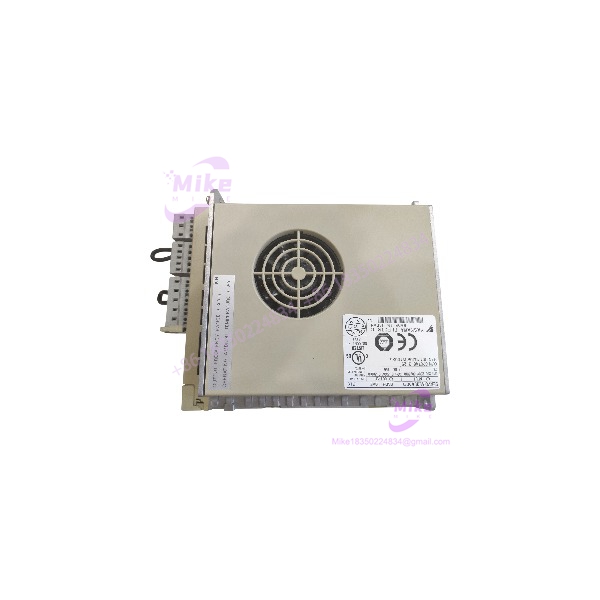
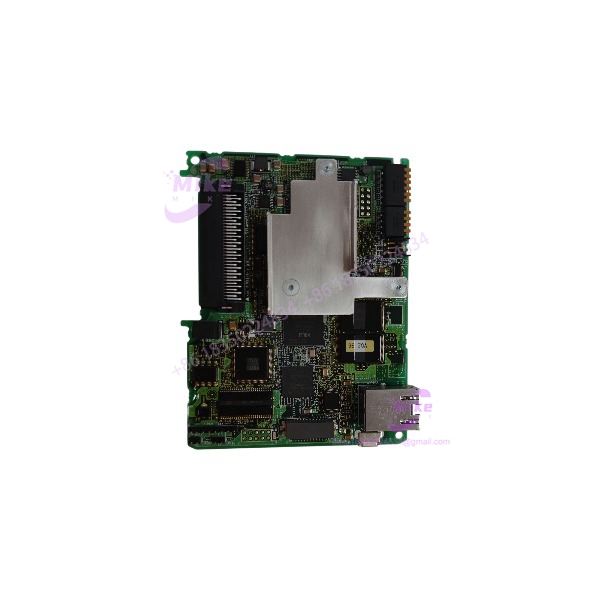
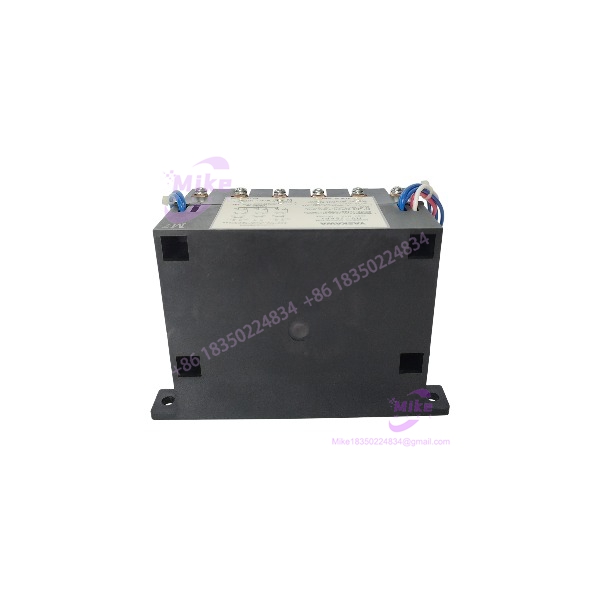
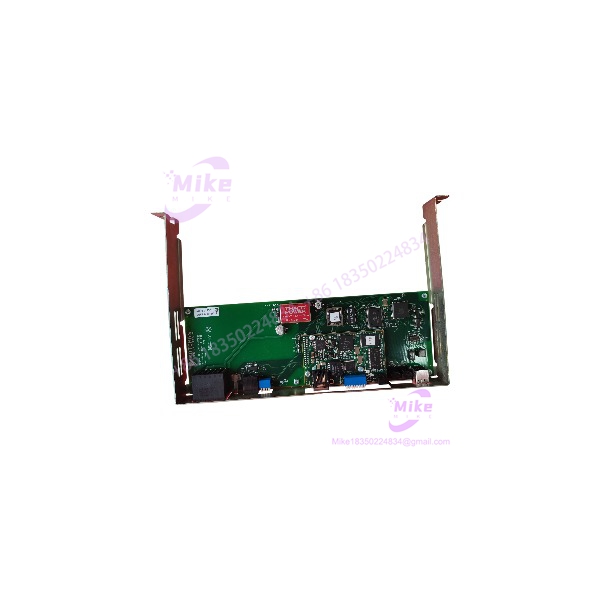
Yaskawa SARCR-XFB01A01 | DeviceNet Fieldbus Interface Board Core Category
Dynamic Product Introduction
When a network card drops off a DeviceNet trunk line during a high-speed manufacturing run, the resulting bus-off fault can shut down an entire cell in seconds. Honestly, sourcing obsolete communication hardware without risking counterfeit chips or intermittent pin degradation tests the patience of any lead controls engineer.
Designed to integrate legacy Yaskawa drives into standardized automation networks, the SARCR-XFB01A01 bridges the gap between older node hardware and open industrial fieldbus ecosystems. Field deployments show that swapping in a verified SARCR-XFB01A01 restores packet transmission integrity instantly—though this strictly demands proper baud rate matching and terminator verification. When communication errors threaten your production targets, deploying a tested SARCR-XFB01A01 provides reliable network recovery.
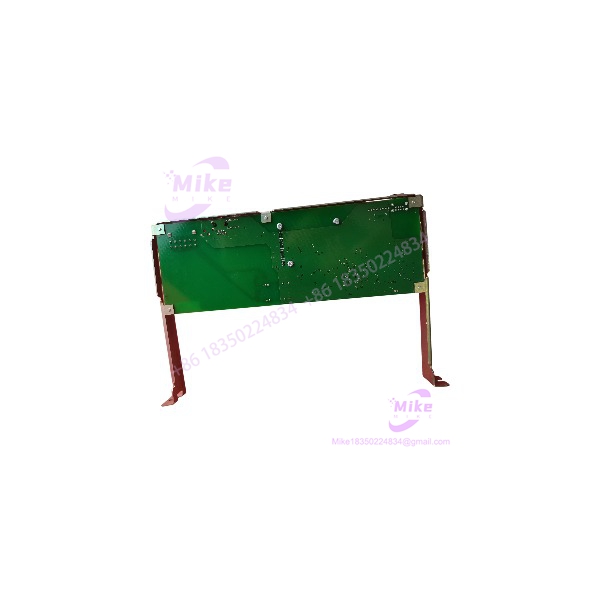
SARCR-XFB01A01
Key Technical Specifications
- Power Supply Voltage: 24 VDC external bus power
- Communication Protocol: DeviceNet open network standard
- Interface Type: Plug-in communication expansion board
- Baud Rate Support: 125 kbps, 250 kbps, 500 kbps selectable via configuration
- Isolation: Galvanically isolated transceiver circuitry
- Operating Temperature: 0°C to 55°C ambient parameters
- Humidity Range: 5% to 95% RH (non-condensing)
- Physical Dimensions: Standard proprietary card-edge form factor for compatible Yaskawa racks
Global Sourcing & Live-Test SOP (Transparency Core)
Procuring discontinued secondary-market communication boards requires a zero-trust verification protocol. Inbound shipments of communication modules undergo strict customs paperwork tracing and microscopic inspection to weed out counterfeit components or reflowed chips.
Once cleared, each board moves to our specialized electronics test bench. Technicians seat the card into a live Yaskawa rack powered by a stable 24 VDC supply. We run a 24-hour thermal soak while generating high-traffic DeviceNet poll-response telegrams to stress the transceiver logic. Oscilloscope diagnostics verify signal amplitude and eye-pattern integrity on the differential data lines. Finally, configuration registers are cleared, and the board is sealed in anti-static ESD packaging before dispatch.
The Field Engineer’s Pitfall Guide
❗ Baud Rate Mismatch on Bus Startup: Forgetting to match the physical DIP switches or software-defined baud rate of a replacement communication board to the existing network master will trigger immediate bus-off errors across the entire trunk. I once watched a material handling line sit idle for three hours because a technician swapped a network card without checking the 500 kbps drop settings.
❗ Improper Shield Grounding: Leaving the DeviceNet drain wire ungrounded at a single point or letting it touch cabinet earth in multiple places creates ground loops, introducing electromagnetic interference that corrupts packet delivery. Always verify shield continuity with a multimeter before powering up the network segment.
❗ Hot-Plugging Under Power: Inserting or removing communication expansion cards while the 24 VDC rack power is active can fry delicate transceiver microchips through voltage spikes. Always lock out cabinet power and verify complete voltage discharge before handling internal cards.
Intent-Driven FAQ
Will I lose network node addresses when swapping out this communication board? Network node addresses (MAC IDs) are typically set via physical hardware DIP switches or stored in the master PLC configuration, so always record existing switch settings before unsealing the failed card.
Are surplus communication cards supplied in factory-sealed packaging? Inventory conditions vary between factory-new surplus and professionally refurbished stock, but every unit passes a rigorous bench-test simulation under live network traffic before shipment.
Can I use this board across different controller product families? No, communication expansion boards are highly hardware-specific and must match the exact backplane slot and firmware generation of your host controller.
What causes intermittent node dropouts after installing a replacement board? Intermittent drops usually point to missing terminal resistors at the ends of the trunk line, loose connector screw terminals, or electrical noise from nearby inverter drives rather than a card failure.
What warranty coverage is included with a secondary-market module? Replacement and surplus network boards include a comprehensive 12-month operational warranty covering component integrity and communication stability under standard industrial conditions.