


Description
Woodward 9907-1199 | CPC-II Electrohydraulic Pressure Converter Core Category
Dynamic Product Introduction
Plagued by sluggish valve response and high-frequency pressure noise from aging I/O converter blocks, modern steam turbine skids demand high-fidelity hydraulic control interfaces. The Woodward 9907-1199 operates as an advanced CPC-II (Current-to-Pressure) electrohydraulic converter designed to translate controller demands into smooth, authoritative actuation. Unlike traditional legacy I/H converters that suffer from over-damping and rapid internal wear due to fluid contamination, this Generation II unit integrates patented “dirt-tolerant” self-cleaning valving technology.
Stepping past older legacy CPC hardware, this specific 10-bar simplex variant delivers superior dynamic loop performance and tighter control tolerances in explosive work environments. Field operating data shows that dropping in a CPC-II node eliminates hydraulic instability during rapid plant load transients while significantly extending service intervals under standard 40-micron oil filtration standards.
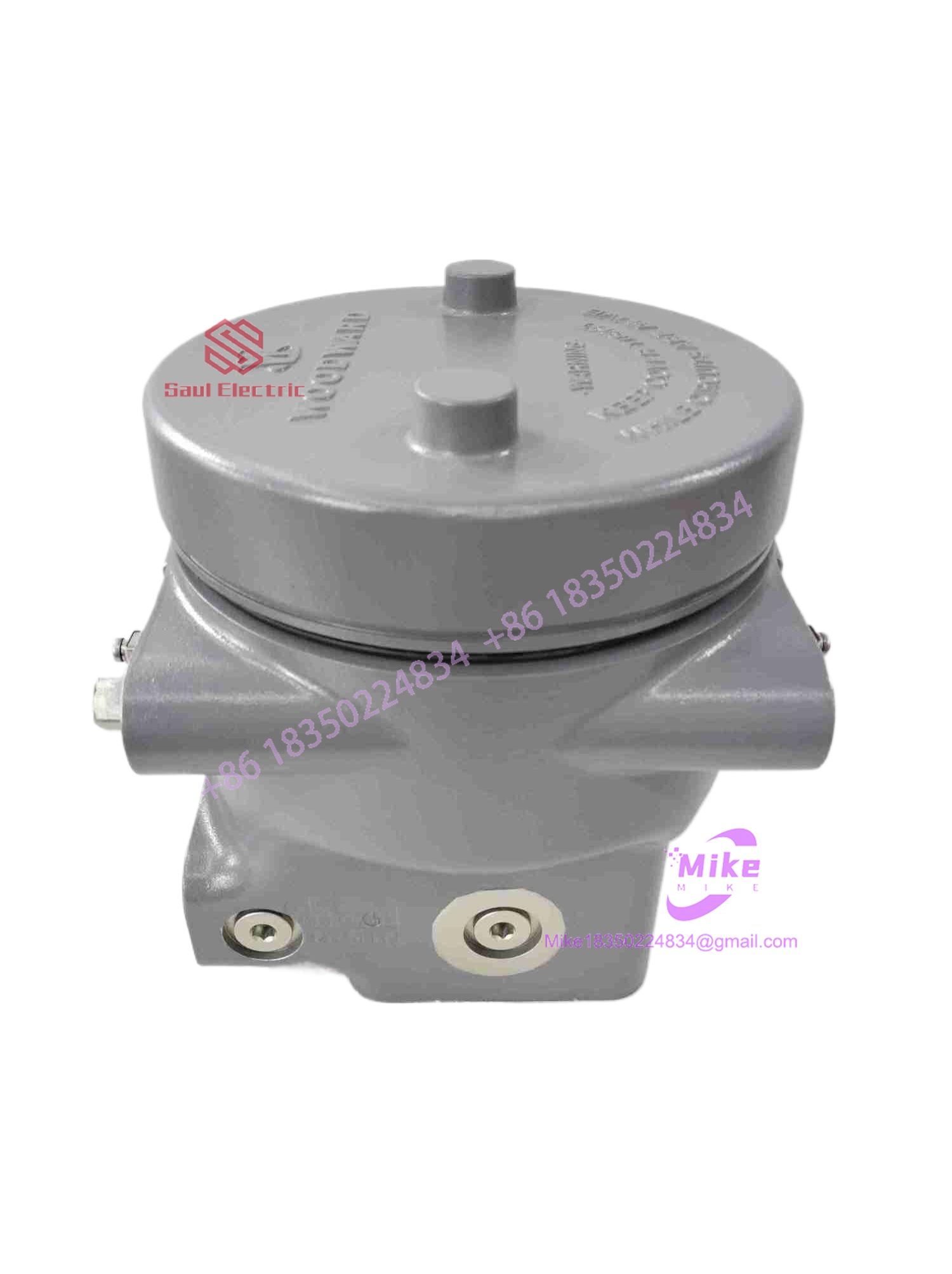
9907-1199
Key Technical Specifications
- Converter Type: Current-to-Pressure (I/P or I/H) Electrohydraulic Servo Converter
- Hydraulic Pressure Range: 0 to 10 Bar operational maximum
- Configuration: Simplex Architecture (Enhanced Dynamics Profile)
- Hazardous Area Certification: ATEX Zone 1 (and Zone 2 compliance options)
- Input Command Signal: 4–20 mA loop-powered or analog control reference
- Fluid Filtration Requirement: Compatible down to 40 µm system filtration via dirt-shedding design
- Operating Temperature Range: -20^\circC to +85^\circC industrial hydraulic ambient tolerance
- Mounting Interface: Direct drop-in bolt pattern compatibility with legacy Woodward CPC manifold footprints
- Enclosure Rating: Heavy-duty weather-sealed industrial cast housing
- Weight: ~5.4 kg (12 lbs)
Global Sourcing & Live-Test SOP (Transparency Core)
Deploying replacement electrohydraulic converters on critical turbine skids requires an uncompromising verification pipeline to guarantee pressure control linearity and leak-free integrity.
- Inbound Verification: Incoming units are audited against official OEM manufacturing lots. Manifold port surfaces and electrical receptacles are inspected under optical magnification for pin pitting, thread damage, or hydraulic oil varnish.
- Live Simulation: The converter is mounted onto a specialized hydraulic test bench running certified ISO-grade turbine oil at regulated temperature and pressure parameters up to 10 bar.
- Diagnostics: Technicians execute full-scale 4–20 mA input sweeps, measuring output hydraulic pressure response times and linearity curves using high-precision digital transducers. Units undergo a 24-hour thermal and pressure soak cycle to detect internal spool binding or pilot stage drift.
- Final Prep: Once pressure stability logs clear calibration baselines, hydraulic ports are purged, sealed with threaded protective plugs, and the unit is packaged in an anti-corrosive barrier container.
The Field Engineer’s Pitfall Guide
❗ Flushing Debris Directly into Pilot Nozzles During Installation: Failing to thoroughly flush external hydraulic supply lines prior to bolting down the CPC-II can trap construction particulate in the fine internal clearances, causing immediate calibration offset or spool sticking. (I’ve seen plants ruin a fresh converter within ten minutes of startup because supply headers weren’t loop-flushed.) Always flush oil piping downstream through a temporary bypass plate first.
❗ Ignoring Supply Pressure Spikes Above the 10 Bar Rating: Exceeding the maximum operating pressure ceiling of a 10-bar variant via unmonitored header surges can rupture internal diaphragms and distort precision feedback linkages. Always verify upstream pressure-reducing valve settings with a calibrated gauge before landing supply lines.
❗ Mismatching Hazardous Area Grounding Bonds: Neglecting to tie the external enclosure earth-ground lug directly to the turbine skid grounding grid in an ATEX Zone 1 environment creates a static discharge hazard and violates safety compliance codes. Always verify low-resistance ground continuity with a digital multimeter.
Intent-Driven FAQ
Will swapping this CPC-II unit require alterations to my existing hydraulic manifold mounting pattern?
No. The Woodward 9907-1199 is engineered as a direct drop-in form, fit, and functional replacement for legacy Woodward CPC and select older hydraulic converter interfaces, utilizing the identical manifold bolt circle and port alignment.
Can this converter be hot-swapped while the steam turbine is running under load?
In a simplex 9907-1199 configuration, hot-swapping is not recommended because interrupting hydraulic pressure to the servo-valve will cause an immediate loss of steam control, risking a turbine trip. Simplex replacements require taking the local valve loop offline and depressurizing the hydraulic header.
What causes the output pressure to drift or hunt around the setpoint?
Pressure hunting typically points to contaminated hydraulic fluid interfering with the internal flapper-nozzle or spool assembly, an unstable 4–20 mA input signal from the controller, or air trapped within the internal pilot cavities. Bleeding the hydraulic lines and checking command signal shielding usually isolates the fault.
Is the CPC-II compatible with fire-resistant synthetic turbine fluids (phosphate esters)?
Standard configurations are optimized for mineral-based petroleum turbine oils. If your facility utilizes specialized synthetic fire-resistant fluids (like Skydrol or similar phosphate ester blends), you must verify that internal elastomer seals and O-ring materials are explicitly rated for those chemical compounds.
What kind of warranty accompanies surplus or refurbished 9907-1199 units?
Reputable industrial suppliers typically back tested surplus or refurbished electrohydraulic hardware with a standard 1-to-2 year replacement warranty, backed by an independent bench-test report confirming pressure linearity and flow output accuracy across the 0–10 bar span.





