


Description
Triconex CM3201 | Trident Safety Communication Module
Dynamic Product Introduction
Integrating isolated safety instrumented layers into a broader plant network without exposing critical shutdown logic to data storms remains a core engineering challenge. Deploying a genuine Triconex CM3201 module establishes a secure, deterministic pipeline for telemetry and diagnostics between the safety controller and upper-level supervisory networks.
Unlike general-purpose serial cards, this communication processor is explicitly designed to handle high-speed data mapping for Triconex environments without taxing internal logic execution cycles. Integrating a fresh CM3201 unit guarantees seamless peer-to-peer data synchronization and robust multi-protocol handling, protecting the overarching safety infrastructure against packet bottlenecks or dropped diagnostic frames.
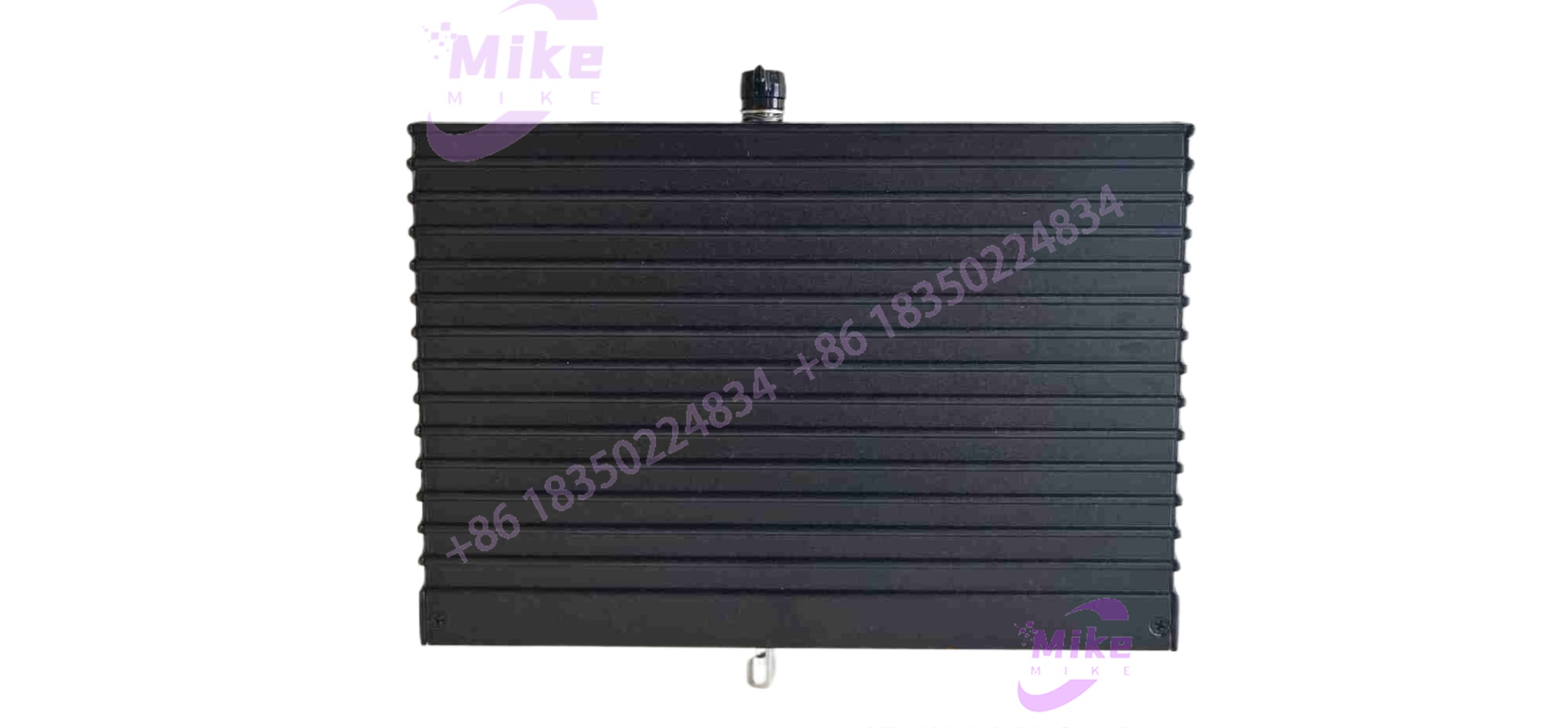
CM3201
Key Technical Specifications
| Core Parameter | Technical Specification |
| Product Model | CM3201 (CM3201 S2) |
| Manufacturer | Triconex (Schneider Electric) |
| System Compatibility | Trident Safety Systems (v10.0 and higher) |
| Nominal Input Voltage | 24 V DC (19.2 to 30 V DC range) |
| Network Interfaces | 2x Ethernet ports (10BaseT Net1, 100BaseTX Net2) |
| Serial Ports | 3x Configurable RS-232 / RS-485 ports |
| Supported Protocols | Modbus Master/Slave, TCP/IP, UDP, TSAA, TriStation |
| Max Logic Power Consumption | 8 Watts |
| Operating Temperature | -40°C to +70°C industrial threshold |
| Physical Dimensions / Weight | 22 cm × 16.9 cm × 4.4 cm; ~5.0 kg |
Global Sourcing & Live-Test SOP (Transparency Core)
Acquiring legacy or surplus safety communication hardware demands an airtight chain-of-custody verification to eliminate counterfeit risks and infant mortality failures.
- Inbound Verification: Every incoming CM3201 shipment undergoes microscopic pin-array examination and holographic anti-counterfeit checks cross-referenced against factory traceability logs.
- Live Simulation: Technicians seat the hardware onto an active Trident testing chassis rack powered by stable DC rails to verify backplane bus initialization and internal clock sync.
- Diagnostics: Engineers execute full telegram traffic loops across all three serial lines and dual Ethernet ports, validating Modbus data mapping and TCP/IP handshake stability under a 24-hour thermal soak.
- Final Prep: Units receive complete firmware auditing, static-dissipative wrapping, and vacuum sealing inside heavy-gauge moisture-barrier bags accompanied by desiccant packs.
The Field Engineer’s Pitfall Guide
❗ Firmware Revision Mismatches: Dropping a replacement variant onto an active rack without matching the underlying system firmware profile can instantly sever communication links to the DCS. I’ve seen plant commissioning schedules stall for an entire afternoon because an unaligned network node rejected the active project protocol structure.
❗ Port Parameter Blindness: Neglecting to replicate exact baud rates, parity bits, and node addresses from the legacy card configuration onto the incoming serial lines will orphan connected field instruments. Always pull and verify the configuration file locally before inserting the module into a live slot.
❗ Backplane Slot Keying Errors: Forcing the into an unassigned or mechanically incompatible chassis slot can bend backplane pins and compromise system-wide power distribution rails. Always cross-check system layout engineering drawings prior to physical insertion.
Intent-Driven FAQ
Will swapping this communication module disrupt active safety execution loops?
No, the safety logic execution runs on dedicated processor cores separate from the communication handling. However, swapping the will temporarily interrupt external data visibility to DCS and HMI terminals until the node handshakes successfully.
Are these units original factory sealed or surplus inventory?
Available stock spans both factory-sealed original boxes and fully tested secondary surplus units. Every single module undergoes rigorous bench diagnostics and thermal stress testing prior to leaving our facility.
Can I use this module to connect third-party SCADA systems?
Yes, the hardware natively supports open industrial protocols including Modbus Master/Slave and TCP/IP, allowing seamless data integration with third-party monitoring packages.
What is required to configure the communication ports post-installation?
Port mapping, IP configurations, and protocol parameters are managed directly via authorized engineering software toolchains designed for the safety controller environment.
What warranty coverage is included with a replacement module?
All supplied units carry a comprehensive 1-year operational warranty covering internal component health, communication port integrity, and baseline signal processing stability.
Are you integrating this module into an active greenfield safety cabinet expansion or utilizing it as a hot-spare replacement for an existing node?





