


Description
TEL Mark 8 | 1380-101545-11 SMIF Indexer CONN Board Core Category
Dynamic Product Introduction
Wafer pod loading errors and intermittent communication faults on legacy TEL Mark 8 track systems often trace back to aging interface boards within the SMIF indexer housing. When a connection PCBA suffers from trace oxidation or thermal fatigue under continuous cleanroom cycling, pod-opening handshakes fail and trigger fab line alarms. The TEL Mark 8 1380-101545-11 SMIF indexer connection board resolves these issues by restoring reliable signal routing and secure data handshaking between the loader mechanics and system controller.
Unlike generic automation cards, this specialized circuit board is engineered specifically to withstand the mechanical vibration and electrostatic challenges of high-throughput 8-inch wafer processing environments. Maintaining absolute reliability on legacy TEL track platforms demands exact hardware matching—making this connection PCBA critical for preventing unexpected fab downtime.
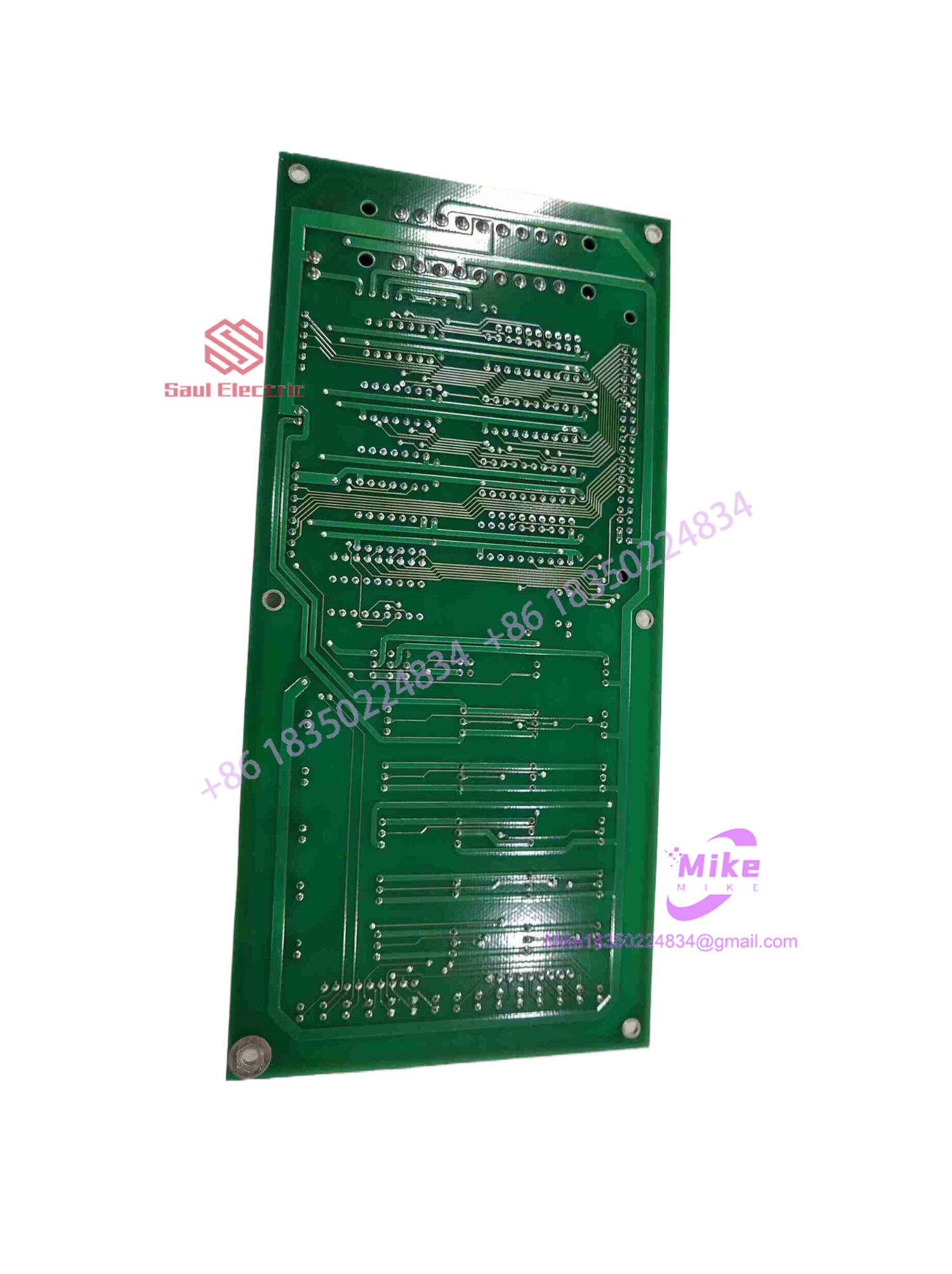
1380-101545-11
Key Technical Specifications
| Parameter | Specification Detail |
| Manufacturer | Tokyo Electron (TEL) |
| Part Number | 1380-101545-11 |
| System Application | TEL Mark 8 (8-inch track systems) |
| Subsystem Module | SMIF Indexer / Pod Loader Architecture |
| Board Type | Connection / Interface PCBA (CONN Board) |
| Interface Topology | Multi-pin backplane and harness connectors |
| Operating Environment | Cleanroom equipment enclosure (15^\circ C to 30^\circ C, non-condensing) |
Global Sourcing & Live-Test SOP (Transparency Core)
Acquiring secondary-market legacy semiconductor automation electronics requires strict verification protocols to ensure zero micro-fissures, pin corrosion, or trace drift before installation. Our multi-stage qualification protocol covers:
- Inbound Verification: Incoming printed circuit boards undergo high-magnification optical inspection along the edge connectors, multi-pin headers, and surface-mount components to check for solder micro-fissures, dust buildup, or thermal stress. OEM part numbers are cross-referenced against historical archives.
- Live Simulation: We mount the connection board onto a dedicated TEL Mark 8 test fixture configured to emulate active SMIF indexer pod-loading sequences and backplane communication traffic.
- Diagnostics: Engineers execute comprehensive signal-continuity and logic-state tests across all input/output pathways using specialized diagnostic tools to verify data integrity under simulated operating cycles.
- Final Prep: Once testing criteria are met, the PCBA is cleaned, contact pins are treated for oxidation prevention, and the unit is sealed inside an antistatic, moisture-barrier shielding bag.
The Field Engineer’s Pitfall Guide
❗ Hot-Plugging Power Risks: Never insert or remove this connection board while the SMIF indexer rack power is active. Doing so can send destructive voltage spikes through the internal logic lines, instantly frying connected controller inputs.
❗ Mismatched Board Revisions: Installing an interface board with an incompatible hardware revision code into an older Mark 8 frame can cause pod-mapping errors and communication dropouts with the main track computer.
❗ Improper Cable Harness Seating: I’ve seen technicians rush a board replacement and fail to seat multi-pin connectors fully, resulting in intermittent pod-present sensor failures and random tool lockups.
Intent-Driven FAQ
Can the 1380-101545-11 board be used across different TEL track generations?
No. This specific part number is designed strictly for the TEL Mark 8 8-inch SMIF indexer architecture and is generally not interchangeable with Mark V or newer TEL Clean Track systems.
What causes these connection boards to fail in the field?
Chronic mechanical vibration from repetitive SMIF pod door opening cycles, combined with normal cleanroom thermal fluctuations, can fatigue solder joints and pin headers over years of operation.
How do I test if my pod-loading error is caused by this board or the sensor itself?
Isolate the fault by checking diagnostic status logs on the tool controller. If multiple pod sensors fail simultaneously despite verified power distribution, the central connection board (CONN board) is likely compromised.
Are replacement components on this circuit board field-repairable?
Due to multi-layer trace architecture and sensitive surface-mount components, component-level field repairs are not recommended. Whole-board replacement ensures cleanroom reliability and safety.
What level of warranty is included with this surplus PCBA?
We back this component with a comprehensive one-year replacement warranty, covering material defects and electrical performance under standard cleanroom working conditions.





