

Description
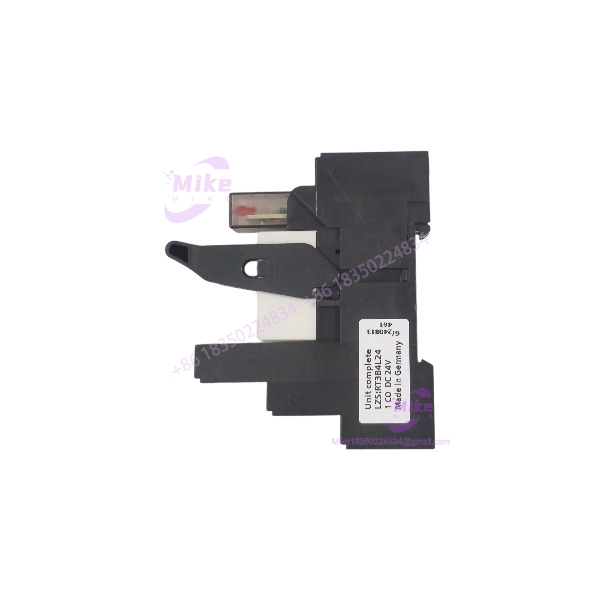
Siemens LZS:RT3B4L24 | Relay Interface Module Core Category
Dynamic Product Introduction
Control panel engineers often confront the frustrating reality of delicate PLC output transistors failing prematurely under harsh inductive loads. The Siemens LZS:RT3B4L24 provides a reliable barrier between sensitive automation hardware and rugged field devices. Unlike generic interface blocks that degrade quickly under frequent switching cycles, this assembly combines a durable electromechanical relay with a robust socket base for clean signal routing. In field deployments, integrating this unit drastically reduces unexpected maintenance calls caused by burnt-out digital output cards.
Deploying the LZS:RT3B4L24 simplifies cabinet wiring layout while ensuring dependable galvanic isolation across distributed control architectures. Frankly, bypassing interposing relays on high-current solenoid valves is a fast track to costly downtime—one that usually leaves technicians troubleshooting phantom signals. By implementing the LZS:RT3B4L24, facilities maintain strict electrical separation and extend the operational life of their core automation controllers.
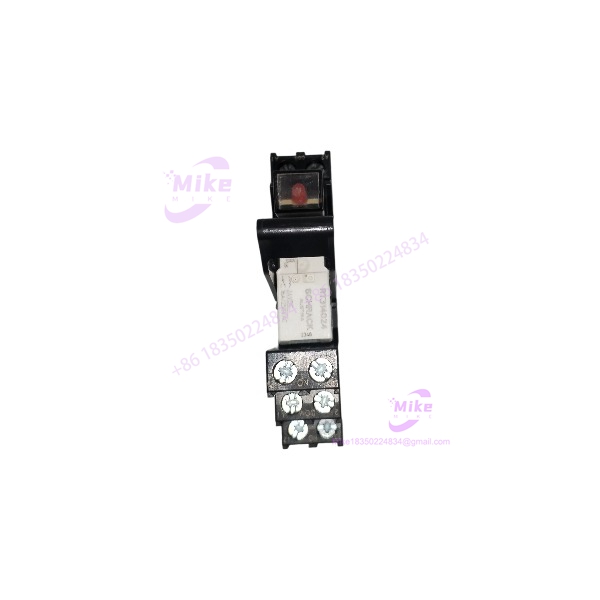
LZS:RT3B4L24
Key Technical Specifications
- Coil Voltage: 24VDC
- Contact Configuration: 3 changeover (CO) / SPDT contacts
- Rated Switching Current: 10A per contact
- Max Switching Voltage: 250VAC
- Status Indication: Integrated LED module on socket
- Mounting Style: Standard 35mm DIN rail (EN 60715)
- Operating Temperature: -40°C to +70°C
- Ingress Protection: IP20 enclosure rating
- Terminal Type: Screw connection technology
Global Sourcing & Live-Test SOP (Transparency Core)
Procuring surplus or replacement industrial automation parts demands an uncompromising quality control pipeline to eliminate counterfeit risks and infant mortality failures.
- Inbound Verification: Every incoming LZS:RT3B4L24 goes through visual inspection under magnification to confirm laser-etched housing markings, correct molded plastic colors, and authentic manufacturer labeling. Serial numbers are cross-referenced against authorized supply databases.
- Live Simulation: Units are placed onto a dedicated test bench powered by calibrated 24VDC power supplies to simulate real-world control cabinet conditions.
- Diagnostics: Technicians execute continuous coil energization cycles while monitoring contact resistance with a Fluke multimeter. A 24-hour thermal run validates heat dissipation under maximum rated load.
- Final Prep: Once cleared, the LZS:RT3B4L24 is sealed in anti-static moisture-barrier packaging complete with detailed test reports before dispatch.
The Field Engineer’s Pitfall Guide
- ❗ Inductive Kickback Damage: Failing to install adequate arc suppression diodes or RC snubbers across DC inductive loads driven by the LZS: will rapidly weld the internal contacts shut. I’ve seen entire automated assembly cells halt because a technician reused legacy cabling without checking suppression elements. Always confirm snubber placement before commissioning.
- ❗ Coil Voltage Mismatch: Applying an AC control signal to a DC-rated coil version of the LZS: will instantly destroy the internal coil insulation. Double-check your schematic drawing against the physical module part number before applying power.
- ❗ Terminal Torque Errors: Over-torquing the screw connections on the relay base can strip threads or fracture the terminal housing, leading to intermittent connection failures. Use a calibrated torque driver to manufacturer guidelines.
Intent-Driven FAQ
- Will swapping the LZS: require modifying existing control wiring? No, because the plug-in design lets you exchange the relay element directly from the base socket without touching the field wires terminated underneath.
- Can I hot-swap this relay module while the control cabinet is live? While technically feasible with insulated tools, it is heavily recommended to drop the 24VDC control voltage to prevent accidental short circuits across adjacent live terminals.
- How do I verify if an installed LZS: has failed? Check the integrated LED on the socket. If the PLC output is active and the coil terminals show 24VDC, but downstream devices remain unpowered, check contact continuity with a meter.
- Is the LZS: rated for safety-critical Emergency Stop circuits? No, standard interface relays lack the forced-guided contact mechanics required for safety category compliance. Use dedicated safety evaluation units for E-stop chains.
- What is the expected operating life of this module? Under standard resistive loads, expect millions of mechanical operations, though heavy inductive switching will shorten contact lifespan depending on arc management.





