
Description
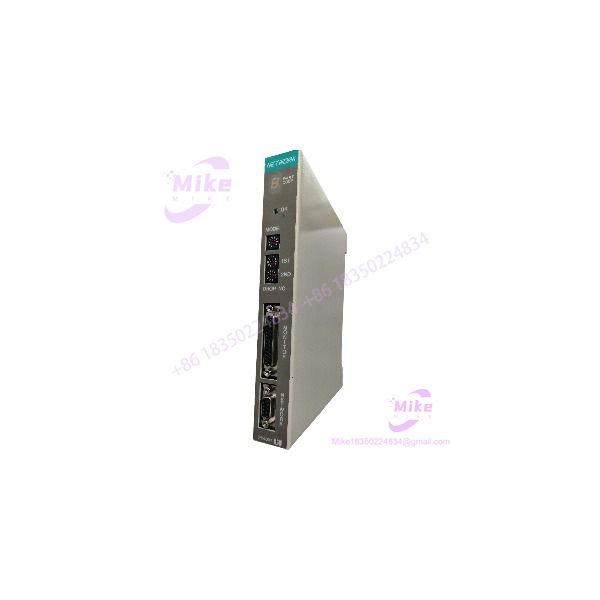
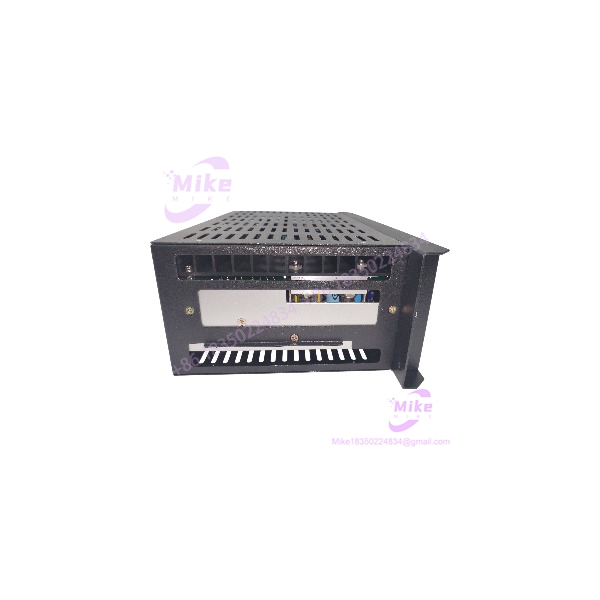
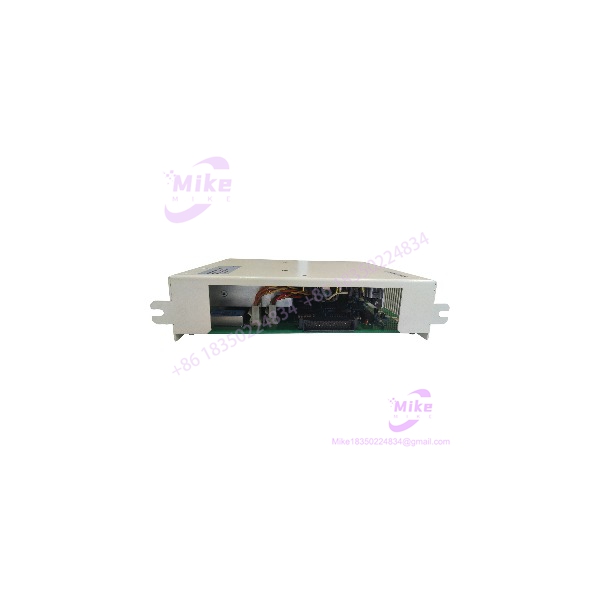
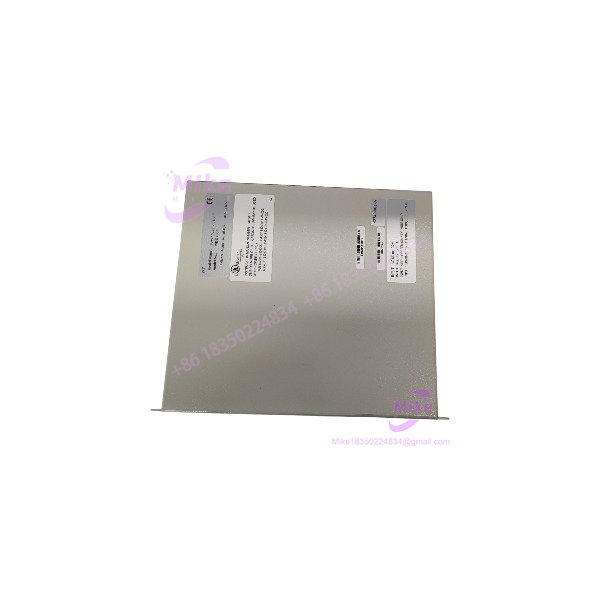
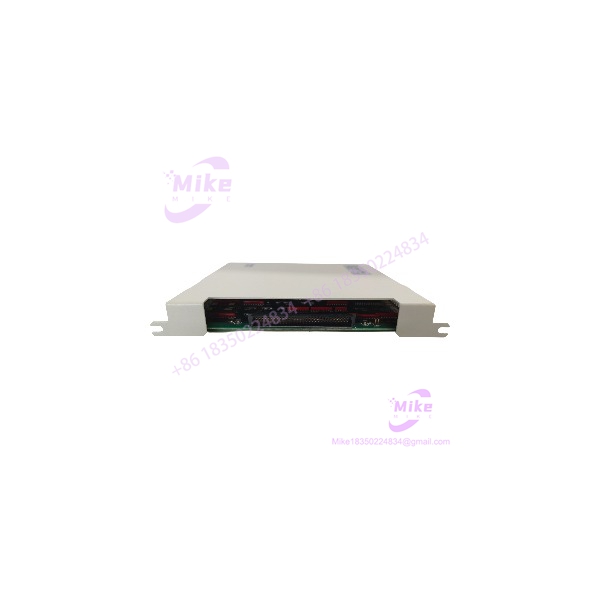
Reliance Electric S-D4007 | Digital Input Output Module
Dynamic Product Introduction
Keeping continuous-process manufacturing lines running without unexpected stoppage often comes down to maintaining aging hardware on legacy DCS racks. When discrete input loops or output control channels fail on an AutoMax setup, replacing the compromised card with a fully bench-tested Reliance Electric S-D4007 module restores real-time tracking across your machinery. The S-D4007 acts as a rugged physical buffer, processing discrete digital signals while shielding host CPU hardware from field-side voltage spikes.
Rather than committing to an expensive, full-scale system migration when individual I/O channels break down, stocking identical Reliance Electric S-D4007 replacement boards extends cabinet service life for years. Each S-D4007 module features front-facing diagnostic indicator LEDs that show individual channel activity and fault states, helping maintenance teams isolate wiring issues quickly. Sliding a verified S-D4007 card into your active backplane keeps established logic cycles running smoothly without requiring software architecture changes.
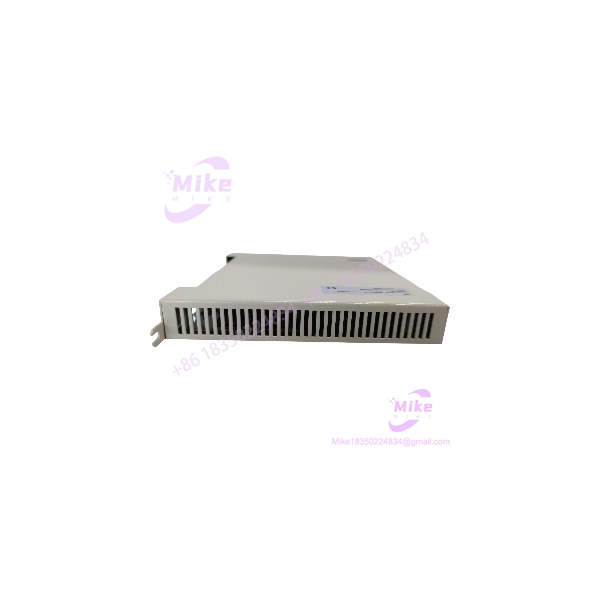
S-D4007
Key Technical Specifications
- Channel Configuration: High-density discrete digital input/output channels
- System Architecture: Reliance Electric AutoMax DCS / PLC backplane rack mount
- Status Indicators: Front-panel diagnostic LEDs for real-time channel activity and fault detection
- Field Terminal Interface: Removable terminal block interface for field cable connections
- Isolation Barrier: Optical isolation between field terminal lines and backplane logic
- Physical Footprint: Fits standard single-slot AutoMax chassis racks
- Operating Temperature Range: 0 °C to 60 °C ambient
- System Compatibility: Works across standard Reliance Electric AutoMax rack assemblies
Global Sourcing & Live-Test SOP (Transparency Core)
Surplus legacy control boards can suffer from hidden trace oxidation, dried-out capacitors, or blown optocouplers. Every Reliance Electric S-D4007 module undergoes a strict bench test protocol before entering active warehouse stock.
Inbound Verification
Incoming boards are registered by serial number and hardware revision. Technicians perform an optical check under magnification, inspecting backplane edge connector pins for gold plating wear, checking trace paths for heat discoloration, and verifying solder joint integrity around internal driver components.
Live Simulation
The module is installed into an authentic Reliance Electric AutoMax rack powered by a regulated industrial power supply. Backplane address lines are exercised to confirm that the host CPU recognizes the S-D4007 board address across the system bus.
Diagnostics & Burn-In
- Discrete Channel Verification: Automated test harnesses cycle all input and output channels to confirm that input optocouplers and output drivers toggle cleanly without signal latching.
- Fault Circuit Validation: Onboard diagnostic circuits are tested to verify that front-panel LEDs reflect accurate channel logic and fault states.
- 24-Hour Thermal Run: The board undergoes a continuous 24-hour heat run at 45 °C inside a climate chamber under full electrical load to trigger any latent component failures.
Final Prep
Following physical inspection and electrical testing, the S-D4007 module is cleaned of flux residue, cleared of error flags, and sealed inside static-shielding ESD packaging with fresh desiccant.
The Field Engineer’s Pitfall Guide
❗ Backplane Keying & Slot Alignment Hazards: Forcing the Reliance Electric S-D4007 module into an incorrectly keyed slot can bend delicate backplane pin headers. —In field deployments, I’ve seen technicians damage an AutoMax rack backplane because they forced an S-D4007 board into a slot wired for different voltage modules.
❗ Ignoring External Field Power Supply Requirements: Expecting the Reliance Electric S-D4007 to power field devices directly from the backplane without an external field power supply leads to inactive I/O loops. Always verify that field power is wired properly to the terminal block.
❗ Firmware & Addressing Map Conflicts: When replacing legacy revision cards with the S-D4007, technicians sometimes forget to check slot addressing maps in the AutoMax software, which can lead to unassigned I/O addresses during CPU startup.
Intent-Driven FAQ
Q: Can I hot-swap the Reliance Electric S-D4007 module while the rack is powered on?
A: No. AutoMax rack architecture requires powering down the chassis before pulling or seating I/O cards. Hot-swapping the S-D4007 can cause voltage glitches on the backplane, risking CPU memory corruption or edge connector damage.
Q: What is the main function of the Reliance Electric S-D4007 module?
A: The S-D4007 provides a multi-channel discrete digital I/O interface between field devices (such as limit switches, solenoids, and relays) and the main processing unit of a Reliance Electric AutoMax control system.
Q: How do I read channel diagnostic status on the Reliance Electric S-D4007?
A: The front panel of the S-D4007 includes individual status LEDs. Illuminated LEDs indicate an active logic HIGH state or an open-circuit fault on that channel’s field loop.
Q: Where can I source replacement Reliance Electric S-D4007 cards now that the AutoMax series is obsolete?
A: Fully tested, refurbished, and certified Reliance Electric S-D4007 modules are available through specialized industrial automation surplus suppliers, providing direct drop-in replacement units to keep legacy control systems running.
Q: Does the Reliance Electric S-D4007 require separate software configuration?
A: Hardware setup involves setting slot addresses and verifying channel assignments in your AutoMax programming software task (such as AutoMax Executive), ensuring the CPU routes I/O data correctly.