

Description
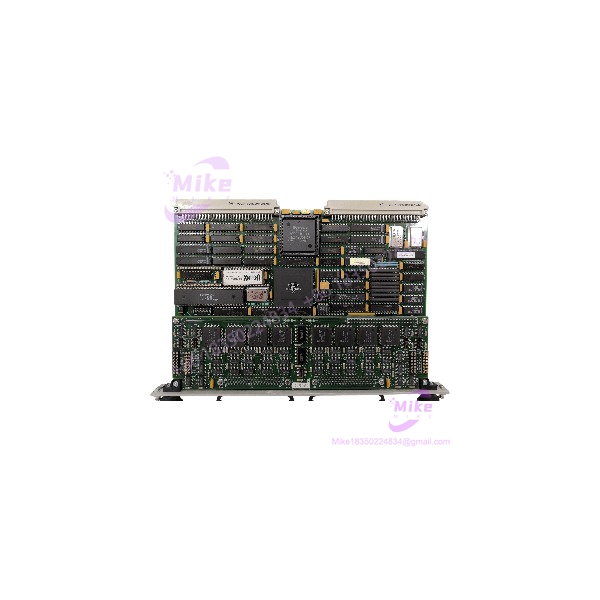
Performance Technologies PT-VME330A | VMEbus Asynchronous Serial Card
Dynamic Product Introduction
Maintaining legacy industrial automation, defense electronics, and telecommunications control racks often exposes system maintainers to sudden hardware obsolescence. When older VMEbus communication nodes experience component drift or catastrophic failure, dropping in unverified surplus hardware risks persistent bus timeouts and backplane lockups. The Performance Technologies PT-VME330A single-board computer module provides dependable asynchronous serial communications and system control functions engineered specifically for legacy VMEbus environments.
Built around a robust Motorola MC68020 microprocessor architecture, the PT-VME330A manages multi-channel serial data streams while supporting flexible onboard memory allocations up to 4 MB. Integrated diagnostic tools, including the resident PTbug monitor/debugger accessible via the front-panel RS-232 utility port, allow technicians to execute low-level hardware debugging without tearing down the enclosure rack. Whether used to restore older telecommunication switching banks or military defense test systems, this module maintains exact backward compatibility—though long-term reliability depends heavily on proper backplane jumper configurations.
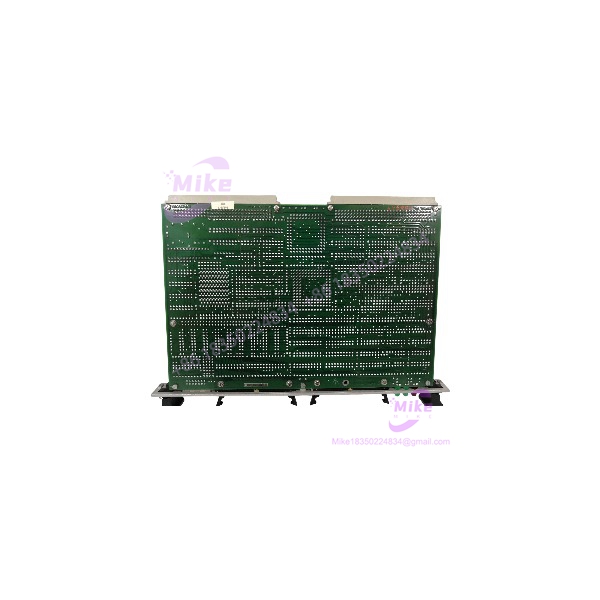
PT-VME330A
Key Technical Specifications
- Manufacturer & Series: Performance Technologies / VMEbus Architecture Series
- Processor Core: Motorola MC68020 32-bit microprocessor operating at 16 MHz
- Onboard System Memory: Configurable options for 1 MB or 4 MB DRAM capacity
- Bus Form Factor: Single-slot 6U VMEbus module format
- Backplane Interface: Standard VMEbus P1 and P2 connector pinouts
- Serial Communication Channels: Multi-port asynchronous serial configuration
- Diagnostic & Debug Support: Onboard EPROM/Flash boot support with integrated PTbug monitor interface
- Front-Panel Connectivity: RS-232 utility/debug port interface
- Operating Ambient Temperature: 0°C to +55°C (standard industrial control threshold)
- Enclosure Rating: Open-board modular card designed for rack-mounted VME chassis installation
Global Sourcing & Live-Test SOP (Transparency Core)
Procuring legacy, secondary-market VMEbus modules requires strict verification to ensure electronic health before integration into critical industrial processor racks. Every PT-VME330A passing through our inventory undergoes a multi-stage quality control protocol:
- Inbound Verification: Serial numbers, PCB revision layers, and manufacturer stamps are checked against Performance Technologies engineering logs. We inspect the gold-plated P1/P2 backplane edge connectors for wear, check surface-mount capacitors for thermal aging, and verify memory chip integrity.
- Live Rack Simulation: The PT-VME330A module is inserted into an authentic 6U VMEbus test chassis backplane powered by an isolated multi-rail system power supply.
- Diagnostics & Port Sweeps: Using a terminal emulator connected to the front-panel RS-232 port, we initialize the PTbug monitor environment. Memory address read/write tests and multi-channel asynchronous serial loopback tests are executed to confirm error-free data packet transmission.
- Thermal Stabilization Soak: The board undergoes a continuous 4-hour operational soak inside a temperature-controlled test rack to expose potential thermal intermittency on the MC68020 processor or support logic chips.
- Final Prep: Non-volatile memory parameters are cleared to default baselines, connector pins are treated with protective deoxidizing cleaner, and the PT-VME330A is sealed inside a heavy-duty anti-static moisture-barrier bag.
The Field Engineer’s Pitfall Guide
❗ Blindly Swapping Memory Maps Between PT-VME330A and 330B Variants: Never assume that jumper settings or base memory layouts from a later PT-VME330B revision map identically onto an older PT-VME330A board. Mixing up base addresses or memory bank jumper configurations causes severe bus address conflicts, locking up the VME backplane on startup.
❗ Hot-Insertion on Non-Vized VME Subracks: Never attempt to hot-swap the PT-VME330A into an active, unpowered VME chassis unless the specific backplane cage features dedicated hot-swap power regulation and slot-isolation buffers. Inadvertently inserting the board under live power causes transient voltage spikes that can instantly fry the VME bus drivers and logic gates.
❗ Ignoring Interrupt Priority Level (IPL) Jumper Settings: Failing to correctly match the board’s hardware interrupt request levels (IRQ 1–7) with your system’s operating system configuration will cause communication tasks to hang. Always cross-reference your system layout plan before changing interrupt jumper blocks on the card.
Intent-Driven FAQ
Q: Can I use the PT-VME330A as a standalone system controller in a VME rack? Yes. The PT-VME330A features integrated VMEbus system controller functions, including bus arbitration, clock driving, and system reset generation, allowing it to manage basic supervisory duties in single-board or multi-master VME configurations.
Q: What is the purpose of the front-panel RS-232 port on the PT-VME330A?The front-panel RS-232 connector serves as a dedicated utility and debug port. By plugging a terminal emulator into this port, engineers can interact directly with the resident PTbug firmware monitor to download code, inspect memory registers, and run hardware diagnostics.
Q: How do I verify if a PT-VME330A module has unrecoverable RAM or EPROM failures? Upon powering up the VME chassis with a valid system image, watch the terminal debug output. If the board fails to boot into the PTbug monitor or throws memory parity/checksum fault errors during the power-on self-test (POST), it indicates degraded onboard DRAM or corrupted EPROM boot chips.
Q: Is the PT-VME330A pin-compatible with newer PowerPC-based VME cards? Physically, both adhere to standard 6U VMEbus mechanical dimensions and use standard P1/P2 backplane pinouts. However, software applications written for the Motorola MC68020 architecture of the PT-VME330A are entirely binary-incompatible with PowerPC architectures, meaning application code must be recompiled or refactored.
Q: Where should I check for interrupt mapping jumpers on this module? The interrupt level and vector jumper blocks are typically located near the center of the main printed circuit board close to the VME interface transceiver chips. Always consult the specific hardware revision schematic or jumper map supplied with your assembly to configure the correct priority line.





