

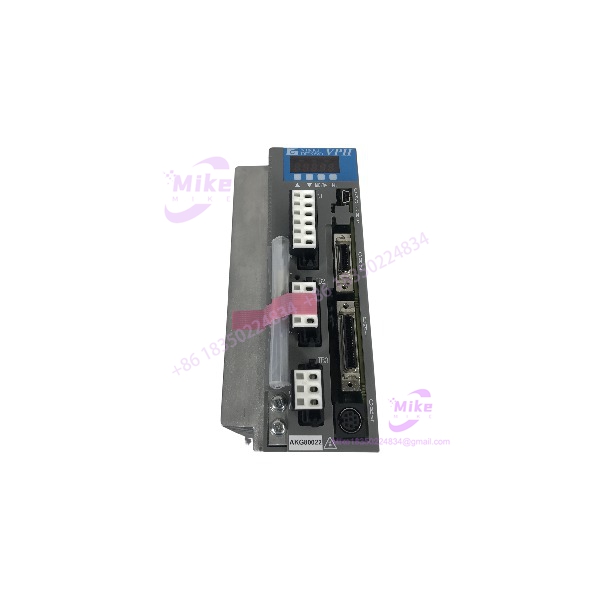
Description
Nikki Denso NCR-HA2801A-A-000 | 800W VPH AC Servo Driver Unit
Dynamic Product Introduction
Motion control loops in precision manufacturing cells demand microsecond current loop response to prevent tracking errors during high-speed staging cycles. When aging amplifier units experience thermal drift or sudden transistor shorts, high-performance machinery halts unexpectedly, stalling production lines. The Nikki Denso NCR-HA2801A-A-000 servo driver addresses these vulnerabilities by supplying clean, deterministic power switching directly to downstream AC servomotors.
Operating within the proven VPH motion architecture, this unit handles complex velocity profiles without thermal throttling. Unlike generic drives that struggle with low-speed cogging, the Nikki Denso NCR-HA2801A-A-000 maintains smooth commutation across demanding speed ranges (—though proper tuning remains essential for optimal performance). Facility engineers rely on this drive to restore precise positioning control to legacy automated equipment without requiring costly controller retrofits.
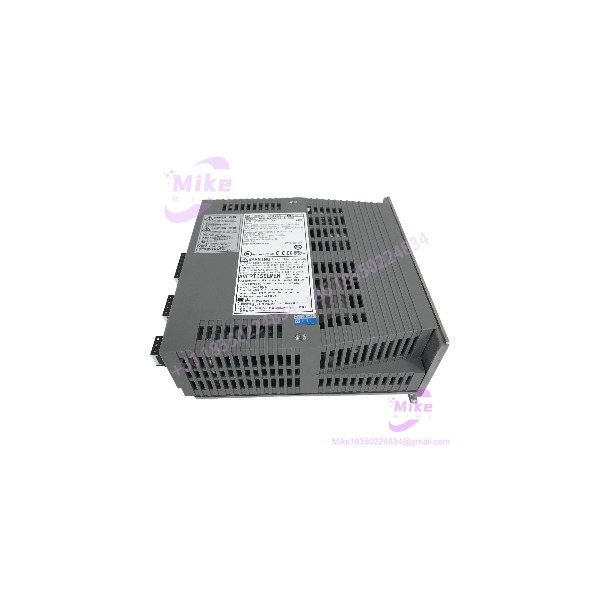
NCR-HA2801A-A-000
Key Technical Specifications
- Device Type: VPH AC Servo Drive / Amplifier
- Power Output Rating: 800 Watts nominal capacity
- Control Interface: Standard I/O command architecture (NCR-HA series configuration)
- Input Power Requirements: AC supply voltage compatibility per standard VPH system ratings
- Cooling Method: Natural convection and vertical finned heatsink chassis design
- Feedback Compatibility: High-resolution encoder and resolver input channels
- Enclosure Rating: IP20 open-chassis panel mount construction
- Operating Temperature Range: 0 °C to +55 °C ambient limit
- Allowable Operating Humidity: 90% RH max (non-condensing)
- Mounting Configuration: Vertical backplate cabinet installation
Global Sourcing & Live-Test SOP (Transparency Core)
Sourcing surplus or secondary-market electronics for obsolete automation systems introduces distinct component risks. Every incoming Nikki Denso NCR-HA2801A-A-000 drive undergoes rigorous multi-stage qualification before leaving our facility.
- Inbound Inspection: Incoming units are evaluated under magnification for physical chassis stress, terminal connector corrosion, and authentic manufacturer security markers. Serial numbers are checked against historical factory logs to screen out unauthorized clones.
- Component Bench Testing: Technicians measure gate-to-source resistance across power transistors and check internal DC bus electrolytic capacitors for equivalent series resistance (ESR) anomalies.
- Live Test Bench Simulation: Units are mounted on a dedicated test rack powered by an isolated AC supply. The Nikki Denso NCR-HA2801A-A-000 is paired with an authentic matching rotary servomotor to verify current loop stability, encoder pulse parsing, and fault trip thresholds under a continuous 24-hour thermal burn-in cycle.
- Final Preparation: Configuration parameters are reset to factory baseline defaults, test logs are saved, and the drive is sealed inside moisture-barrier anti-static packaging with active desiccant.
The Field Engineer’s Pitfall Guide
- ❗ Mismatched command signal wiring causes erratic motor jumps: The I/O wiring harness on the NCR-HA series requires precise pin mapping. Connecting analog velocity or pulse strings incorrectly can cause the motor to execute uncontrolled runaways upon enable. Always verify schematic diagrams before powering the control loop.
- ❗ Ignoring cabinet ventilation clearances triggers thermal protection faults: The vertical cooling fins rely on unobstructed upward airflow. I’ve seen maintenance techs mount auxiliary drives too closely together in tight enclosures, causing internal IGBTs to overheat and shut down mid-shift.
- ❗ Failing to discharge DC bus capacitors before servicing risks electrical shock: High-capacity capacitors retain lethal voltage long after AC input power is cut. Always verify zero potential using a calibrated multimeter across the bus terminals prior to touching terminal screws.
Intent-Driven FAQ
Can I replace an older VPH drive revision directly with this unit?
Yes, provided the communication interface variant matches your control architecture. The NCR-HA designation indicates standard I/O control compatibility, making it a direct replacement for identical hardware suffixes.
What causes an overcurrent fault trip during acceleration?
Overcurrent trips typically stem from shorted motor windings, damaged encoder feedback cables, or aggressive acceleration ramps that exceed the drive’s peak current capacity.
Does this drive require specialized software for parameter setup?
Configuration parameters are typically adjusted via built-in panel switches or specialized setup software depending on the specific firmware revision and control card option installed.
How do I verify if the internal cooling fan is operating correctly?
Listen for normal acoustic airflow upon startup and monitor internal heatsink temperature telemetry through diagnostic indicators on the front chassis plate.
How should spare servo drives be stored in inventory?
Keep spare units sealed in original anti-static moisture barrier bags inside a climate-controlled room free of dust, humidity, and chemical vapor exposure.





