Description
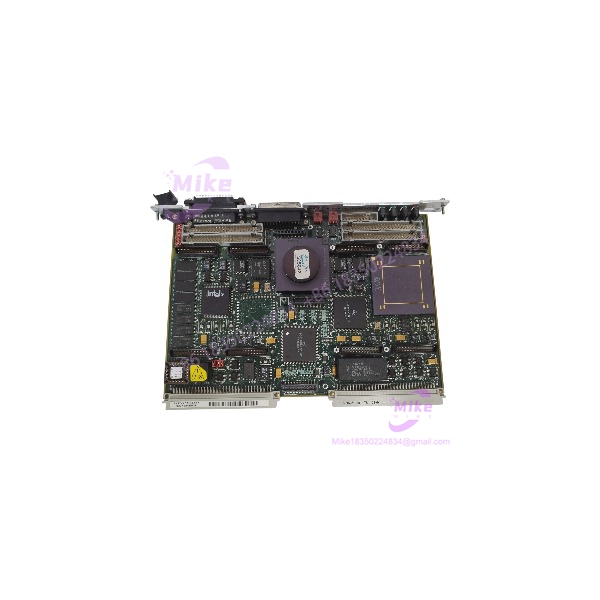
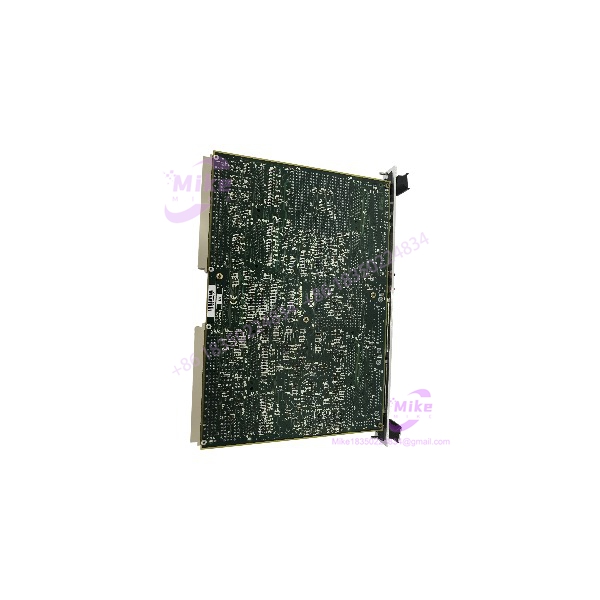
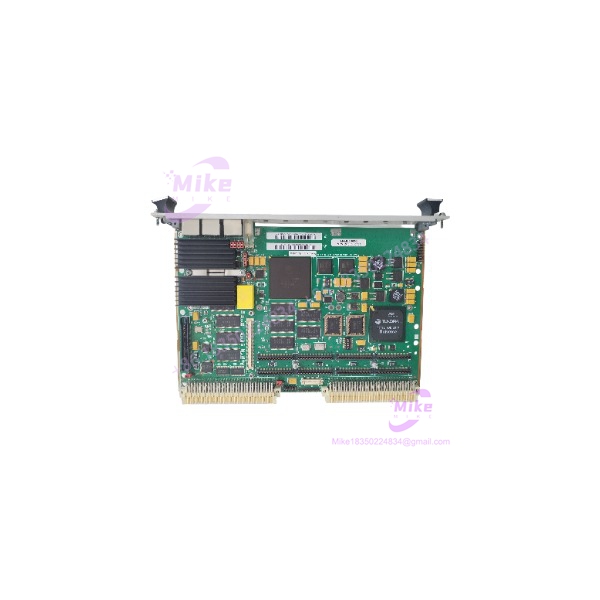
Motorola MVME5100 | MPC755 VME Processor Board Module
Dynamic Product Introduction
Plagued by intermittent bus arbitration freezes or sluggish execution speeds on an aging industrial control rack? When legacy supervisory hardware experiences thermal degradation after years of continuous service, finding an exact match determines whether a plant experiences a brief maintenance window or an extended shutdown. The MVME5100 single board computer delivers a robust hardware solution engineered to maintain native execution speeds and bus timing for vintage real-time applications. Driven by a high-powered Motorola PowerPC MPC755 core, this platform provides the precise register mapping, memory architecture, and mechanical profile required by established industrial installations.
Dropping in a fully verified, bench-tested MVME5100 bypasses the component drift and hidden solder fatigue common in unmanaged surplus pools. It restores deterministic control loops instantly, ensuring seamless communication across existing backplane slaves and I/O modules without the massive capital expenditure of a full control system migration.
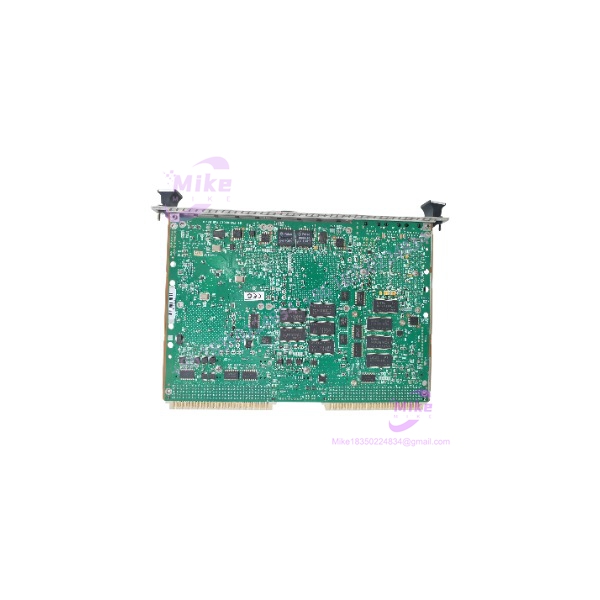
MVME5100
Key Technical Specifications
- Processor Architecture: Motorola PowerPC MPC755 RISC microprocessor
- Clock Frequency: High-performance internal core clock variant
- On-Board Memory: High-density SDRAM with Error Correction Code (ECC) protection
- Flash Memory: Onboard flash storage for boot firmware and operating system images
- Bus Architecture: VMEbus IEEE 1014-1987 / ANSI/VITA 1-1994 compliant (Master/Slave interface)
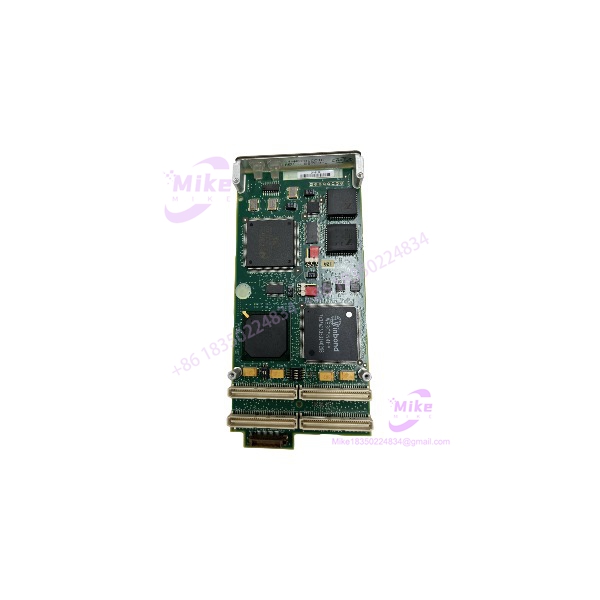
- Expansion Slots: Dual PMC (PCI Mezzanine Card) sites for modular I/O expansion
- Communications: Integrated Ethernet interface and dual asynchronous serial ports
- Form Factor: Standard 6U VMEbus form factor (Single-slot double-Eurocard layout)
- Power Requirements: +5V and +3.3V DC primary backplane power rails
- Operating Temperature Range: 0°C to +55°C (32°F to 131°F) with mandatory chassis airflow
Global Sourcing & Live-Test SOP (Transparency Core)
Acquiring vintage modules like the MVME5100 demands stringent validation protocols to guarantee field reliability on active plant floors.
Inbound Verification
Incoming units undergo optical magnification checks to inspect PCB traces, solder joint integrity, and component date codes against original manufacturing specifications. Serial numbers are tracked to verify authentic OEM lineage and prevent counterfeit distribution.
Live Simulation
Every board is mounted in an active, temperature-controlled 6U VMEbus test chassis configured with calibrated system controller cards and backplane load simulators to replicate cabinet operating conditions.
Diagnostics
Testing executes comprehensive address and data pattern loops across the onboard ECC SDRAM space. We verify local PCI bus arbitration, test packet transmissions on the network interface, and perform full-scale communication sweeps across both serial ports. Units undergo a 24-hour thermal soak while tracking primary rail voltage stability using Fluke digital multimeters.
Final Prep
Upon clearing diagnostics, volatile registers are cleared, physical ejector handles are tested for mechanical tension, and the board is sealed inside heavy-duty anti-static shielding bags with desiccant protection.
The Field Engineer’s Pitfall Guide
❗ Mechanical Ejector Handle Clearance: The MVME5100 features classic mechanical front-panel ejector handles designed for secure slot latching. Ensure you pull these handles outward before sliding the card into tight chassis slots; forcing the board directly can shear backplane alignment pins or warp the front metal faceplate.
❗ VME System Controller Configuration: Verify your jumper blocks for system controller assignment prior to installation. If a legacy slot configuration conflicts with the replacement board’s arbitration settings, the bus will lock up immediately upon power application.
❗ Memory Parity and ECC Mismatches: Verify that your real-time operating system kernel configuration matches the exact memory ceiling of the MVME5100. Bootloaders configured to look for extended memory blocks will generate fatal parity traps during initialization if memory size parameters are misaligned.
Intent-Driven FAQ
Will swapping out the erase my application software image?
The primary application software usually resides in non-volatile flash or external boot devices. However, you must verify your boot ROM settings and back up any battery-backed configuration registers before performing the hardware swap.
Can I hot-swap the in a live VMEbus chassis?
No. Standard VME architecture does not support live electrical hot-swapping for central processor cards. Always shut down system power completely and allow capacitors to discharge before inserting or removing the board.
What causes a continuous reset loop right after powering on the replacement board?
Continuous resetting is typically triggered by an unconfigured watchdog timer, low voltage sags on the backplane power rails, or an incorrect system controller jumper setting. Check your cabinet power supply output under load.
Are these replacement boards brand new or refurbished?
Since the original manufacturer has discontinued production, available units consist of fully reconditioned, factory-tested surplus inventory or verified working pulls backed by rigorous bench diagnostics.
What kind of warranty covers a surplus hardware purchase?
Reputable industrial automation suppliers provide comprehensive warranty coverage—typically one year—supported by complete documentation of individual board-level testing.