Description
Motorola MVME374-1 | Communication Module Fast Ship
Architect’s Product Breakdown
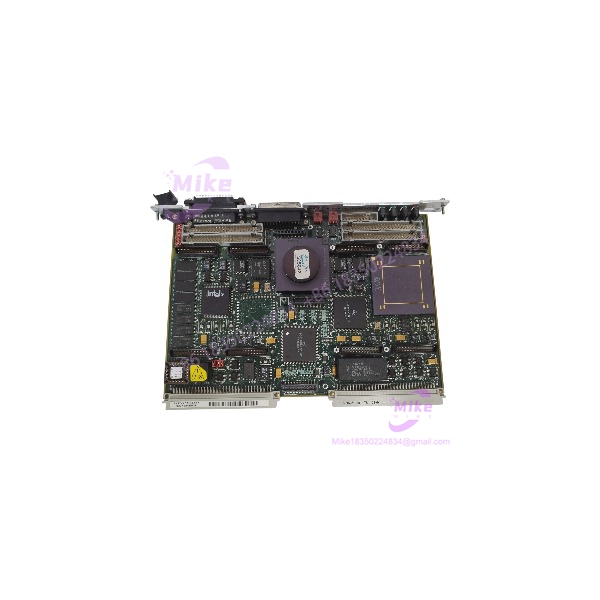
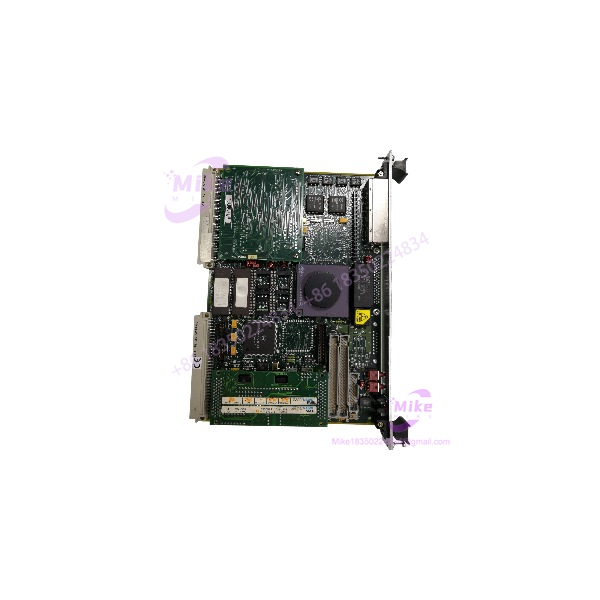
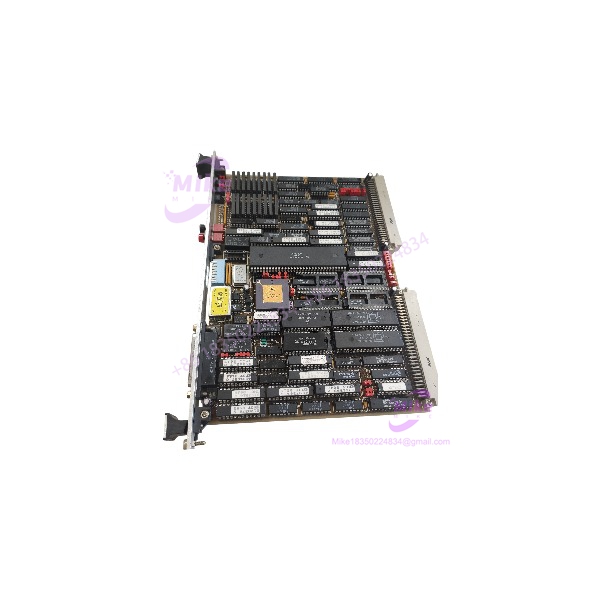
The Motorola MVME374-1 serves as a ruggedized communication engine built for VMEbus-based industrial control racks. Designed to handle intense multi-channel serial data traffic, this board offloads protocol management and packet handling from the main system CPU, ensuring deterministic execution across distributed nodes.
System integrators working with this architecture must verify slot power availability and backplane bus priority settings before installation. Because VME systems often mix various manufacturer modules, jumper configurations for base addressing and interrupt levels require precise documentation alignment to prevent bus conflicts.
Deploying this hardware provides a reliable pathway to maintain legacy VME infrastructures without undertaking a complete system redesign, ensuring long-term continuity for established industrial processes.
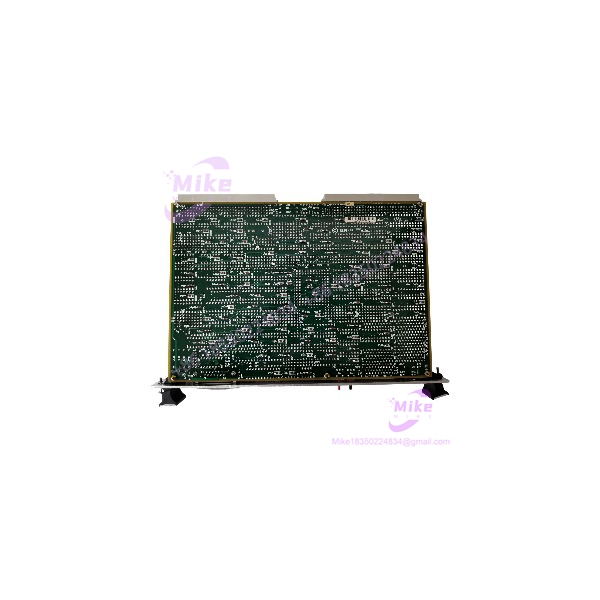
MVME374-1
Key Technical Specifications
| Technical Parameter | Specification Detail |
| Part Number | MVME374-1 |
| Manufacturer | Motorola / VMEbus Platforms |
| Bus Architecture | VMEbus Standard Compliant |
| Communication Ports | Multi-channel serial interface connections |
| Addressing | Jumper and software-selectable memory mapping |
| Operating Temperature | 0°C to 55°C (32°F to 131°F) |
| Form Factor | Standard VMEbus single-height circuit card |
Field Engineer’s Pitfall Guide
- WARNING: Electrostatic Discharge Vulnerability. The dense integrated circuits and bus drivers on this board require strict anti-static handling procedures to avoid silent component degradation.
- WARNING: Address Collision Risks. Failing to verify base address jumper settings before insertion can cause memory mapping overlaps with existing cards on the VMEbus, leading to system lockups.
- WARNING: Backplane Power Limits. Piling multiple communication boards onto a single rack power supply without calculating total amperage can cause voltage sag and sudden controller resets.
Field Anecdote: During an urgent rack restoration at a heavy processing facility, a replacement MVME374-1 was slid directly into a live chassis without checking the hardware address switches. The resulting bus conflict crashed the primary supervisor CPU, taking down the entire telemetry link for over an hour until we isolated the duplicate address conflict.
QA & Testing SOP (Transparency)
- Visual & Origin Inspection: Inspected under magnification for trace integrity, pin alignment, and verified against OEM tracking numbers.
- Live Test Bench Environment: Mounted onto a verified VMEbus test chassis to validate power rail stability and backplane bus handshaking.
- Diagnostics & Handshake Verification: Technicians perform loopback communication testing across all onboard ports to ensure error-free data transmission.
- Configuration & Packaging: Memory buffers are cleared, and units are sealed inside moisture-barrier anti-static packaging.
Technical FAQ
Can I hot-swap this VME module while the system chassis is powered on?
No. Standard VMEbus architectures do not support live hot-swapping. Inserting or removing this board under power will damage the backplane bus pins and active logic circuits.
How do I configure the memory address map for this board?
Address mapping and interrupt levels are set using physical configuration jumpers on the board surface, matching the system map defined in the host controller software.
Does the module require an internal battery to retain configuration data?
No. Operational firmware and static parameters are stored in non-volatile flash memory, eliminating reliance on onboard backup batteries for basic configuration retention.