Description
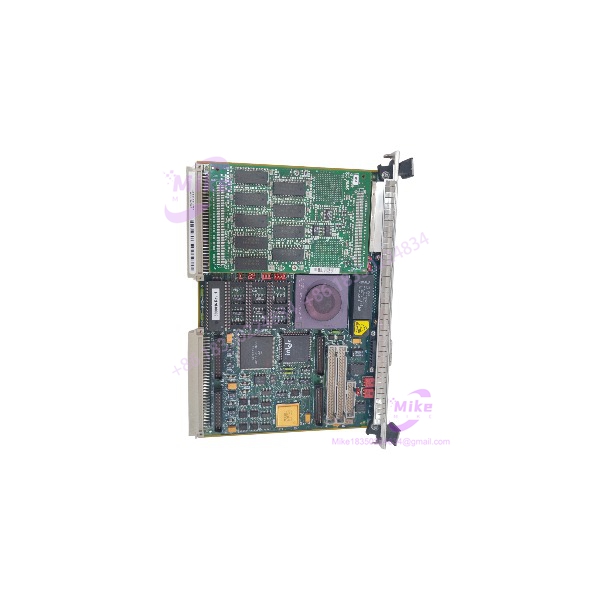
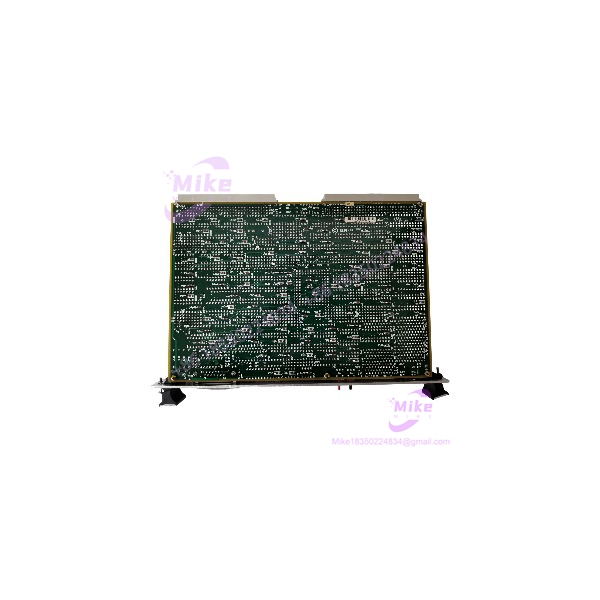
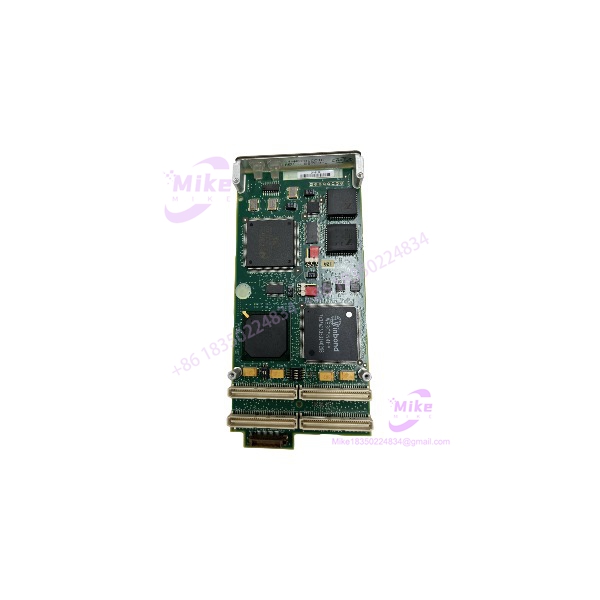
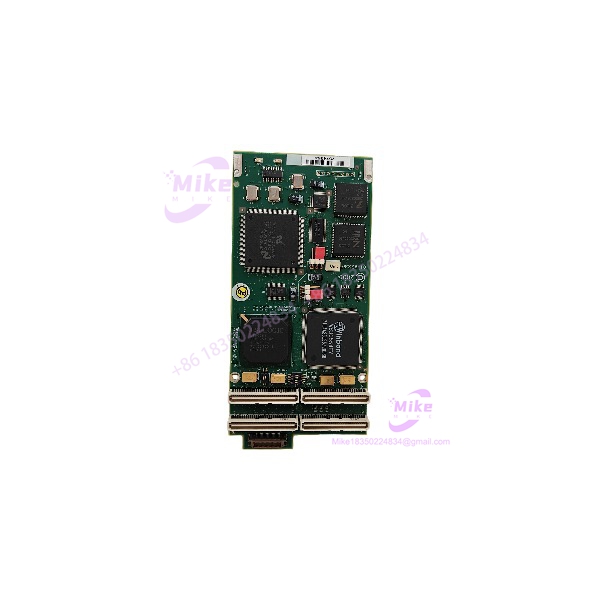
Motorola MVIP-302 | Voice Processing Board New In Stock
Architect’s Product Breakdown
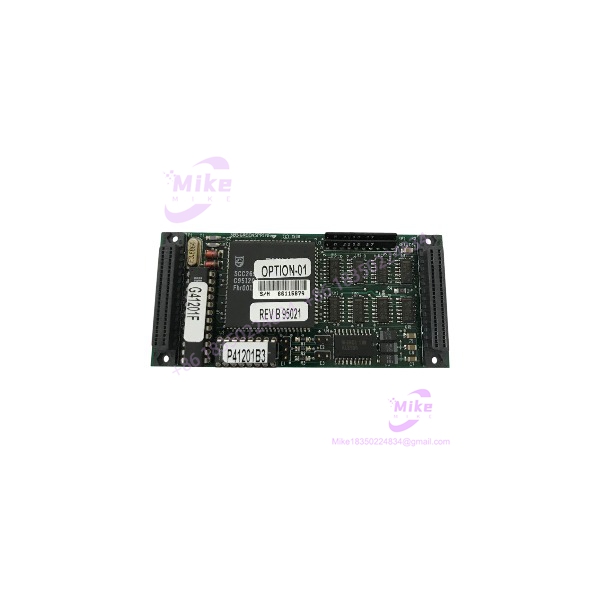
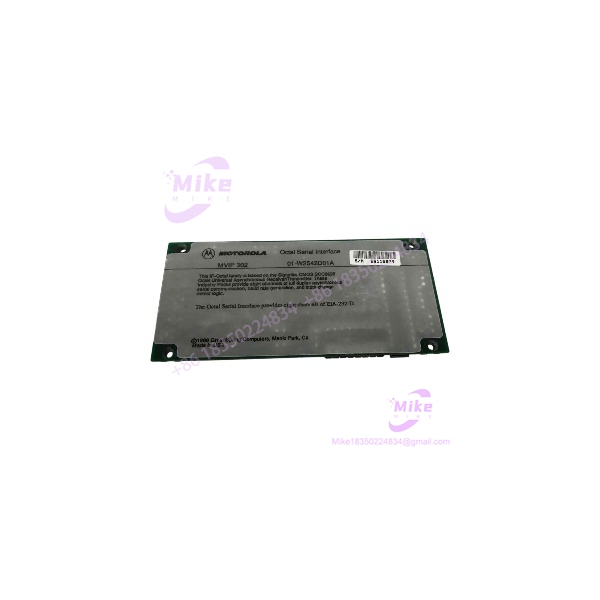
The Motorola MVIP-302 is a specialized telephony interface card designed to coordinate multi-channel voice and data traffic across a standardized Multi-Vendor Integration Protocol (MVIP) backplane. Built for legacy telecommunication switching hubs, IVR systems, and voicemail platforms, this hardware routes audio streams dynamically between digital trunk lines and internal digital signal processing resources.
Deployment requires precise configuration of onboard jumpers and bus timing parameters to prevent bus contention errors on shared backplanes. Because these legacy systems rely heavily on stable clock synchronization from incoming T1 or E1 spans, technicians must ensure master/slave clock settings match adjacent interface cards exactly.
Integrating or replacing this module demands careful attention to static discharge protection and backplane slot assignments, as unmapped bus addresses will cause immediate communication faults on the telephony highway.
MVIP-302
Key Technical Specifications
| Technical Parameter | Specification Detail |
| Part Number | MVIP-302 |
| Manufacturer | Motorola Solutions / Telephony Platforms |
| Bus Architecture | MVIP (Multi-Vendor Integration Protocol) Compatibility |
| Trunk Interfaces | Supports T1 / E1 digital telephony line connections |
| Processing Resources | Onboard Digital Signal Processors (DSP) for audio routing |
| Configuration Method | Jumper-selectable address and bus timing options |
| Operating Temperature | 0°C to 50°C (32°F to 122°F) |
| Form Factor | Standard bus-mounted multi-layer circuit card |
Field Engineer’s Pitfall Guide
- WARNING: Static Discharge Sensitivity. The sensitive CMOS components and early-generation DSP chips on this board are highly susceptible to electrostatic discharge. Always use a grounded wrist strap when handling the card.
- WARNING: Clock Synchronization Conflicts. Mismatching the clock master settings between the MVIP-302 and adjacent telephony boards will cause severe framing slips and audio clicking across all active channels.
- WARNING: Incorrect Jumper Configuration. Forgetting to match the hardware address jumpers to the system rack configuration will prevent the host backplane from recognizing the module entirely.
Field Anecdote: While restoring an older voicemail exchange node, we dropped in a replacement MVIP-302 but forgot to verify the physical jumper settings against the documentation of the failed unit. The system booted up, but every inbound call resulted in screeching line noise due to a clocking mismatch with the primary T1 span card. Matching the timing source jumpers cleared the channel errors instantly.
QA & Testing SOP (Transparency)
- Visual & Origin Inspection: Inspected under magnification for trace damage, component corrosion, and verified against manufacturing origin lots.
- Live Test Bench Environment: Inserted into a compatible MVIP validation rack to check bus communication handshakes and power rail stability.
- Diagnostics & Handshake Verification: Technicians perform loopback testing on audio channels and verify DSP register responses across standard operating parameters.
- Configuration & Packaging: Boards are cleared of test data and sealed in moisture-barrier anti-static shielding bags.
Technical FAQ
Can I hot-swap this MVIP module while the system is powered on?
No. Legacy MVIP backplanes do not support live hot-swapping. Inserting or removing this board under power risks severe damage to the backplane bus drivers and integrated circuits.
Does the module require software driver installation upon replacement?
Configuration is handled primarily via hardware jumpers and system-level initialization files loaded by the host telephony controller during bootup.
How do I verify that the board is communicating with the host system?
Check the onboard diagnostic LED indicators for power status and active bus handshaking signals once the chassis is powered up.