

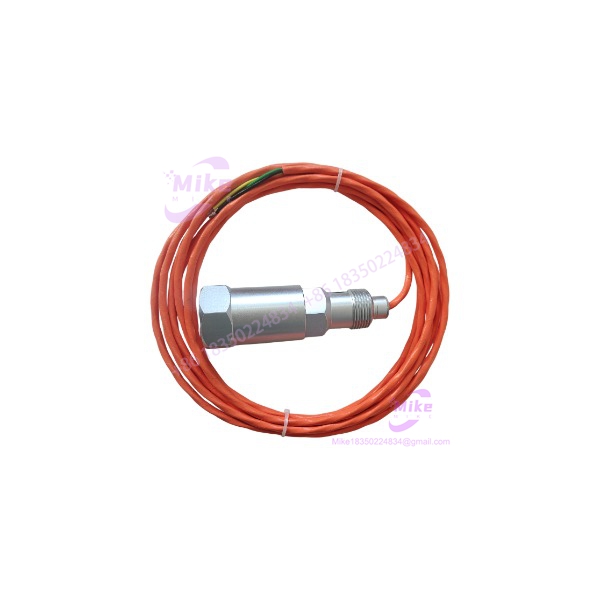
Description
Honeywell LG1093AA24 | UV Flame Scanner 261A1812P012
Product Introduction
Flame detection is a combustion-safety function, so replacing a scanner requires more than matching its physical dimensions. The sensor must be compatible with the installed flame-monitoring electronics, mounting arrangement, and turbine control configuration.
The Honeywell LG1093AA24 / GE 261A1812P012 is an ultraviolet flame scanner used in industrial combustion and gas turbine applications. Honeywell cross-reference material identifies GE 261A1812P012 with LG1093AA24 and specifies a 16 ft (4.9 m) cable. The scanner detects flame-related UV radiation and operates as part of a larger flame-monitoring system; it is not a standalone flame-safeguard controller.
For replacement procurement, confirm the complete part number, cable length, connector and mounting details, and compatibility with the installed amplifier. Do not substitute another LG1093 variant solely because the base model family is shared.
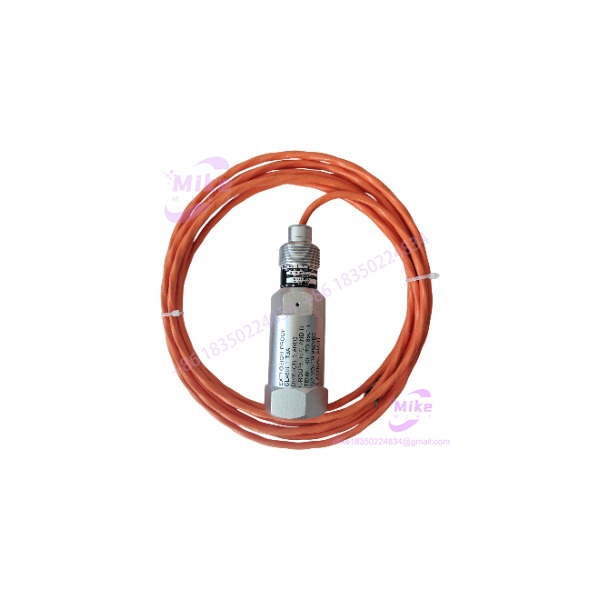
LG1093AA24
Key Technical Specifications
- Model: LG1093AA24
- GE Part Number: 261A1812P012
- Manufacturer: Honeywell
- Product Category: UV flame scanner
- Detection Principle: Ultraviolet flame sensing
- Intended Application: Industrial gas turbine combustion monitoring
- Cable Length: 16 ft (4.9 m), per Honeywell cross-reference documentation
- Cable Construction: Verify the exact cable construction and termination from the unit label or OEM documentation
- Spectral Sensitivity: Commonly reported as approximately 190–290 nm; confirm against the applicable scanner datasheet
- Response Time: Exact model-specific response limits should be confirmed from the OEM documentation
- Operating Voltage: Requires compatible flame-monitoring electronics; do not apply an assumed voltage directly
- Amplifier Compatibility: Confirm the approved amplifier and system configuration
- Mounting Thread: Verify from the actual unit and turbine installation drawing
- Environmental Rating: Confirm from the exact scanner documentation and nameplate
- Hazardous-Area Approval: Verify the approval markings on the offered unit and their applicability to the installation
The cable length and GE cross-reference are supported by Honeywell cross-reference material. Other detailed performance and installation parameters should be confirmed against the applicable OEM documentation before being used as acceptance criteria.
Global Sourcing & Live-Test SOP
1. Inbound Verification
- Photograph the complete scanner, nameplate, cable, and connector.
- Confirm LG1093AA24 and/or 261A1812P012 markings.
- Record serial number, date code, and any additional assembly identifiers.
- Verify the cable length is consistent with the 16 ft (4.9 m) version.
- Inspect the scanner housing, sensing window, cable sheath, strain relief, and connector.
- Check for impact damage, corrosion, contamination, cable cuts, or evidence of unauthorized repair.
- Record whether the unit is new, used, refurbished, or untested based on verifiable seller information.
2. Configuration and Compatibility Review
- Confirm the turbine or combustion-system model.
- Match the scanner part number against the installed equipment bill of materials.
- Verify the approved flame amplifier or monitoring electronics.
- Confirm cable length, routing, connector type, and termination.
- Check the applicable OEM wiring diagram and scanner installation instructions.
- Verify any required hazardous-area approvals.
- Do not assume that another LG1093 variant is interchangeable without an approved cross-reference.
3. Controlled Functional Testing
Testing should be performed by qualified combustion-safety personnel using an approved test procedure.
- Verify the compatible amplifier and test setup before energizing.
- Inspect the scanner window and cable termination before connection.
- Confirm the scanner is recognized by the flame-monitoring electronics.
- Perform the OEM-prescribed flame-response test using an approved test source or procedure.
- Verify flame-present and flame-loss responses against documented acceptance criteria.
- Record the amplifier model, test setup, and observed response.
- Do not bypass flame safeguards or conduct improvised tests on an operating turbine.
4. Extended Run and Diagnostics
Where an approved test setup is available, perform the applicable scanner test and document:
- Test date and duration
- Scanner model and serial number
- Amplifier or flame-monitoring system used
- Cable condition and configuration
- Flame-present response
- Flame-loss response
- Diagnostic indications
- Functions not tested or limitations
A visual inspection or continuity check does not establish flame-detection performance or combustion-safety suitability.
5. Final Preparation
- Preserve all labels and approval markings.
- Photograph the scanner and cable before packaging.
- Protect the sensing window and connector from impact and contamination.
- Coil the cable without tight bends or excessive strain.
- Use suitable protective packaging for the sensor head and cable.
- Include available test records and clearly disclose any unverified functions.
- Do not represent the unit as safety-validated or fully tested unless supporting documentation is available.
Field Engineer’s Pitfall Guide
❗ Match the full GE/Honeywell cross-reference and cable length
Honeywell cross-reference documentation maps 261A1812P012 to LG1093AA24 and identifies the 16 ft (4.9 m) cable version. Other cable-length variants exist within the family. Verify the complete suffix and cable length before ordering.
❗ Do not treat the scanner as a standalone flame safeguard
The is a sensing component within a larger flame-monitoring system. Correct operation depends on compatible monitoring electronics and the installed combustion-safety configuration. A scanner-only test cannot validate the complete flame-safeguard function.
❗ Do not assume another LG1093 variant is a direct replacement
Cable length, cross-reference number, mounting, and system compatibility matter. Confirm the exact scanner designation and approved replacement mapping before installing a different variant.
Intent-Driven FAQ
What is the Honeywell ?
It is a Honeywell UV flame scanner used in industrial combustion and gas turbine flame-monitoring applications. It detects ultraviolet radiation associated with flame presence.
What is the GE equivalent part number?
Honeywell cross-reference documentation maps to GE 261A1812P012. Confirm the complete marking on the offered unit before purchase.
What cable length does use?
The documented / 261A1812P012 version uses a 16 ft (4.9 m) cable. Other LG1093 variants may use different cable lengths.
Does the include a flame amplifier?
The scanner is a sensing component, not a complete flame-monitoring system. Do not assume an amplifier is included unless the seller explicitly lists and photographs it.
Can it replace another GE 261A1812 scanner?
Only when the exact part-number cross-reference and system compatibility are confirmed. Honeywell documentation identifies multiple 261A1812 variants with different replacement mappings, so the full suffix matters.
Is the hot-swappable?
Do not assume it is. Treat replacement as a controlled combustion-safety maintenance task under the turbine OEM’s procedure. Confirm the required shutdown, isolation, and recommissioning steps before disconnecting the scanner.
What should I verify before buying a used ?
Request clear nameplate and connector photographs, confirmation of the 16 ft cable, serial/date-code details, condition disclosure, and available functional-test records. Verify the amplifier and turbine compatibility using the installed system documentation.
Bottom Line for Buyers
The Honeywell / GE 261A1812P012 is a UV flame scanner for industrial combustion-monitoring applications. Honeywell cross-reference material confirms the GE-to-Honeywell mapping and identifies the 16 ft (4.9 m) cable version.
For procurement, match the complete part number, cable length, connector, and approved flame-monitoring electronics. Request documented functional testing where available, and treat the scanner as a safety-related component requiring controlled installation and validation.





