

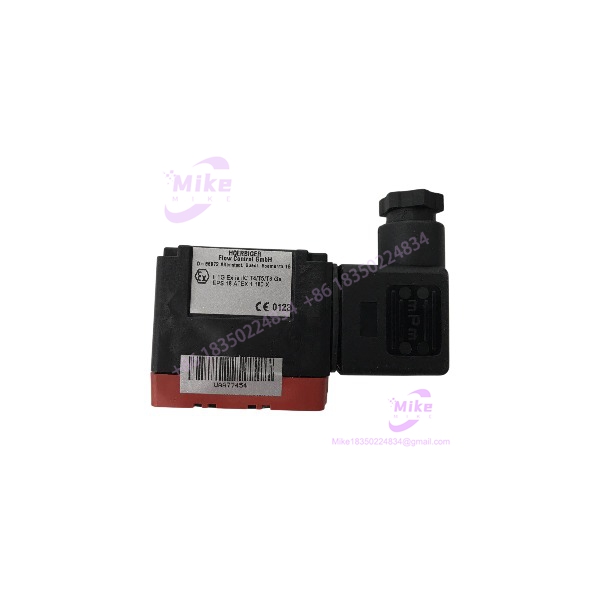
Description
HOERBIGER P8 385RF-NG-SPT63-B Industrial Pneumatic Valve
Product Introduction
In industrial pneumatic systems, directional valves control how compressed air is routed to actuators or other pneumatic components. A 3/2-way valve typically has three ports and two switching positions, making this configuration common in pneumatic control circuits. The exact function—normally open or normally closed, for example—depends on the valve’s design and must be confirmed for the installed unit.
The P8 385RF-NG-SPT63-B designation is associated with HOERBIGER equipment in industrial parts listings. The catalog cross-reference to the P8 385RF-NG-SPT63 family provides a useful starting point when sourcing a replacement.
For maintenance teams, the critical issue is matching the original valve’s functional and mechanical configuration. A valve that appears similar but has a different porting arrangement or actuation specification can cause unexpected machine behavior or prevent the pneumatic circuit from operating.
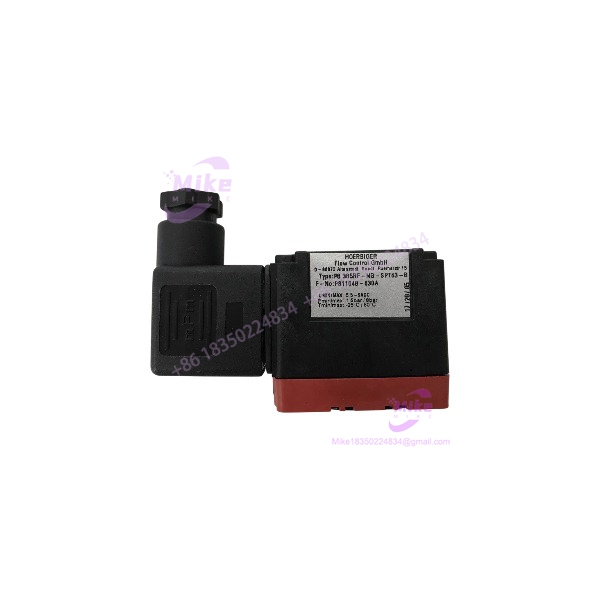
P8 385RF-NG-SPT63-B
Key Technical Specifications
| Parameter | Available information |
|---|---|
| Manufacturer / brand | HOERBIGER |
| Model designation | P8 385RF-NG-SPT63-B |
| Product category | Industrial pneumatic valve |
| Related catalog description | 3/2-way valve |
| Related part number | PS11048-630A-00 |
| Additional cross-reference | PS11048-630A |
| Number of ports / positions | 3 ports / 2 positions for the related cataloged valve |
| Actuation method | Verify from the original valve and equipment documentation |
| Operating pressure | Not reliably verified for the exact model variant |
| Connection size | Not reliably verified for the exact model variant |
| Electrical requirements | Verify if the installed configuration uses electrical actuation |
| Mounting arrangement | Confirm against the existing assembly |
| Condition / availability | Confirm with the supplier |
The related part-number cross-reference comes from a Parker Pneumatics catalog and industrial supplier listings. It should not be interpreted as proof that every version bearing the P8 385RF-NG-SPT63-B designation has identical specifications.
Important: Some online listings contain conflicting or unrelated technical descriptions for this model. Do not rely on unverified claims about pressure range, voltage, dimensions, or performance without checking the nameplate and an applicable technical document.
Application Scenarios & Pain Points
- Pneumatic directional control: Used where the verified valve configuration is intended to route or switch compressed air in a machine or equipment circuit.
- Industrial equipment maintenance: Sourcing a replacement for a failed or leaking valve while preserving the original system configuration.
- Legacy machinery support: Identifying obsolete or difficult-to-source pneumatic components using both the model designation and catalog cross-reference.
- Equipment rebuilds: Confirming valve function and mounting compatibility before reassembling a pneumatic control system.
Common failure symptoms in pneumatic valve circuits include air leakage, slow or incomplete actuator movement, failure to switch, and unstable operation. These symptoms are not unique to the valve itself; contaminated air, damaged seals, low supply pressure, blocked lines, and control-signal faults can produce similar behavior.
QA & Live Testing SOP
- Verify the label. Photograph the complete model designation, serial number, and any secondary part number. Check whether
PS11048-630Aor another reference is present. - Inspect the body. Look for cracks, corrosion, damaged threads, bent fittings, and signs of unauthorized modification.
- Confirm configuration. Compare the port layout, mounting pattern, actuation method, and connection size with the original installed component.
- Check system requirements. Establish the permitted operating pressure and any electrical requirements from the original equipment documentation before applying power or compressed air.
- Inspect air quality. Confirm that the supply air meets the equipment’s filtration and moisture requirements. Contamination can cause sticking and premature wear.
- Perform a controlled functional test. Use an appropriate test setup within documented operating limits. Verify switching behavior, leakage, and return action where applicable.
- Record results. Document the tested part number, test conditions, leakage observations, switching results, and any limitations.
- Approve installation. Install only after the replacement has been confirmed as functionally and mechanically compatible. Follow the machine’s lockout/tagout and stored-energy isolation procedures.
A seller’s statement that a valve is “tested” is not sufficient on its own. Request the actual test scope and results, particularly for safety-critical or production-critical equipment.
Field Engineer’s Pitfall Guide
- Do not confuse a model designation with a complete order number. The P8 designation and the PS11048-630A family may be used differently across supplier catalogs.
- Check the full suffix. The
-Bending may distinguish a specific configuration. Do not substitute a related variant without documentation. - Confirm the valve’s normal state. Normally open and normally closed arrangements are not functionally interchangeable in every circuit.
- Verify actuation details. Determine whether the installed valve is electrically, pneumatically, or otherwise actuated before ordering.
- Check porting and mounting. Similar-looking valve bodies may have different connection arrangements or mounting requirements.
- Do not infer a pressure rating. Use the applicable technical documentation rather than a generic supplier listing.
- Diagnose the circuit before replacing the valve. Supply pressure, control signals, tubing restrictions, and downstream actuator problems can mimic valve failure.
Intent-Driven FAQ
Q1: What is the HOERBIGER P8 385RF-NG-SPT63-B?
It is listed as an industrial pneumatic valve associated with the P8 385RF-NG-SPT63 designation. A related catalog reference identifies the assembly as a 3/2-way valve.
Q2: Is PS11048-630A-00 the same part?
It is a documented related catalog reference for the P8 385RF-NG-SPT63 family. Confirm the complete model, suffix, and configuration before treating it as a direct replacement.
Q3: What operating pressure does this valve support?
I could not verify a dependable pressure rating for the exact P8 385RF-NG--B variant. Check the nameplate, original equipment manual, or manufacturer documentation before installation.
Q4: Does it require electrical power?
The exact actuation method and electrical requirements have not been reliably established for this specific variant. Inspect the installed unit and consult its technical documentation.
Q5: Can I use a similar HOERBIGER valve instead?
Only after confirming functional equivalence, porting, actuation, mounting, and operating limits. Similar model names alone are not enough to establish compatibility.
Q6: What should I provide when requesting a quotation?
Provide the complete model number, clear photographs of the label and connections, required quantity, desired condition, and any existing catalog or equipment reference.
Q7: What should be checked before accepting a used replacement?
Confirm the part identity, physical condition, functional test results, leakage performance, and return or warranty terms. For critical equipment, request traceable test documentation.
Q8: What is the most important procurement precaution?
Verify the exact P8 38G- designation against the original installed component. The related PS11048-630A-00 catalog reference is a useful lead, but should not replace a formal compatibility check.





