

Description
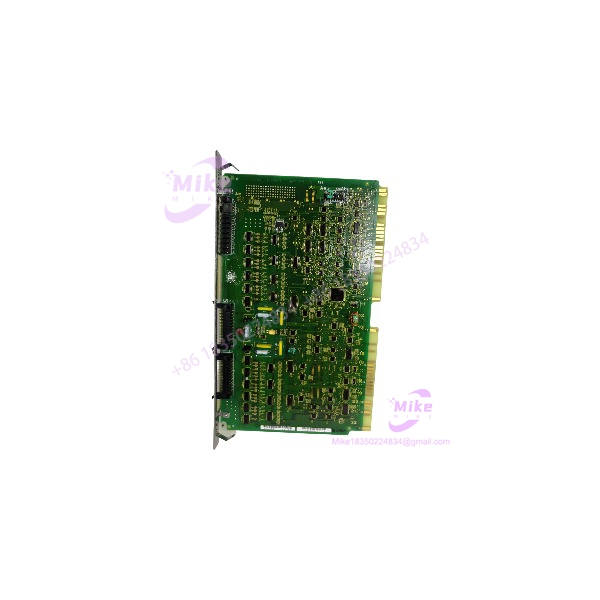
Hitachi LYD105A | Legacy Industrial Control Board
Product Introduction
Legacy Hitachi control boards are not parts to buy by title alone. The Hitachi LYD105A appears in surplus-market listings under several different classifications, including digital output module, digital board, and generic PLC/control module. Some listings publish detailed electrical values, but those values are inconsistent and are not supported by a verified LYD105A OEM datasheet. For a replacement project, the physical part identification and installed system documentation should take precedence over reseller specifications.
For maintenance and procurement teams, LYD105A should be treated as a configuration-dependent legacy spare. Before approving a purchase, match the board against the failed unit, confirm the host control-system family, and establish its actual I/O function and electrical requirements. A matching model number is an important first check—but it does not, by itself, prove that the board is interchangeable with another Hitachi module.
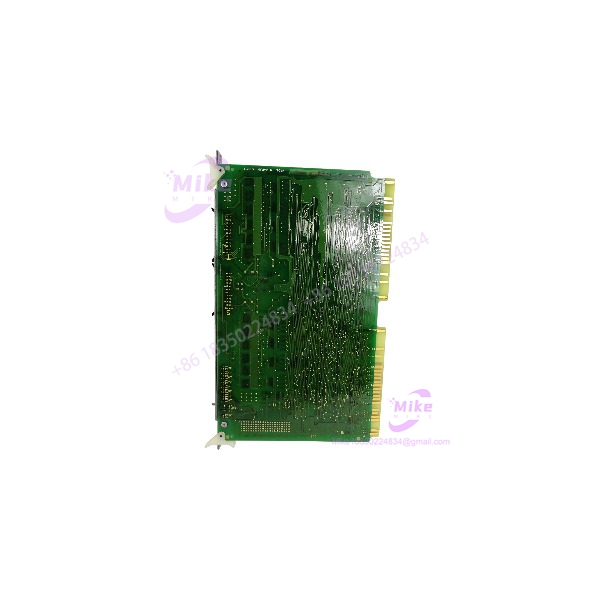
LYD105A
Key Technical Specifications
- Model: LYD105A
- Manufacturer: Hitachi
- Product Category: Legacy industrial automation/control board
- Reported Function: Digital I/O or control board; exact function not confirmed
- Digital Input Channels: Not verified
- Digital Output Channels: Not verified
- Input Signal Range: Not verified
- Output Voltage/Current: Not verified
- Isolation Characteristics: Not verified
- Communication Protocol: Not verified
- Power Requirements: Must be confirmed from the board label and applicable system manual
- Rack/Backplane Compatibility: Not independently established
- Terminal/Connector Arrangement: Verify against the original hardware
- Operating Temperature: No verified model-specific rating available
- Firmware/Configuration Requirements: Not established
- Dimensions and Weight: Confirm from the actual unit or OEM documentation
Specification note: Third-party pages publish conflicting LYD105A classifications and electrical parameters. Do not use reseller-only claims—such as a specific channel count, 24 VDC rating, or output current—as engineering acceptance criteria without confirming the exact hardware revision and Hitachi documentation.
Global Sourcing & Live-Test SOP
For the , incoming inspection must establish the board’s identity and intended application before any energized test.
1. Inbound Verification
- Photograph the complete board, front label, rear side, connectors, and mounting features.
- Confirm the exact model designation.
- Record serial number, revision markings, and secondary assembly/board numbers.
- Inspect the PCB for corrosion, contamination, damaged components, and signs of previous repair.
- Check connector pins, edge contacts, and mounting points for mechanical damage.
- Request the seller’s written condition statement: new surplus, used, refurbished, or tested.
- Obtain return terms and warranty coverage in writing.
- Compare the candidate unit with photographs of the installed or failed board.
2. System Compatibility Review
- Identify the host Hitachi PLC/DCS platform and rack.
- Confirm the board’s actual function using the system manual, bill of materials, or original board documentation.
- Verify rack, slot, backplane, and connector compatibility.
- Confirm the required power supply and field-signal specifications.
- Check hardware revision and any system-specific configuration requirements.
- Do not assume is interchangeable with LYD000A or another LYD-series board based on the shared prefix.
3. Controlled Functional Testing
Testing should be performed only in the correct Hitachi rack or an approved test environment.
- Verify rack power and grounding against the applicable OEM documentation.
- Inspect the board before insertion.
- Confirm module recognition and startup diagnostics.
- Apply only the signal types and electrical levels established by the verified documentation.
- Test the relevant I/O points using an approved procedure.
- Record status indicators, diagnostic codes, and abnormal behavior.
- Do not apply power or field signals based solely on reseller specifications.
4. Extended Run and Diagnostics
Where the correct test environment is available, perform an extended powered test appropriate to the board’s verified function.
Monitor:
- Startup and module-recognition behavior
- Diagnostic/status indicators
- I/O response under documented test conditions
- Intermittent faults or unexpected resets
- Abnormal heating or visible component distress
Record the test rack, slot, board revision, applied signals, test duration, and results. Do not describe the unit as fully tested unless the actual test scope is documented.
5. Final Preparation and Shipment
- Preserve all original identification labels.
- Photograph the final inspected condition.
- Use ESD-safe packaging and connector protection.
- Cushion the board against impact during international transport.
- Include available inspection and test records.
- Identify any included terminal blocks, cables, or mounting hardware separately.
- Do not represent untested surplus stock as refurbished or operationally verified.
Field Engineer’s Pitfall Guide
❗ Do not treat reseller specifications as an OEM datasheet
listings conflict on product function, voltage, channel count, and other parameters. Confirm the exact board against Hitachi documentation before using any published electrical value for wiring or commissioning.
❗ Similar LYD-series part numbers do not establish interchangeability
Do not substitute for LYD000A or another LYD-series component without verifying the actual function, rack interface, and system compatibility. Shared model prefixes are not proof of electrical or mechanical equivalence.
❗ Power-up alone does not prove functional condition
A board that powers up may still have failed I/O channels, communication faults, or configuration incompatibility. Require a documented test using the correct system environment when the board is intended for production-critical service.
Intent-Driven FAQ
What is the Hitachi ?
The is marketed as a legacy Hitachi industrial control-system board/module. Surplus suppliers classify it differently, so its exact function should be confirmed from the physical unit and applicable Hitachi documentation.
Is the a digital output module?
Some suppliers describe it as a digital output module, while others use broader control-board or PLC-module classifications. The exact function has not been independently verified through a model-specific OEM datasheet.
Does the operate at 24 VDC?
A reliable, model-specific OEM voltage rating has not been established. Verify the board label, wiring diagram, and system manual before applying power or connecting field wiring.
How many I/O channels does the support?
The exact channel count is not confirmed. Do not rely on reseller channel-count claims without matching them to the board revision and OEM documentation.
Can the be hot-swapped?
Do not assume hot-swap capability. Follow the applicable Hitachi system manual and site maintenance procedure. Unless the OEM documentation explicitly authorizes live removal or insertion, treat replacement as a power-down maintenance operation.
Is the Hitachi obsolete?
The part is offered through legacy and surplus automation channels. Its current OEM lifecycle status and support availability have not been independently verified. Confirm availability and support directly with the manufacturer or an authorized source where possible.
What should buyers verify before ordering?
Request clear nameplate and connector photos, serial and revision details, the seller’s condition statement, and any available test report. Confirm the board’s exact function, electrical requirements, rack compatibility, and configuration requirements against the installed system before approving the purchase.
Bottom Line for Buyers
The is a legacy industrial control board with inconsistent third-party technical descriptions. Its exact function, electrical ratings, I/O capacity, and system compatibility should be treated as unverified until matched against the physical hardware and applicable Hitachi documentation.
For procurement, specify the complete model number, request detailed board and connector photographs, and confirm the intended application before purchase. For a production-critical replacement, prioritize verified compatibility and documented functional testing over a reseller’s generic product title.





