


Description
GE / Foxboro 58631-TB900576 | Industrial PC Card Core Category
Dynamic Product Introduction
Maintaining continuous operation across complex industrial process control loops requires dependable hardware designed to handle heavy industrial stress without data degradation. The GE / Foxboro 58631-TB900576 operates as a precision industrial PC card engineered to integrate smoothly into established control architectures, ensuring steady communication and loop reliability. Unlike generic commercial components that falter under heavy electromagnetic interference and wide temperature swings, this industrial node is built with rugged internal filtering and robust channel isolation.
Moving beyond obsolete hardware revisions, this specific unit maintains exact form-fit compatibility while delivering dependable execution for plant control schemes. Field maintenance data confirms that replacing degraded legacy nodes with verified surplus or refurbished units restores system stability and eliminates intermittent communication faults.
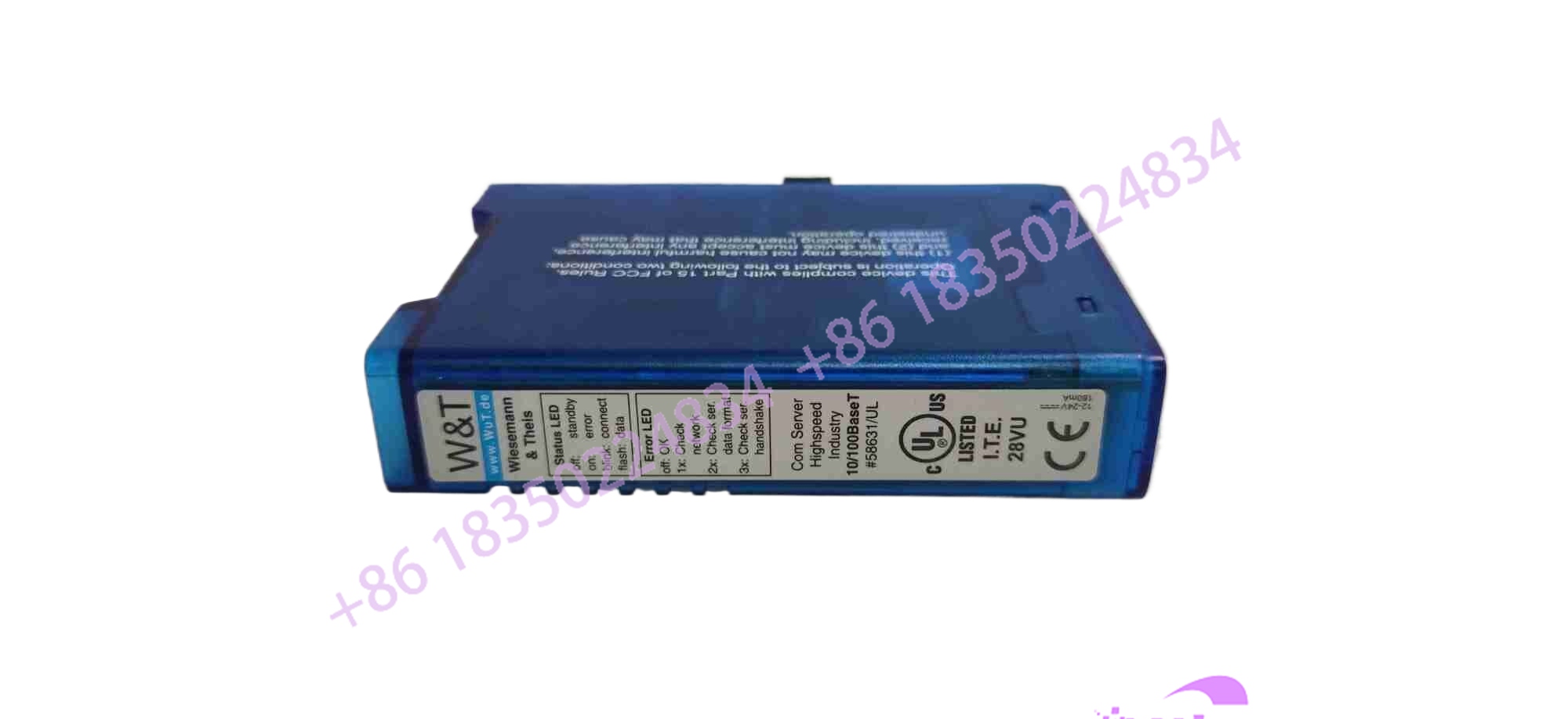
58631TB900576
Key Technical Specifications
- Module Architecture: Specialized industrial control, processing, and interface circuitry
- System Compatibility: Foxboro Evo and related distributed control system (DCS) architectures
- Input/Voltage Rating: Standard industrial low-voltage DC auxiliary power
- Operating Temperature Range: -20^\circC to +70^\circC industrial ambient tolerance
- Mounting Configuration: Modular panel, rack-mounting, or internal slot-profile
- Enclosure Type: Heavy-duty industrial card housing with secure backplane or terminal connections
- Diagnostics: Status indicator LEDs for operational health checks and network status
- Weight: ~0.5 to 1.5 kg (estimated standard industrial module scale)
Global Sourcing & Live-Test SOP (Transparency Core)
Deploying replacement automation hardware on active industrial processes requires an uncompromising bench verification protocol to ensure zero infant mortality.
- Inbound Verification: Incoming modules are audited against official OEM manufacturing lots. Terminal blocks, housing pins, and circuit board traces are inspected under optical magnification for micro-corrosion, dust accumulation, or thermal wear.
- Live Simulation: The unit is mounted onto an appropriate test rack powered by a regulated industrial DC source, tied to simulated input loops and signal generators.
- Diagnostics: Technicians verify operational integrity, monitor channel response stability, and execute a 24-hour thermal soak cycle under continuous power to screen out latent semiconductor fatigue.
- Final Prep: Once functional logs pass factory baselines, terminal connectors are cleaned, and the module is sealed inside an ESD-safe moisture-barrier bag.
The Field Engineer’s Pitfall Guide
❗ Hot-Plugging Cards Under Power: Unsealing or swapping circuit boards while the rack auxiliary power feed is active can generate destructive electrical arcs that pit connector pins and damage internal transceiver chips. (I’ve seen plants blow sensitive input stages simply because a technician skipped powering down the rack.) Always drop power before extracting cards.
❗ Unshielded Signal Cabling: Running low-level control or sensor loops parallel to high-voltage motor feeds without continuous shielded twisted-pair grounding introduces severe electrical noise, causing erratic data transmission. Always terminate shields strictly at the designated cabinet ground stud.
❗ Ignoring Auxiliary Power Ripple: Supplying this controller or module from an unconditioned battery charger bus carrying excessive high-frequency ripple voltages will destabilize internal logic power rails, leading to random reboots. Always verify DC bus cleanliness with a True-RMS meter prior to landing power lines.
Intent-Driven FAQ
Will swapping this 58631-TB900576 module require reprogramming system logic?
Depending on whether the unit stores specific configuration parameters or relies strictly on rack-level master instructions, configuration files may need to be verified or reloaded via the host control system upon installation.
Can this module be hot-swapped while the industrial process is running?
Because interrupting power or communication on active control loops can trigger unexpected system trips or safety interlocks, it is always safest to bring the specific loop to a safe state and de-energize local power before servicing.
What causes the module to exhibit intermittent operational faults?
Intermittent behavior typically points to loose backplane seating, degraded field wiring insulation, or an unstable power supply voltage rail. Checking card seating and verifying bus voltage stability usually isolates the root cause.
Is the 58631-TB900576 compatible with modern distributed control networks?
This specific model is engineered primarily for integration within established GE/Foxboro control ecosystems. Interfacing with modern third-party networks generally requires dedicated gateway hardware.
What kind of warranty accompanies surplus or refurbished units?
Reputable industrial suppliers typically back tested surplus or refurbished automation components with a standard 1-to-2 year replacement warranty, supported by an independent bench test report confirming hardware health.





