

Description
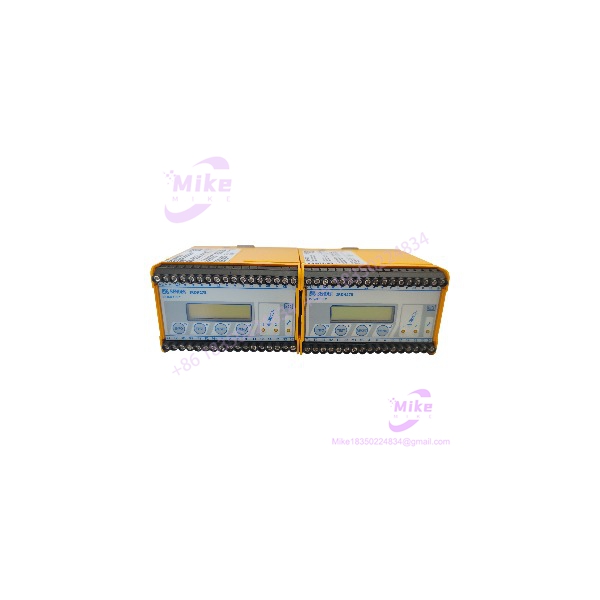
Bender IRDH275B-435 | ISOMETER Insulation Monitor
Product Introduction
An insulation fault in an unearthed power system needs to be identified before it develops into a more serious operational problem. The Bender IRDH275B-435 ISOMETER continuously monitors insulation resistance and provides alarm functions when the measured value crosses configured response thresholds.
The IRDH275B-435 (B91065101) is the BMS-equipped version of the IRDH275 family. Compared with the standard IRDH275-435, it adds a BMS interface, real-time clock/history memory, and a selectable 0–20 mA or 4–20 mA analog output. It supports unearthed systems up to 793 VAC or 650 VDC, with an auxiliary supply range of 88–264 VAC or 77–286 VDC. Confirm the installed device’s complete model and wiring before ordering a replacement.
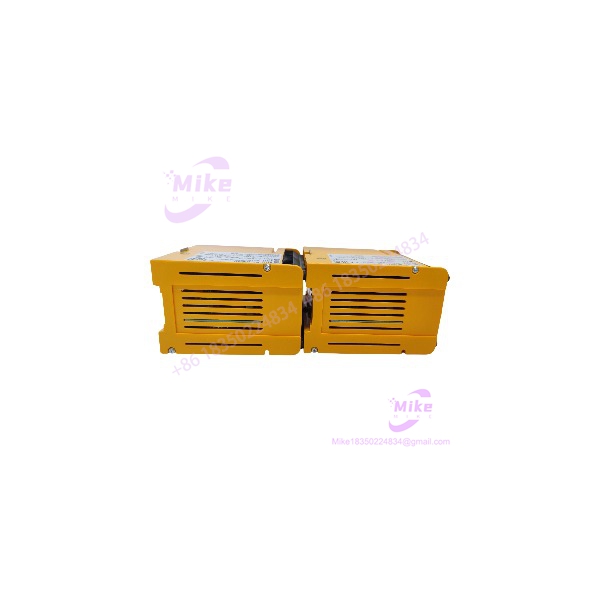
IRDH275B-435
Key Technical Specifications
- Manufacturer: Bender
- Model: IRDH275B-435
- Article Number: B91065101
- Product Series: ISOMETER IRDH275B
- Device Function: Insulation resistance monitoring
- Monitored AC System Voltage: 0–793 VAC, 1-phase or 3-phase AC
- Monitored DC System Voltage: 0–650 VDC
- Auxiliary Supply (AC): 88–264 VAC
- Auxiliary Supply (DC): 77–286 VDC
- Auxiliary Supply Frequency: 42–460 Hz
- Power Consumption: ≤14 VA
- Response Value Range: 1 kΩ–10 MΩ
- Alarm Thresholds: Two independently adjustable response values
- Analog Output: Selectable 0–20 mA or 4–20 mA
- Communication Interface: BMS
- Memory: Real-time clock and history memory
- Measuring Voltage: ±50 V peak
- Maximum System Leakage Capacitance: 500 μF
- Relay Outputs: Two SPDT changeover contacts
- Mounting: DIN rail or screw mounting
- Protection Rating: IP30 enclosure / IP20 terminals
Specifications are based on Bender’s IRDH275/IRDH275B documentation. Confirm the unit’s nameplate and revision before using these values as commissioning criteria.
Global Sourcing & Live-Test SOP
For insulation-monitoring equipment, visual inspection is not a substitute for functional verification. The BMS interface and analog output should be checked against the intended control-system integration.
Inbound Verification
- Confirm the complete IRDH275B-435 model marking.
- Verify OEM article number B91065101, where present.
- Photograph the nameplate, front panel, terminals, and housing.
- Inspect display, keys, terminal blocks, and mounting features for damage.
- Record serial number and hardware revision where available.
Authenticity and Configuration Review
- Compare the nameplate and article number with Bender documentation.
- Verify the auxiliary supply range before applying power.
- Confirm the monitored system type and voltage limits.
- Identify the selected analog output mode: 0–20 mA or 4–20 mA.
- Verify BMS wiring and system settings against the intended installation.
Functional Validation
- Energize only with a verified compatible auxiliary supply.
- Check startup, display operation, and available self-test functions.
- Test insulation-monitoring response using a controlled, appropriate test setup.
- Verify alarm relay operation.
- Test the analog output in its configured mode.
- Verify BMS communication when suitable test equipment and configuration are available.
- Record test setup, settings, measured response, and results.
- Do not claim calibration or functional testing unless actually performed and documented.
ESD Protection and Shipment
- Protect the device from impact, moisture, and contamination.
- Secure terminal areas and mounting hardware.
- Use protective packaging suitable for electronic instrumentation.
- Include only accessories explicitly identified in the sale.
Field Engineer’s Pitfall Guide
- ❗ Do not confuse the IRDH275B-435 with the standard IRDH275-435. The B version provides a BMS interface, history memory, and selectable 0–20 mA / 4–20 mA output. The standard version uses a 0–400 μA output. Match the installed interface requirements before substitution.
- ❗ Verify the auxiliary supply separately from the monitored system voltage. The -435 auxiliary supply is 88–264 VAC or 77–286 VDC. This is distinct from the monitored system rating of up to 793 VAC or 650 VDC.
- ❗ Check the analog output mode and BMS configuration. A replacement may require specific output scaling, wiring, and communication settings. Do not assume the stored configuration matches the original installation.
Intent-Driven FAQ
What isder used for?
It continuously monitors insulation resistance in unearthed AC and DC systems and provides alarms when configured response thresholds are crossed.
What is the OEM article number?
The documented articlefor is B91065101.
What supply voltathe require?
Its auxiliary supply is 88–264 VAC or 77–286 VDC. Confirm the nameplate before applying power.
What is the difference between IRDHand ?
The B version adds a BMS interface and real-time clock/history memory, and it provides a selectable 0–20 mA or 4–20 mA analog output. The standard IRDH275-435 uses a 0–400 μA output.
the monitor both AC and DC systems?
Yes. The documented nominal monitored range is 0–793 VAC or 0–650 VDC for supported unearthed systems.
the hot-swappable?
Do not assume hot-swap capability. Follow site electrical-safety procedures and Bender’s installation instructions.
What should I verify before buyinlus ?
Confirm the complete model and article number, auxiliary supply range, analog output mode, BMS requirements, terminal condition, and documented test status. Verify warranty and included accessories with the seller.
Procurement Note
This listing describes theted , article B91065101. It does not imply that a specific surplus unit has been tested, calibrated, or supplied with a warranty. Confirm physical condition, included accessories, and test status before publishing.





