


Description
Triconex SIS CM01 Module | Factory Sealed & Verified Inventory
Dynamic Product Introduction
Securing continuous hydrocarbon extraction processes demands absolute hardware reliability, especially when legacy safety controllers approach end-of-life windows. Deploying a genuine, verified Triconex CM01 module into an operational chassis eliminates single-point vulnerability loops without forcing a disruptive total system rip-and-replace.
Unlike conventional dual-redundant setups, this specific architecture relies on triple-modular execution channels to achieve zero-fault-tolerance latency. Integrating a fresh CM01 hardware node instantly boosts diagnostic self-test coverage while preserving native compatibility with existing Triconex backplane configurations and engineering software toolchains.
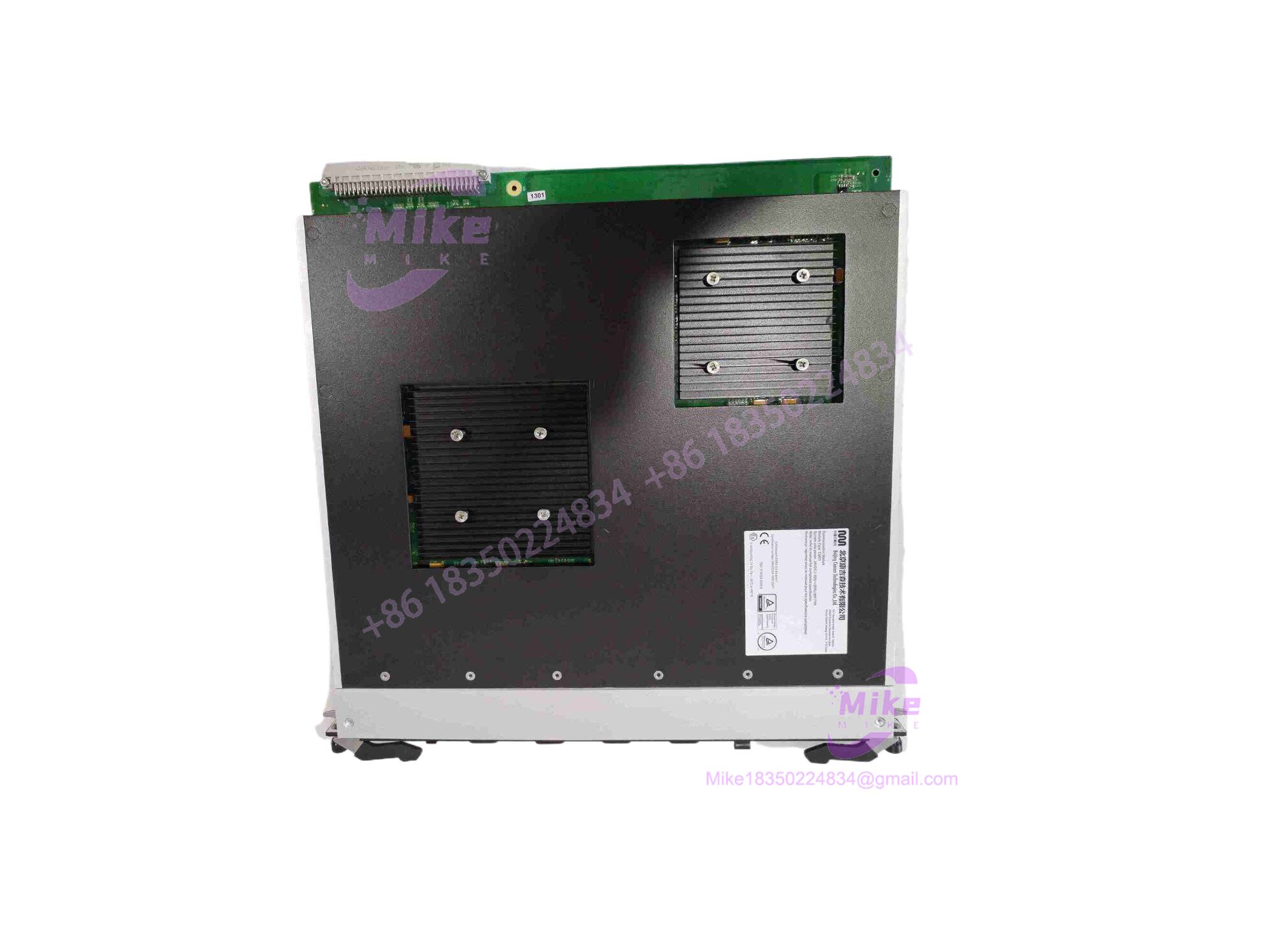
CM01
Key Technical Specifications
| Core Parameter | Technical Specification |
| Product Model | CM01 SIS Module |
| Manufacturer | Triconex (Schneider Electric) |
| Safety Integrity Level | SIL 3 (IEC 61508) TÜV Certified |
| Architecture | Triple Modular Redundant (TMR) Core |
| Execution Speed | Sub-millisecond deterministic safety scan |
| Diagnostic Coverage | Continuous background self-testing (>99%) |
| Backplane Interface | Triplicated internal safety bus connector |
| Operating Environment | 0°C to +60°C, up to 95% non-condensing humidity |
| Power Supply | Backplane-derived 24V DC / dual rail distribution |
| Compliance Standards | CE, UL, CSA, hazardous location Class I, Div 2 |
Global Sourcing & Live-Test SOP (Transparency Core)
Sourcing legacy or surplus safety hardware requires a meticulous verification chain to guarantee performance inside high-consequence industrial plants.
- Inbound Verification: Every incoming CM01 piece undergoes optical microscopic inspection of gold-plated pin arrays alongside laser-etched anti-counterfeit serial number tracing against official OEM distribution records.
- Live Simulation: Technicians mount the unit onto an active, powered Triconex testing backplane rack to verify physical chassis seating and inter-channel clock synchronization.
- Diagnostics: Engineers execute full communication handshakes, testing bus-level data integrity and running a 24-hour thermal heat run chamber cycle to isolate latent component drift.
- Final Prep: Hardware is logged by firmware revision, packed in anti-static conductive shielding, and vacuum-sealed with humidity indicator cards.
The Field Engineer’s Pitfall Guide
❗ Firmware Revision Mismatches: Sliding a newly sourced CM01 with an advanced firmware iteration onto a legacy chassis can cause immediate safety bus communication faults. I’ve seen plant turnarounds delayed by an entire shift because the master controller rejected the mismatched node version.
❗ Backplane Slot Keying Blindness: Forcing the module into an incorrect chassis slot by ignoring physical key constraints will damage backplane pins. Always verify slot assignments on your system layout drawing before alignment.
❗ Communication Gateway Address Conflicts: Overlooking hardware switch settings or network identifiers during a swap will isolate the replacement node from peer-to-peer data sharing. Always double-check node IDs against the running project backup before pushing logic.
Intent-Driven FAQ
Can I hot-swap this module without tripping the plant?
Yes, provided the chassis architecture and system configuration support active online replacement for that specific slot, and your plant permits live maintenance under strict safety management oversight.
Are these units original factory sealed or refurbished surplus?
Inventory availability spans both factory-sealed original stock and fully tested surplus units. Every single unit undergoes rigorous environmental stress testing and functional verification before dispatch.
Will swapping the require a complete project recompilation?
Not necessarily, if the hardware revision and configuration parameters match your active software container. However, always verify checksum values in your development workspace prior to installation.
What is the typical Mean Time Between Failures for this hardware?
The TMR design structure yields an exceptionally high MTBF, bolstered by continuous background self-diagnostics that track internal register states and communication lanes every cycle.
What warranty coverage applies to replacement modules?
All supplied hardware includes a comprehensive 1-year operational warranty covering component integrity, diagnostic stability, and communications port functionality.
What specific software version or configuration workspace are you using to manage your Triconex safety loops?





