

Description
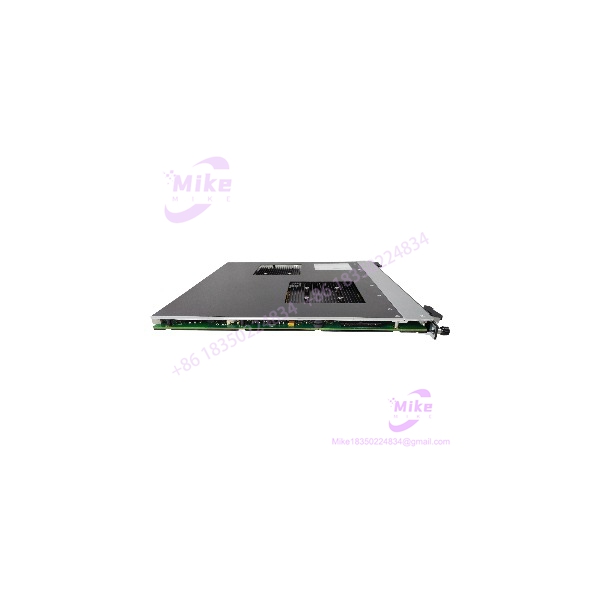
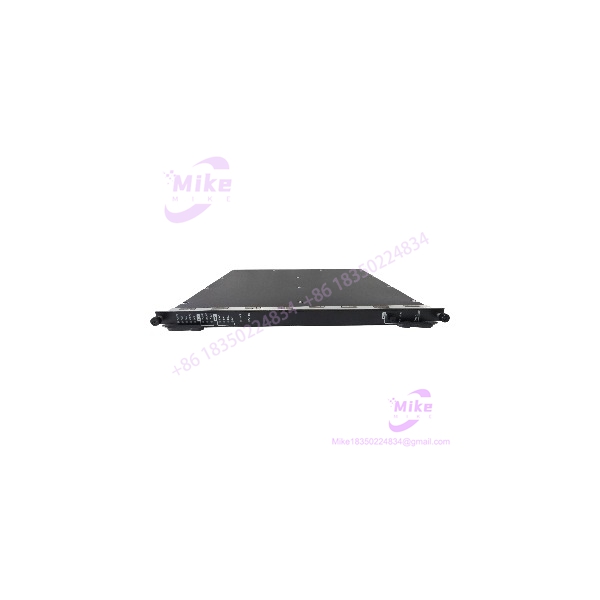
SIS PM01 | Safety Instrumented System Power Processor Module
Product Introduction
When a critical chemical reactor or high-pressure steam line approaches thermal runaway, standard control logic cannot be left to chance. The SIS PM01 is not just an ordinary power card or standard processor; it is an integrated safety instrumented system module engineered specifically to keep high-risk process loops alive during severe electrical brownouts and system transients. Bypassing safety trip logic during maintenance usually creates massive compliance risks—the PM01 avoids this by providing continuous internal health checks and isolated power conversion directly across the rack backplane.
Designing reliable safety instrumented loops requires hardware that executes deterministic fault management without hesitation. The SIS PM01 module integrates advanced dual-channel execution paths to continuously verify logic processing against incoming field sensor power levels. Operating flawlessly across severe ambient temperature swings, it prevents false nuisance trips while ensuring absolute emergency shutdown capability—though you should always verify backplane bus termination settings during rack installation to prevent communication timeouts.
PM01
Key Technical Specifications
- Operating Input Voltage: 24 VDC nominal (tolerates 18 to 32 VDC operational range)
- Power Consumption: 15 W typical under full diagnostic load
- Safety Integrity Level: IEC 61508 / IEC 61511 SIL 3 certified architecture
- Internal Logic Processor: Dual-core architecture dedicated to safety logic execution
- System Memory: Integrated non-volatile flash memory for trip logic and fault log storage
- Backplane Communication: High-speed proprietary redundant safety bus interface
- Diagnostic Coverage: Continuous background diagnostic coverage exceeding 99%
- Isolation Rating: 1500 VAC optical and galvanic isolation between power and logic circuits
- Operating Temperature Range: -40°C to +70°C (-40°F to +158°F)
- Humidity Range: 5% to 95% relative humidity (non-condensing)
- Mounting Format: High-density rack backplane slot-mount form factor
- Enclosure Construction: Heavy-duty metal shielded housing against harsh industrial EMI
Application Scenarios & Pain Points
An ethylene cracker unit in Louisiana repeatedly experienced uncommanded emergency shutdowns caused by micro-voltage sags on the main control rack. The engineering team replaced their failing legacy power processors with the SIS PM01, utilizing its wide DC input hold-up capacity to absorb voltage spikes. The swap completely eliminated spurious process trips, saving an estimated $180,000 in lost daily production yield.
With vs. Without High-Availability Safety Modules:
- Without the SIS PM01: Standard PLC power processors lack real-time internal diagnostic cross-checking, leaving safety loops vulnerable to unannounced hardware failures or false trips triggered by minor power supply noise.
- With the SIS PM01: Dual-core execution logic and active health monitoring ensure that true fault conditions trigger immediate safety responses, while transient electrical noise is filtered out before it causes a costly shutdown.
Offshore Oil & Gas Production Skids:
- Condition: Highly corrosive salt spray and extreme ambient vibration near turbine-driven compressor sets.
- Impact: Standard control hardware develops trace shorts, leading to false emergency shutdown signals and offshore platform downtime.
- Solution: The conformal-coated cabinet enclosure housing the SIS PM01 delivers SIL 3 safety execution without degrading under high-vibration skids.
QA & Live Testing SOP (Trust Signal)
Every single SIS PM01 module passing through our facility goes through an unyielding testing protocol before shipment. We start by removing factory protection to inspect backplane pins, trace paths, and casing welds for physical deformation or thermal stress. Next, the unit is mounted in a powered test rack connected to a variable DC power bench—we monitor power draw and voltage regulation using a calibrated Fluke digital multimeter to ensure internal power conversion rails are spot on.
Following physical verification, we establish a live communication handshake with our safety system test bed. We run a continuous 48-hour burn-in cycle, injecting high-frequency ripple voltage and simulated fault conditions to test the module’s safety trip execution speed and error logging accuracy. Once the unit passes all diagnostic thresholds with zero dropped frames, we reset its flash memory, apply static-protective caps to the rear pins, and seal the module inside heavy ESD-shielded packaging with custom foam cushioning.
Field Engineer’s Pitfall Guide
❗ GOTCHA #1: Sub-Rack Power Bus Balance
Do not install the SIS PM01 into a rack slot without verifying the total current draw of adjacent I/O modules. If your backplane total load exceeds the supply threshold, the module will enter a low-voltage fault state, forcing the entire safety rack into a safe-state trip condition.
❗ GOTCHA #2: Safety Parameter Logic Mismatches
When replacing an existing unit with a replacement SIS PM01, never assume the onboard safety parameters match your previous module’s software build. Safety instrumented systems strictly lock execution if checksum mismatches are detected between the module firmware and the master safety controller. Always perform a logic verification upload before placing the loop in automatic mode.
❗ GOTCHA #3: Hot-Swapping Safety Bus Cards
Even though the hardware supports hot-swapping under powered conditions, pulling the SIS PM01 while the active safety loop is armed will trigger an immediate upstream system trip. Ensure the safety loop is bypassed in accordance with facility safety procedures before removing the card from the active slot.
Intent-Driven FAQ
Can the SIS PM01 be used in SIL 3 safety applications without redundant pairing?
Yes. The module is architected with dual internal execution channels and high diagnostic coverage, allowing it to meet SIL 3 requirements as a standalone module within certified safety instrumented system racks.
What happens to the safety outputs if the SIS PM01 loses main power input?
In the event of complete input power loss exceeding the hold-up capacitor threshold, the module fails to a de-energized state. This design forces all downstream safety loops into their predefined fail-safe position (typically opening or closing critical emergency shutdown valves).
How do I clear a hard diagnostic fault on the SIS PM01?
A hard fault indicates an internal self-test failure or backplane communication error. To reset it, you must clear the fault condition at the field level,cycle 24 VDC power to the module, and perform a software reset/handshake via the system’s engineering workstation.
Is the SIS PM01 backward compatible with older sub-rack revisions?
Generally yes, provided the backplane power rail pinouts match the standard slot configuration. However, you must verify that your system chassis supports the firmware revision running on the SIS PM01 module to ensure seamless diagnostic reporting.
Does the module require active external fan cooling inside the cabinet?
The module is designed for passive convection cooling within standard ambient operating ranges (-40°C to +70°C). However, if installed inside sealed IP65 cabinets with high-density I/O, forced air circulation or cabinet cooling is strongly recommended to prolong internal electrolytic capacitor life.





