


Description
Yokogawa ASI133-H00/SA3S0 | Centum VP I/O Communication Module
Product Introduction
When a continuous chemical distillation column starts dropping node communications, plant engineers cannot afford to guess at hardware integrity. The Yokogawa ASI133-H00/SA3S0 is not a commercial off-the-shelf network switch; it is a heavy-duty, mission-critical bus interface module engineered explicitly for Yokogawa CENTUM distributed control environments. It slots directly into native node racks to maintain uninterrupted data flow between field control units and operator stations.
Handling dual-redundant communication links with strict deterministic timing, this module ensures zero-loss packet exchange across demanding process control loops—though your exact network recovery time may vary depending on bus load and switchover configuration settings. It serves as an exact-match drop-in replacement to keep vintage process infrastructure operating without a costly system-wide rip-and-replace.
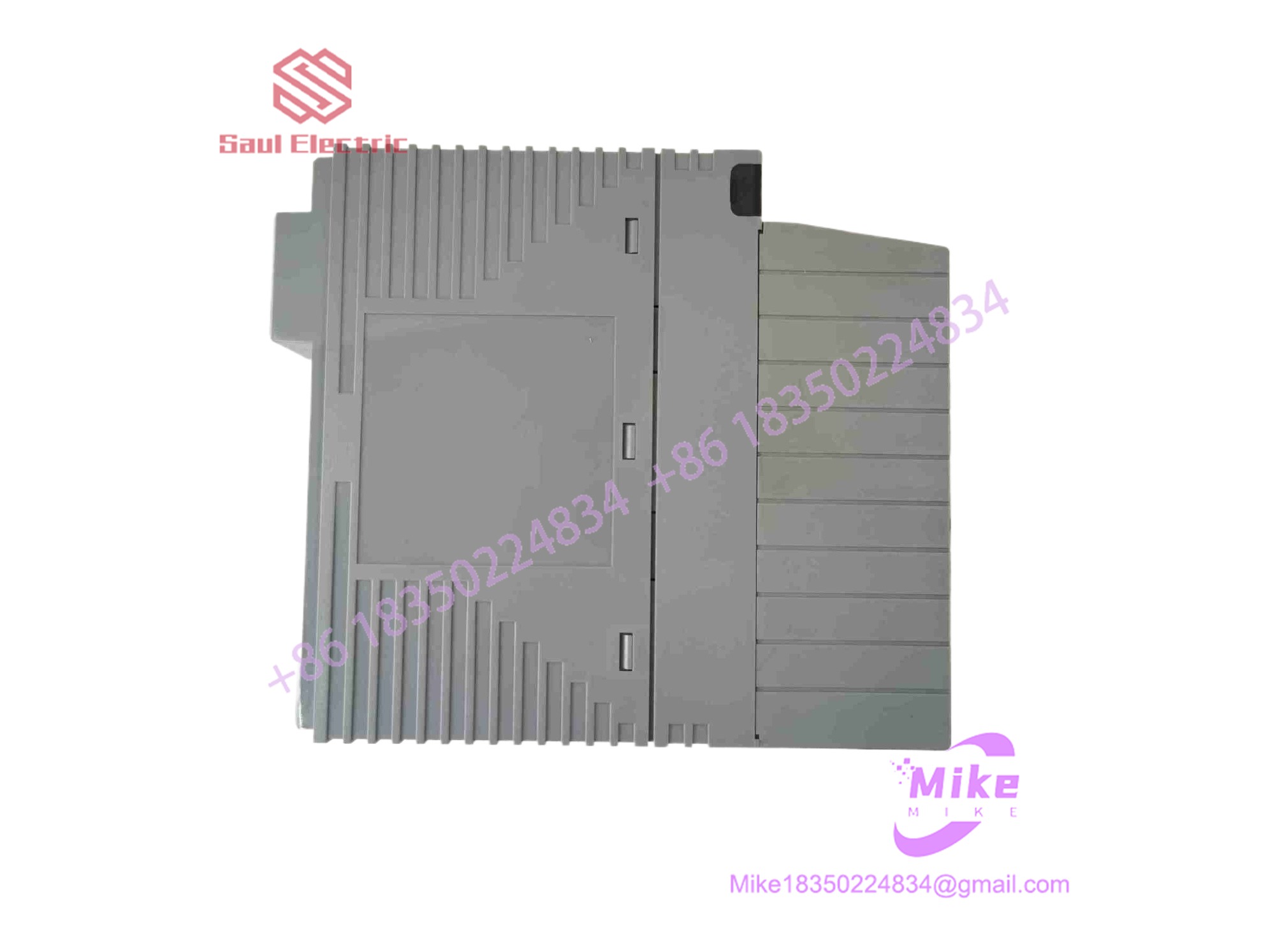
ASI133-H00/SA3S0
Key Technical Specifications
| Parameter | Specification Metric |
| Module Type | Bus Interface / Communication Processor |
| System Compatibility | Yokogawa CENTUM VP / ProSafe-RS series |
| Communication Architecture | Dual-redundant ESB bus / optical link support |
| Power Consumption | +5VDC internal rack supply (~1.5A typical) |
| Diagnostic Indicators | Front-panel status LEDs (HRDY, RDY, LNK) |
| Physical Dimensions | Standard Yokogawa node slot footprint (~1.2 kg) |
| Operating Temperature | 0°C to 50°C standard industrial cabinet tolerance |
Application Scenarios & Pain Points
- Refinery Hydrotreater Nodes: A coastal oil refinery experienced intermittent bus fault alarms on their primary control node due to aging transceiver chips; dropping in a verified surplus ASI133-H00/SA3S0 restored redundant communication stability instantly.
- Continuous Pharmaceutical Fermentation: Batch integrity relies on flawless data polling between controllers and I/O files. This module’s deterministic handshaking prevents dropped telemetry packets that could otherwise trigger unnecessary safety shutdowns.
- Power Generation Boiler Controls: High-EMI environments near large steam turbine generators require robust optical and electrical signal isolation, which this card’s internal shielding architecture provides natively.
QA & Live Testing SOP (Trust Signal)
We treat high-end DCS hardware with rigorous engineering scrutiny. Before an ASI133-H00/SA3S0 leaves our facility, it undergoes an uncompromising validation protocol:
- Visual & Optical Inspection: Verified OEM holographic seals, edge-connector gold plating integrity, and zero signs of surface-mount capacitor degradation or trace micro-cracks.
- Dynamic Live-Rack Execution: Powered on a dedicated Yokogawa test node rack, subjected to full bus initialization, self-diagnostic boot sequences, and sustained ping-response trials.
- Redundancy Switchover Testing: We actively drop primary communication channels to verify seamless failover performance to the secondary redundant bus architecture.
- ESD Packaging: Sealed inside multi-layer anti-static shielding bags with desiccant protection prior to heavy-duty foam box staging.
Field Engineer’s Pitfall Guide
- ❗ Firmware Revision Matching: Do not assume a direct drop-in will work without checking internal node firmware revisions. Mismatched executive software versions between the module and the node processor can trigger permanent watchdog trips.
- ❗ Hot-Insertion Risks: Never attempt to hot-swap this communication module into an energized cabinet unless the specific node architecture explicitly supports online maintenance mode for bus interfaces.
- ❗ Optical Connector Cleanliness: If your variant utilizes fiber-optic links, inspect and clean the LC/SC ferrules with optical grade wipes before connection; microscopic dust particles will attenuate the signal and cause high error rates.
Intent-Driven FAQ
Can I use this module in both Centum VP and older Centum CS systems?
Compatibility depends heavily on the specific suffix code and node generation. The ASI133-H00/SA3S0 is tailored for specific Yokogawa architecture revisions; always cross-reference your system hardware manual before installation.
Is this unit an original Yokogawa part or a repaired aftermarket clone?
This is a genuine OEM Yokogawa Electric module, sourced from verified industrial surplus and fully tested on live test benches to guarantee register-level authenticity.
What do the primary diagnostic LEDs indicate on the front bezel?
The status LEDs provide real-time feedback on hardware readiness (RDY), hardware watchdog health (HRDY), and communication link status (LNK), allowing rapid visual troubleshooting during cabinet audits.
Does this module support redundant bus configurations?
Yes. The hardware architecture is built to support dual-redundant network topologies, ensuring continuous process control even if a primary cable path experiences a fault.





