


Description
Yokogawa AIP830 | ESB Bus Repeater Module
Dynamic Project Introduction
Distributed control systems often span large industrial footprints, requiring control units to communicate reliably with remote I/O node cages located hundreds of meters away. The Yokogawa AIP830 serves as an essential ESB (Extended Serial Backplane) bus repeater module within the CENTUM architecture, bridging communication lines between master control units and remote node racks.
When maintaining or expanding legacy Yokogawa control infrastructure, replacing failing communication hardware with an exact-match AIP830 module is vital to restoring signal integrity, preventing I/O timeout errors, and maintaining uninterrupted plant data flow.
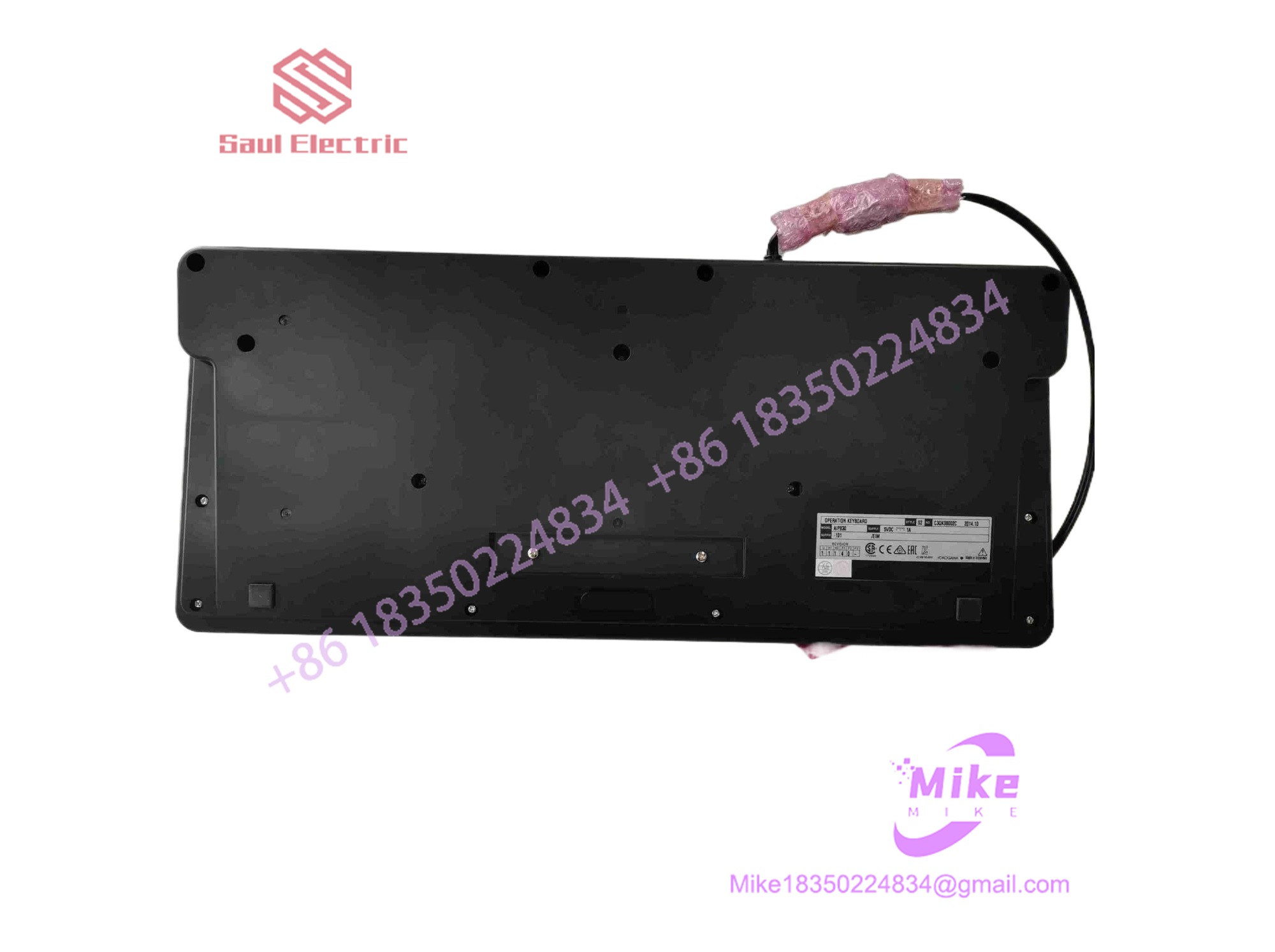
AIP830
Key Technical Specifications
| Parameter | Specification Detail |
| Primary Architecture | ESB Bus Repeater / Extended Backplane Communication Module |
| System Compatibility | Yokogawa CENTUM CS, CENTUM VP, and compatible FIO node architectures |
| Transmission Range | Extends local node communication limits over extended ESB cabling loops |
| Redundancy Support | Compatible with dual-redundant bus and power configurations |
| Mounting & Form Factor | Plug-in communication module for standard Yokogawa node base units |
| Operating Environment | Designed for harsh industrial control room and cabinet conditions |
Global Sourcing & Live-Test SOP
Sourcing discontinued or legacy DCS bus repeater hardware requires rigorous multi-point bench testing to guarantee transceiver health and data packet stability:
- Inbound Verification: Part numbers, revision codes, and manufacturer stamps are audited against official Yokogawa production databases.
- Visual Audit: Printed circuit boards, edge connectors, and backplane interface ports are inspected under magnification for physical wear, corrosion, or pin distortion.
- Live Bench Simulation: Units are docked onto an active CENTUM test backplane to verify node recognition, power rail stability, and internal handshake responsiveness across the extended bus simulation loop.
- Diagnostics & Prep: Communication links are stress-tested to confirm zero packet loss and error-free backplane data exchange. Approved units are anti-static bagged, foam-cushioned, and sealed in heavy-duty moisture-barrier packaging.
The Field Engineer’s Pitfall Guide
❗ Bus Termination Errors: Failing to install or properly configure terminating resistors on the ESB communication loop when deploying repeater modules will result in signal reflections and frequent node communication dropouts.
❗ Hot-Plug Power Risks: Inserting or extracting communication modules into an active, powered node rack without following approved system maintenance procedures risks generating transient voltage spikes that can damage backplane transceivers.
❗ Cabling Distance Limits: Exceeding standard manufacturing distance specifications for the ESB cable run without utilizing appropriate optical conversion or secondary repeater hardware will cause intermittent link failures.
Intent-Driven FAQ
What systems use the Yokogawa AIP830 module?
The AIP830 is engineered for deployment within Yokogawa CENTUM CS and CENTUM VP Distributed Control System (DCS) architectures utilizing Extended Serial Backplane (ESB) bus networks.
What is the primary function of the AIP830?
It functions as an ESB bus repeater, allowing control units to communicate reliably and extend data transmission distances to remote I/O node cages across the plant floor.
Does the module support redundant bus configurations?
Yes. The supports dual-redundant communication setups to maintain high availability in critical distributed control loops where communication loss is unacceptable.
What causes a “Node I/O Communication Error”?
Errors typically stem from damaged ESB physical cables, improper bus termination, failing repeater modules, or unverified hardware replacements on the communication ring.
What warranty covers surplus units?
Every unit delivered from our inventory is backed by a comprehensive 12-month operational warranty covering transceiver health, internal bus communication, and power regulation stability.





